
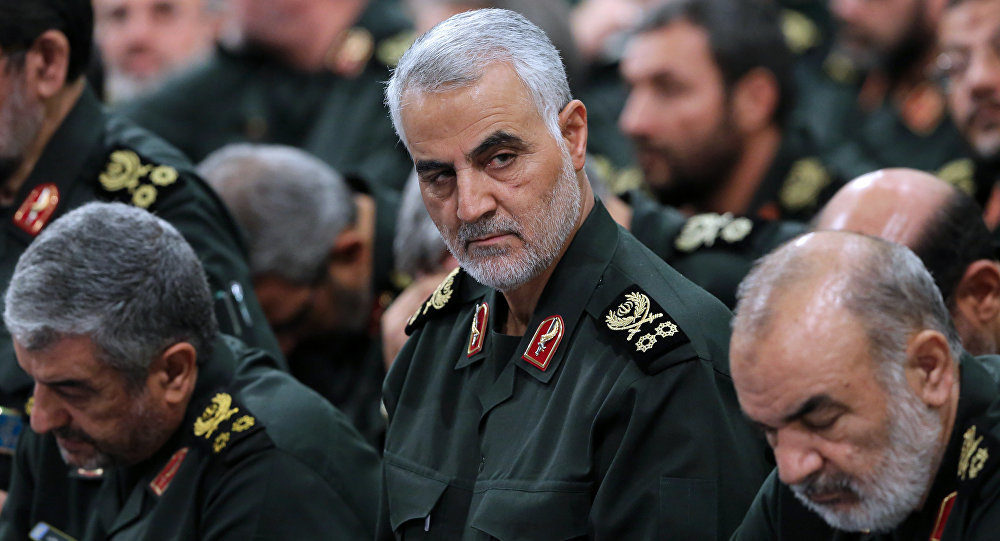
© AFP 2019 / HO / KHAMENEI.IR
The latest volley in a stream of rhetoric from Iranian officials came from General Yahya Rahim-Safavi, a senior adviser to Iran's supreme leader, as President Hassan Rouhani prepared to leave for the United Nations General Assembly in New York next week.
Both sides have said they wish to avoid a full-out war over the fraught situation in the Gulf region but have adopted tough postures. The United States has been trying to create an international maritime security alliance since attacks on oil tankers in the Gulf.
Comment: Which means that for now, the resistance axis (Iran, Hezbollah, the Houthis, Iraqi PMU, etc.) have the upper hand. The Houthis are already engaged in a war with Saudi Arabia - with the tacit and somewhat operational support of Iran and her allies. Since neither Iran nor her enemies want an even larger war, the rag-tag Houthis are relatively free to retaliate against their Saudi aggressors. Iran will get the blame, but how much is Saudi Arabia willing to bleed before it does something stupid or simply calls it quits in Yemen?
The Iran-aligned Houthi movement, which is battling a Saudi-led military coalition in Yemen, claimed responsibility for the assault on two Saudi oil plants on Sept. 14, including the world's largest processing facility.

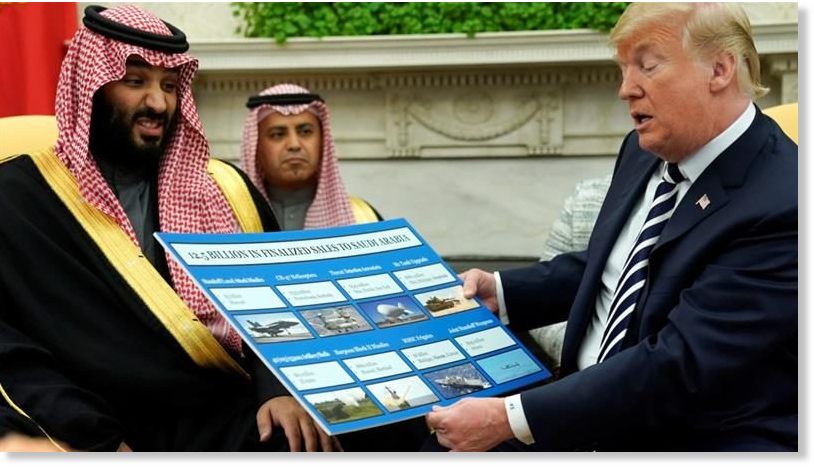

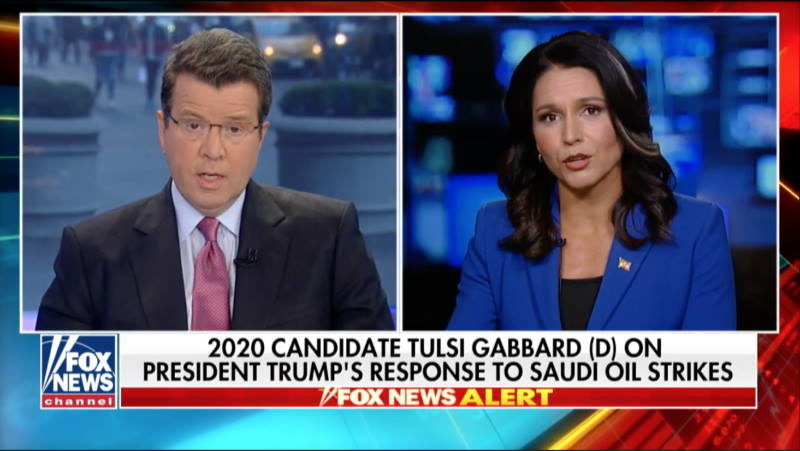








Comment: Hezbollah's leader Nasrallah also warned of the consequences facing Saudi Arabia and the UAE if they do anything stupid: