Puppet MastersS


Info

Nine Asian states sign deal on cooperation and reforms in energy sphere

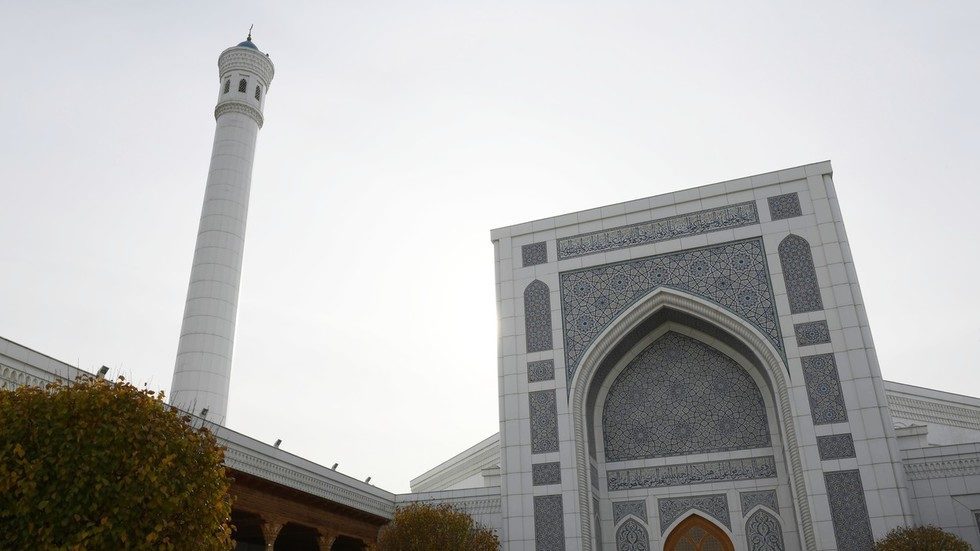
Minor mosque view. Tashkent, Azerbaijan
© Sputnik / Ramiz BakhtiyarovMinor mosque view. Tashkent, Azerbaijan.
Nine countries of Central and West Asia have signed a declaration on cooperation and reforms in the energy sector, signaling a new step towards creating a regional energy market.

The declaration was signed in Tashkent on Saturday by the energy ministers of the Central Asian Regional Economic Cooperation (CAREC) countries. CAREC includes nine Asian states - Afghanistan, Azerbaijan, Georgia, Kazakhstan, Kyrgyzstan, Mongolia, Pakistan, Tajikistan, and Uzbekistan.

"These countries signed a historic declaration that will accelerate cross-border cooperation on energy issues and bring the region one step closer to creating a regional energy market," Tatyana Evstifeeva, spokeswoman for the Asian Development Bank (ADB) in Dushanbe, said. ADB operates as the secretariat of the CAREC program. Evstifeeva noted that the declaration sets the region on a "faster path of reforms" which would lead to more liberal energy markets with greater private sector participation and investment.

Map

'Don't send warplanes and bombs': Rouhani to present Persian Gulf 'peace plan' at UN

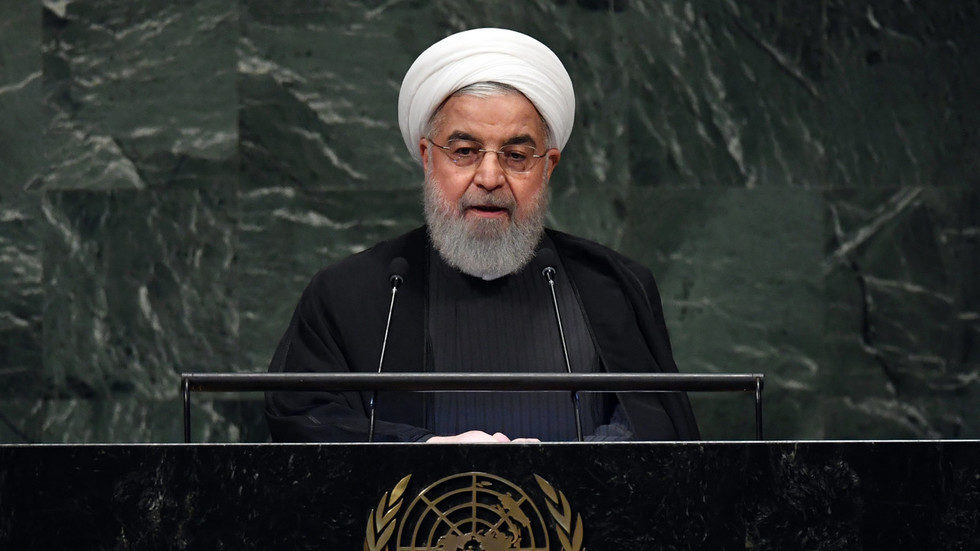
Hassan Rouhani speaking at the UN General Assembly in New York. September 2018
© Timothy A. Clary / AFPHassan Rouhani speaking at the UN General Assembly in New York. September 2018.
Iranian President Hassan Rouhani warned against flooding the Persian Gulf region with weapons and promised to unveil a plan to secure shipping through the Strait of Hormuz.

Rouhani warned against throwing the Middle East into "an arms race," as he addressed the crowd at a military parade on Sunday.

"Don't send warplanes, bombs and other dangerous weapons to the region," he said, while warning that the Islamic Republic "will not allow anyone to violate" its borders.

Officials in Tehran have accused the US of fueling tensions by deploying warships near Iranian waters and sending more troops to Iraq. Earlier, the Pentagon greenlit the deployment of additional forces to strengthen the air defense of its allies, Saudi Arabia and the UAE, after Washington blamed Iran for last week's drone strikes on Saudi oil refineries. Yemeni Houthi rebels claimed responsibility for the attack, while Tehran denied any involvement.


Info

US destroyer famous for 'self-defense strikes' on Yemen redeploys to Saudi coast as Pentagon prepares more purely defensive assets

Arleigh Burke-class destroyer USS Nitze
© Reuters / Peter Foley
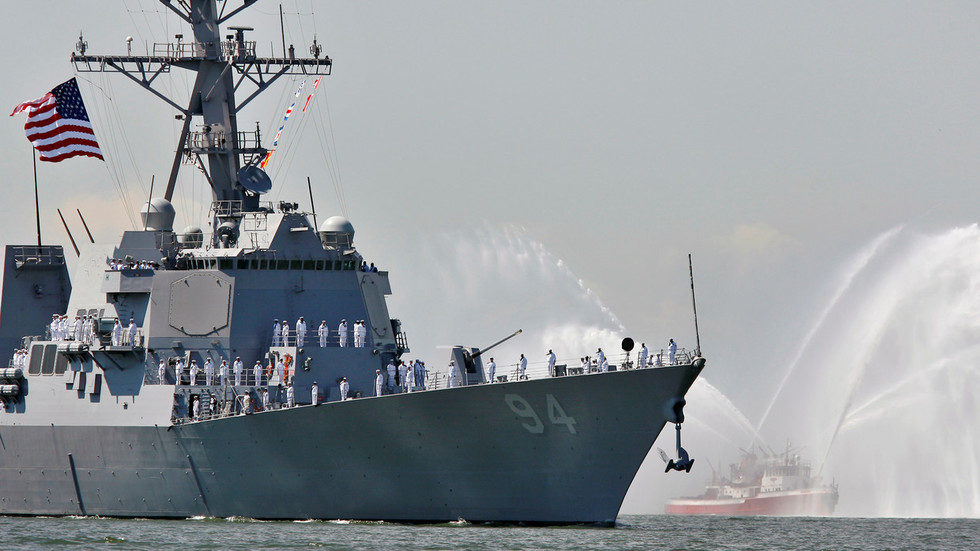
The Arleigh Burke-class destroyer USS Nitze, armed with surface-to-air and Tomahawk cruise missiles, was redeployed off the northeast coast of Saudi Arabia, as part of the US effort to "plug the holes" in its ally's air defenses.

Under the pretext of the "dramatic escalation of Iranian aggression," the Pentagon announced the deployment of additional troops and other military assets to the Persian Gulf. Exact details are still being worked out, but the deployment will be "limited" and purely "defensive" in nature, US military brass promised.

In the meantime, one guided missile destroyer has already been redeployed to the northern Persian Gulf to "plug the holes" in Saudi Arabia's air defenses, according to US media reports. Equipped with Aegis radar and surface-to-air missiles, the USS Nitze is better known, not for its air defense capabilities, but for a 'self-defense' Tomahawk strike on Yemen.

Pirates

Washington's Iran policy is backstreet thuggery masquerading as statecraft

Pompeo
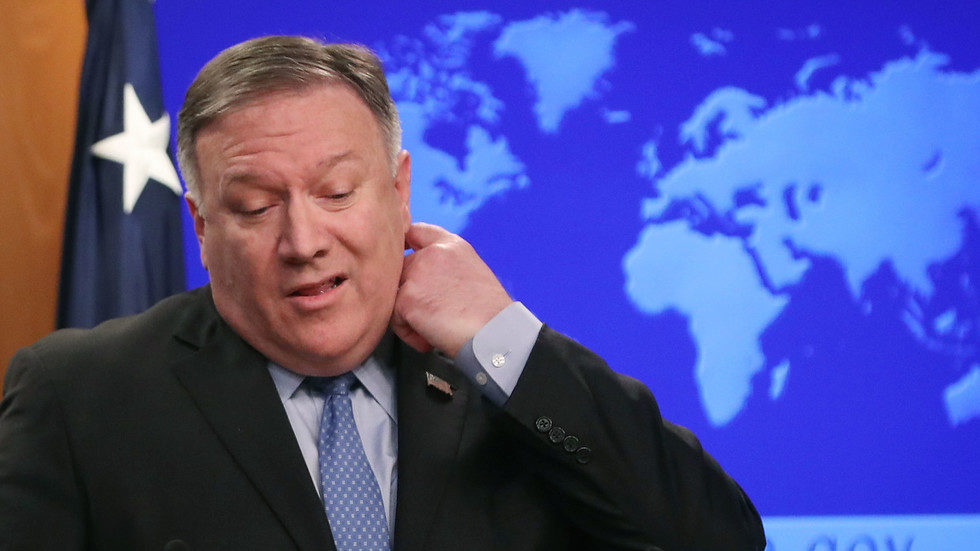
© Getty Images / Mark WilsonFILE PHOTO: U.S. Secretary of State Mike Pompeo, November 20, 2018, Washington, DC.
The war drums beating in Washington, Riyadh, and Tel Aviv when it comes to Iran have not been this loud since the lead-up to the war in Iraq in 2003.

"An act of war," Trump's secretary of state, Mike Pompeo, proclaimed upon arriving in Saudi Arabia on a 'working visit,' a visit that will be largely if not solely taken up with discussions over what form the response to the missile strike against key Saudi oil installations on September 14 should take.

Pompeo's bombastic pronouncement followed the trend set by his boss in the immediate aftermath of the attack. In one of his by now customary sabre-rattling tweets that do much to bring the English language into disrepute, Trump announced:

"Saudi Arabia oil supply was attacked. There is reason to believe that we know the culprit, are locked and loaded depending on verification, but are waiting to hear from the Kingdom as to who they believe was the cause of this attack, and under what terms we would proceed!"

Comment: See also:


Bad Guys

Houthis offer Saudi Arabia mutual halt to attacks - "We stop, you stop" - UPDATE: Saudis respond they'll 'wait and see'

abqaiq aramco oil saudi
© Reuters / Hamad l MohammedWorkers are seen at the damaged site of Saudi Aramco oil facility in Abqaiq, Saudi Arabia on September 20, 2019.
Yemen's Houthi rebels have announced a halt on strikes against Saudi Arabia, adding that they expect reciprocal steps from Riyadh. The ceasefire offer comes days after a major attack on Saudi oil refineries claimed by the Houthis.

The televised announcement was made on Friday by Mahdi al-Mashat, head of the Houthi political council in Sana'a. It comes as the Saudi-led coalition launched a massive operation against "legitimate military targets" north of the port of Hodeidah, in southwestern Yemen.

"I call on all parties from different sides of the war to engage seriously in genuine negotiations that can lead to a comprehensive national reconciliation that does not exclude anyone," said Mashat. If the Saudis ignore the ceasefire offer and continue bombing, the group reserves its "right to respond," he warned.

This is not the first instance of Houthis making a ceasefire gesture to try and stop the Saudi bombing campaign - but this time they appear to have some added leverage. The offer comes just a week after a strike on oil processing facilities in Abqaiq and Khurais halved Saudi Arabian production and spiked global oil prices by nearly 20 percent.

Comment:


But the Saudis still insist on blaming Iran.
The kingdom has been holding talks with its "allies and friends" to decide what to do in the aftermath of the attack, FM Adel al-Jubeir said during a press conference on Saturday.

While Yemen's Houthi rebels have claimed responsibility for the attack, Riyadh has refused to believe that they have such capability. Al-Jubeir said they are "certain that the attacks did not come from Yemen but from the north."
The Aramco attacks were undertaken with Iranian weapons and for this reason we hold Iran accountable for them.
Which only confirms Zarif's point, above.

RT reports: Tehran is ready for "any scenario," and remains determined to fight back "until the full destruction of any aggressor," IRGC commander, Major General Hossein Salami, told reporters at a news conference on Saturday. "Whoever wants their land to become the main battlefield, go ahead," he said. ... Salami vowed to "take action" against all foreign drones violating the nation's borders. "If anyone crosses our borders, we will hit them," he stated.

UPDATE 22nd September 00:55 CET:

RFE/RL reports on Saudi Arabia's response:
Riyadh has taken a "wait-and-see" response to the announcement by Huthi militants in Yemen that they are halting all drone and missile attacks against Saudi Arabia.

"We judge other parties by their deeds, actions and not by their words, so we will see," Saudi Foreign Minister Adel al-Jubeir said after the surprise announcement by the Iran-backed rebels.

Iran denied involvement and warned the United States that any attack would lead to an "all-out war."


U.S. media had earlier reported that the Pentagon was set to present a wide range of military options to President Donald Trump on September 20.

The reports said the military would present Trump with a list of potential air-strike targets inside Iran, among other possible responses.

Washington has already announced it was imposing another round of sanctions on Iran, including on its central bank and its sovereign wealth fund, following the attack.

Iranian Foreign Minister Mohammad Javad Zarif said on September 21 that the fresh U.S. sanctions were a "sign of U.S. desperation."

"But this is dangerous and unacceptable as an attempt at blocking ... the Iranian people's access to food and medicine," Zarif said, speaking after arriving in New York for the annual UN General Assembly next week.

In a related development, an Iranian state body in charge of cybersecurity denied reports that there had been a "successful" attack on some petrochemical and other companies in Iran.

"Based on our observations...there has not been a successful cyberattack on oil facilities and other critical infrastructure," said an official statement carried by IRNA.

NetBlocks, an organization that monitors Internet connectivity, earlier reported "intermittent disruptions" to some Internet services in Iran starting in the evening of September 20.


Eye 2

Israel is the killer state at large

Alaa Wahdan
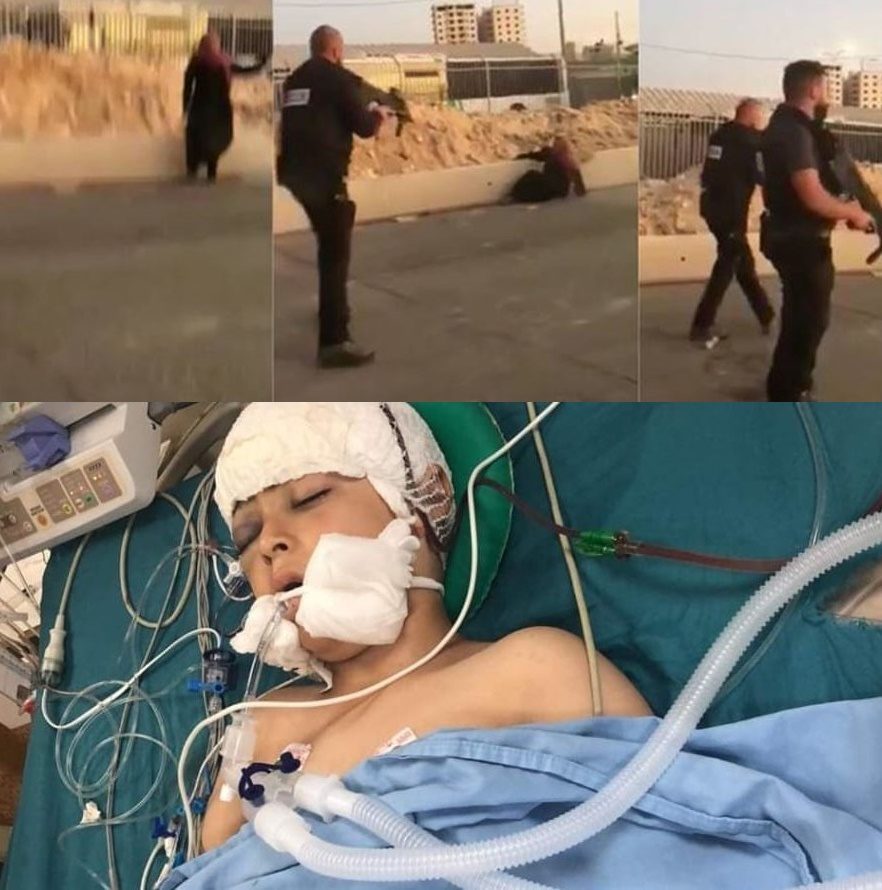
© TwitterAlaa Wahdan fatally shot near the Qalandiya checkpoint separating Ramallah from Jerusalem in the occupied West Bank on Wednesday (top); Abd al Rahman Yassir Shtewi10, was shot in the head by Israeli occupation forces (down).
The most important news coming out of occupied Palestine in the past week was not the blow delivered to Benyamin Netanyahu. Netanyahu or Gantz, it will be business as usual, now that the elections are over: more attacks on Gaza, possibly a large-scale war on Gaza, possibly a war on Lebanon, or Iran, who would know, as Israel always has a profusion of targets.

No, the most important news was not the elections but the killing of a Palestinian woman on the west bank, only a few days after a 10-year-old boy, Abd al Rahman Yassir Shtewi, had been shot in the head by a soldier near the northern West Bank village of Kafr Qaddum during a demonstration over the closure of an access road. He was taken to hospital in critical condition.

The woman, Alaa Wahdan, was shot with an assault rifle as she walked towards a checkpoint near the Qalandiya refugee camp, built for refugees after the massacres and ethnic cleansing of Palestinians from Lydda and Ramle in 1948.

Comment: See also:


Star of David

'Powerful states' blocking information on companies cashing in on illegal Israeli settlements

israel illegal settlement
© Al Jazeera/FileThe UN database of companies operating in illegal Israeli settlements was supposed to be out in March 2017
Amnesty International is urging UN member states to use the next Human Rights Council session on Palestine to demand the release of a database of companies operating in the illegal Israeli settlements.

In a new report published on Friday, the rights organisation stressed that the Office of the United Nations High Commissioner for Human Rights (OHCHR) has repeatedly delayed publication of the database, despite initial plans to release it in March 2017 itself.

"It has become increasingly clear that the delay is in part because certain states are bringing extensive political pressure to bear, not just to put off the database's release, but to stop it being made public at all," said the report.

Question

Photos of damage to Saudis' Khurais oil field show strikes seem "suspiciously well-placed"- Did Houthis have 'insider help'?

saudi oil field air strike
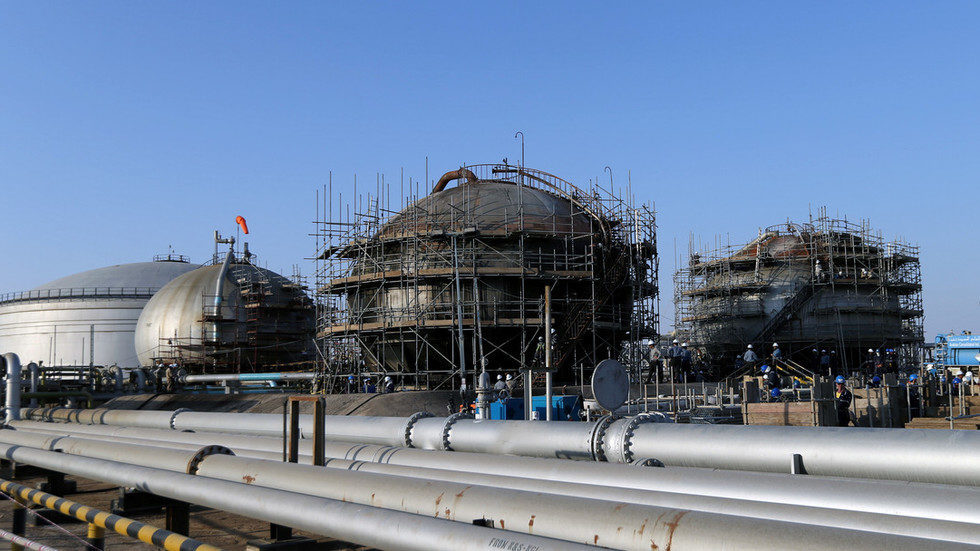
© BloombergSept. 20 photo showing destroyed key crude oil processing units at the giant Khurais oil field.
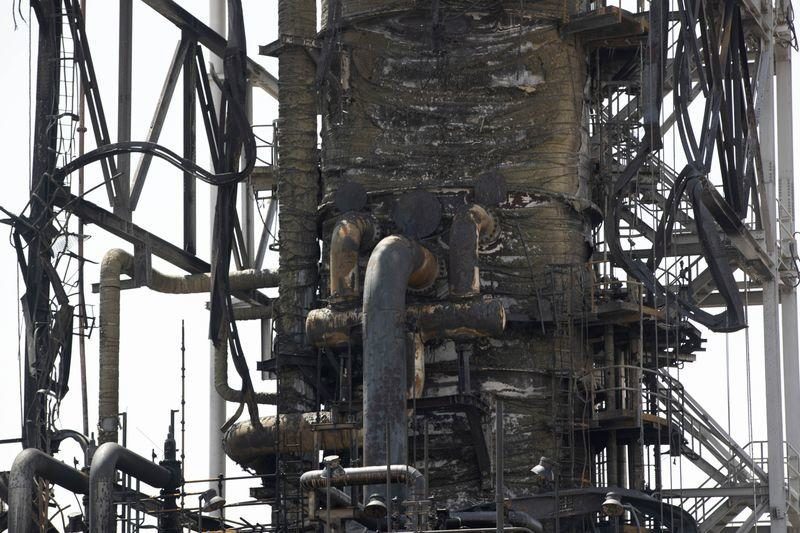
Much of the attention concerning the crippling damage to Saudi Aramco facilities struck in last week's aerial attack ultimately blamed on "Iranian sponsorship" by US and Saudi officials has focused on Abqaiq processing plant, but on Friday the first on the ground images from the kingdom's giant Khurais oil field the country's second largest have been revealed, showing scorched infrastructure, ruptured pipelines, and "a mess of oil melted to asphalt, twisted and charred metal grates" according to an on site Bloomberg report.

And yet Aramco has remained insistent that the field will return to pre-attack output levels this month, after the company reported losing half its daily output in the aftermath of the early Saturday attacks, impacting a whopping 5% of total global supply.

Bullseye

Hillary Clinton: It was Wisconsin! Voter purge deprived her of her presidency

Hillary
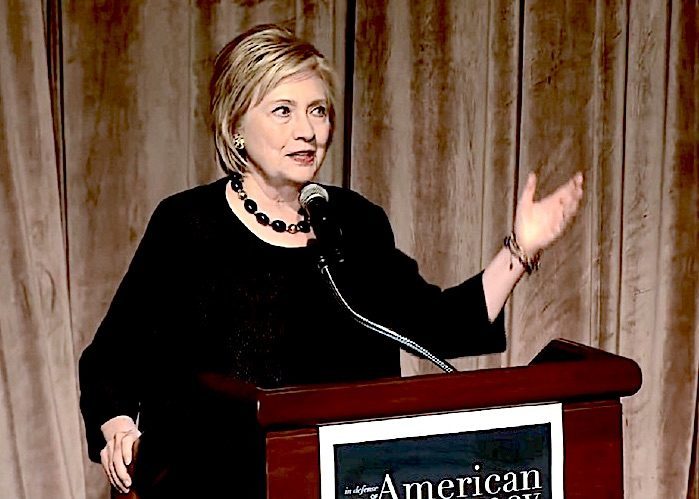
© Sputnik screenshotHillary Clinton still whining...
It's been nearly three years since she lost the 2016 election, but former Democratic presidential candidate Hillary Clinton just can't let go. She once again has tried to cast her loss as a signal that American democracy is in danger instead of soberly weighing the weaknesses of her own campaign, which failed to mobilize voters.

"You can get the nomination; you can win the popular vote; and you can lose the Electoral College - and therefore the election - for these four reasons," former Secretary of State Clinton said Tuesday at the American Federation of Teachers Shanker Institute Defense of Democracy Forum at The George Washington University. "Number One: Voter suppression." Clinton said:
"Experts estimate that anywhere from 27,000 to 200,000 Wisconsin citizen voters, predominantly in Milwaukee, were turned away from the polls. That's a lot of potential voters. They showed up, but maybe they didn't have the correct form of identification. Maybe the name on their driver's license included a middle name or an initial that wasn't on their voter registration. But officials made every excuse in the book to prevent certain people from voting in that election."

Attention

Rep. Meadows: Comey's congressional testimony doesn't jive with what he told IG Horowitz, requires new referral

DOJ IG Horowitz
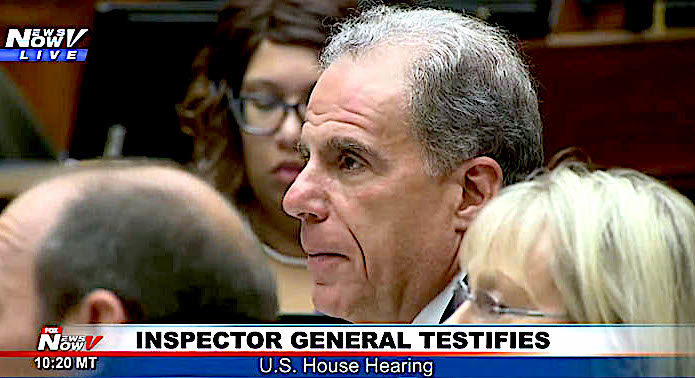
© screenshotDOJ Inspector General Michael Horowitz
The DOJ Inspector General's work is never done. Just last month IG Horowitz released a report which concluded that former FBI Director James Comey violated bureau policy by treating official records as if they were his personal documents. Today, Horowitz testified before Congress and was asked by Rep. Mark Meadows about some apparent discrepancies between what Comey told the IG during that investigation and what Comey had said during congressional testimony last year. Rep. Meadows said a referral would be forthcoming and Horowitz agreed to look over the information.

"We've taken, now, your report and we've put it side-by-side [with] congressional testimony that James Comey made before the joint oversight and judiciary hearing and I'm finding just a number of irregularities," Meadows said. He continued, "So would it be appropriate if ranking member Jordan and I were to refer those inconsistencies to the IG and if we did that would the IG look at those inconsistencies?"

"It's certainly appropriate for us to get a referral about a then-employee of the department, which is I think the hearing you're probably referencing, and then we would assess it," Horowitz replied.

Here's the full exchange that took place today between Meadows and Horowitz:


Comment: Gateway Pundit, 19/9/2019, offers more explanation:
The corrupt cops at the FBI that protected James Comey from crimes didn't realize that by doing so they ruined their chances of attaching obstruction to candidate and President Trump!

According to the DOJ's IG report on James Comey, Comey leaked his memos to his friend who he later described as his lawyer which protected him by implementing attorney-client privilege. This protected Comey from the crime of leaking information to the press unlawfully.

But Comey was also protected by his fellow gangsters at the FBI when then labeled the memos that he leaked, other than classified. If they were labeled classified Comey would be in serious trouble for leaking classified information. So what was the FBI's supposed basis for obstruction of justice charges against Trump?

1. Trump's firing of Comey;
2. Trump's asking Comey to let Flynn go (as outlined in Memo No. 4).

So Trump's comments about letting Flynn go was THE basis, THE EVIDENCE, for obstruction of justice. That in and of itself should mean that information related to this was highly classified. But Comey's Memo No. 4 was labeled by the FBI as "unofficial business use"? How can your prime evidence in a case be labeled "unofficial business use"?

The reason why the FBI labeled it that way was because Comey gave that Memo No. 4 to his buddies and the press. It's the same tactic they pulled when they relabeled Clinton's crimes regarding her emails. I mean, either it's evidence or it isn't, because they sure were using it as evidence....

Here's the even bigger issue about this, though...In order to even begin to try to charge Trump with obstruction of evidence, you need both President Trump's firing of Comey and his asking Comey to go easy on General Flynn. You can't have one without the other. Obviously, they didn't feel as though that was enough; otherwise, they'd have charged Trump back in February when he said it, but they didn't. This means Comey screwed the investigation when he leaked his memos to the press. If they tried to charge Trump with anything related to the leaks, then they'd have to charge Comey with leaking highly classified information. What an idiot...

Which means that on day one Mueller KNEW without a doubt that HE HAD NO CASE...
What this means is, they defeated themselves. In chess parlance, it would be a stalemate, which Trump would probably ultimately win since the Paragraph 1 would come from a criminal/liar (Comey).

That's why Mueller classified Comey's "evidence" both ways, both classified and unclassified. They would pursue the obstruction of justice charges privately, quietly, treating Comey's memos as "highly classified," while their public face would be treating them as "unclassified" so that Comey wouldn't be charged. That's why Trump's legal team told Mueller, we will tear you to shreds in a court of law, and Mueller backed down. Corrupt Mueller knew he would lose.