Puppet MastersS


Arrow Down

Here's why all the critics of Alaska summit are wrong

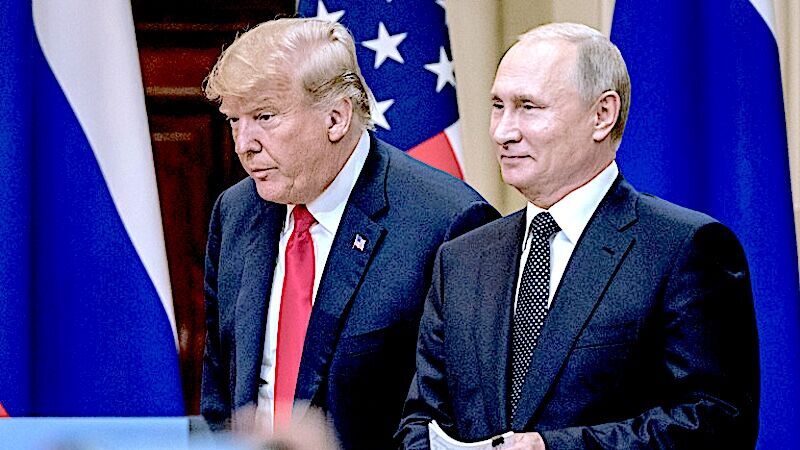
Trumputin
© Kremlin Press Office/Handout/Anadolu Agency/Getty Images/FileRussian President Vladimir Putin and US President Donald Trump
Evading diplomacy is a Western folly that Russia has no reason to imitate.

The problem with the future is that it is both unpredictable and inescapable. You can never know with certainty what tomorrow will bring, but you must prepare for it nonetheless. This may seem trivial. And yet it remains a great challenge.

Consider, for instance, current international reactions to the scheduled summit between Russian president Vladimir Putin and US president Donald Trump. The announcement of the meeting, later specified to take place in Alaska on 15 August, was a surprise. But then again, not really. Viewed against the background of Trump's longstanding signaling of respect for Russia, as well as an interest in normalizing the relationship between Moscow and Washington, it was actually the culmination of a sometimes messy but real trend.

But within the short-term context of a recent American turn against Russia, it was yet another proof that Trump can be hard to predict - trends can tell you only so much. While some observers believed the latest American zig to be the last, others - full disclosure: this one included - argued (and, frankly, hoped) that another zag was possible.

And here we are. It is true that RT editor-in-chief Margarita Simonyan dares not predict the summit's outcome or even whether it will really take place. Russian Deputy Foreign Minister Sergey Ryabkov has warned that we are still far from a new détente. Yet there is no denying that, at least for now, we are not where we were during the preceding Biden administration either. Namely, in a hopeless dead end of an escalating yet failing Western proxy war, flanked by a literal anti-diplomacy; that is, an obstinate refusal to communicate that was perversely elevated to the rank of policy.

Comment: A well-thought out article presenting salient points, diving into various levels and layers of means, motives, history and opportunity...given the upcoming summit.


Wall Street

The GENIUS Act and the National Bank Acts of 1863-64: Taking a cue from Lincoln

Trump /bitcoins
© inside bitcoins/KJNTrump pushes for GENIUS Act
This month Congress passed the GENIUS Act, an acronym for the "Guiding and Establishing National Innovation for U.S. Stablecoins of 2025." Designed to regulate stablecoins, a category of cryptocurrency designed to maintain a stable value, the Act is highly controversial.

Critics variously argue that it anoints stablecoins as the equivalent of "programmable" central bank digital currencies (CBDCs), that it lacks strong consumer protections, and that government centralization destroys the independence of the cryptocurrency market.

Proponents say the rapidly expanding stablecoin market not only provides a faster and cheaper payments system but can serve as a major funding source to help alleviate the federal debt crisis, which is poised to destroy the economy if not checked, and that the stablecoin market has gotten so large that without regulation, we may have to bail it out when it becomes a multitrillion dollar industry that is "too big to fail."

For most people, however, the whole subject of stablecoins is a mystery, so this article will attempt to throw some light on it. It will also explore some historical use cases demonstrating how the government might incorporate stablecoins into a broader program for escaping the debt crisis altogether.

Target

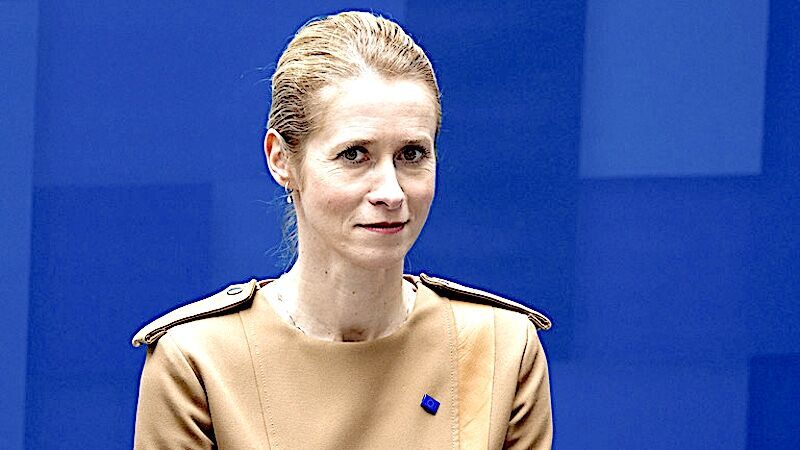
EU's Kallas urges 'pressure on Russia' ahead of Putin-Trump talks

Kallas
© Omar Havana/Getty Images/FileEU’s foreign policy chief Kaja Kallas
The diplomat has claimed the bloc is working on "more military support for Ukraine".

EU foreign policy chief Kaja Kallas has called for more pressure on Moscow ahead of the summit between Russian President Vladimir Putin and his US counterpart, Donald Trump.

Foreign ministers of the bloc's member states held an urgent video-conference on Monday, after it was announced that the Russian and US leaders will meet face-to-face in Alaska on August 15 to discuss the Ukraine conflict and other issues.

Following the discussions, Kallas issued a post on X to offer the bloc's "support for US steps that will lead to a just peace" between Moscow and Kiev:
"Transatlantic unity, support to Ukraine and pressure on Russia is how we will end this war and prevent future Russian aggression in Europe."
According to the foreign policy chief, the EU is currently working on "more sanctions against Russia, more military support for Ukraine, and more support for Ukraine's budgetary needs and accession process to join the EU."

On Monday, Trump confirmed he will consult with Ukraine's Vladimir Zelensky and the leaders of Kiev's Western European backers before his summit with Putin. He said:
"I am going to get everybody's ideas. I go into that thing fully loaded right up there - and we're going to see what happens."

Comment: Still not behaving? 19th time is the charm:
The EU is set to begin working on a new, 19th package of sanctions against Russia, the bloc's foreign policy chief, Kaja Kallas, has said. She also warned against any "concessions" to Moscow in peace talks on the Ukraine conflict.

Calling for transatlantic unity, Kallas said in a statement:
"As far as Russia has not agreed to a full and unconditional ceasefire, we should not even discuss any concessions. The sequencing of the steps is important. First, an unconditional ceasefire with a strong monitoring system and ironclad security guarantees. EU will work on a 19th package of sanctions."

Because the prior 18 worked so well?


The announcement by the former Estonian prime minister, known for her hawkish stance against Russia, comes less than a month after the EU agreed on the 18th sanctions package against Moscow after weeks of back-and-forth between member states.

The restrictions were touted by Kallas as "one of its strongest sanctions packages against Russia," and targeted the country's banking and energy sector. The bloc also added another 105 vessels to a blacklist of what Brussels calls a "shadow fleet," allegedly involved in transporting Russian oil to bypass the bloc's restrictions.

The restrictions were condemned by Moscow, with Kremlin spokesman Dmitry Peskov stating that Russia had "repeatedly said that we consider such unilateral restrictions to be illegal."

The country has already developed "a certain immunity" and adapted to functioning under the sanctions, Peskov added, noting that:
"The unilateral curbs have proven to be a 'double-edged sword,' which creates 'a negative effect' not only for Moscow, but also for those who impose them."


Clipboard

Alaska meeting, Ukraine conflict and trade with Russia: Key takeaways from Trump's Q&A

Trump
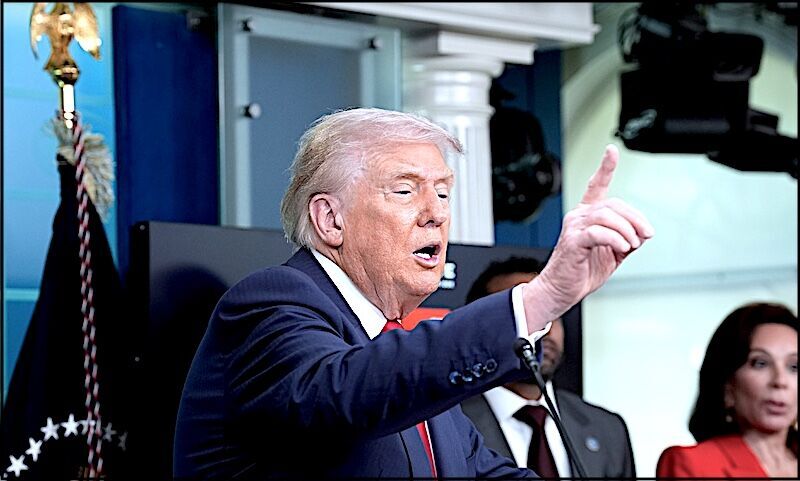
© Yuri Gripas/Global Look PressUS President Donald Trump holds a press conference • Washington, DC • August 11, 2025
The summit with Vladimir Putin will show whether a peace deal can be reached, the US president has said.

US President Donald Trump shared his expectations regarding the upcoming meeting with his Russian counterpart, Vladimir Putin, during a Q&A session with journalists after a press conference on Monday.

The summit will reveal whether Moscow and Kiev are capable of resolving the Ukraine conflict or should just be left fighting, Trump claimed.

The results of the meeting would then be shared with the EU, NATO and Kiev, Trump said, adding that he would be particularly keen on relaying Moscow's proposals if he believes they could be translated into a "fair deal." According to the US president, the settlement of the Ukraine conflict is bound to involve some "land swapping." The president also said that he still sees great potential in trade with Russia, which "has a very valuable piece of land."

Here are the highlights of the Q&A session:

Bullseye

NATO gambling on fascism to pressure Russia - Moscow

Zakharova
© Sputnik / Sergey Bobylev

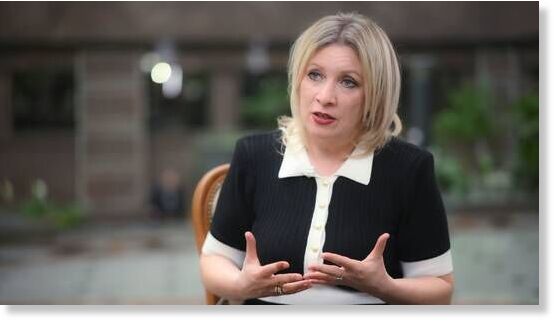
A recent call by NATO Secretary General Mark Rutte not to recognize new Russian regions is just another "systemic subversion" tactic employed by the West in its attempts to exert pressure on Moscow, Russian Foreign Ministry spokeswoman Maria Zakharova has said in a commentary for Izvestia newspaper.

Speaking to CBS on Sunday, Rutte insisted that NATO members "can never accept ... in a legal sense" that four former Ukrainian territories officially became part of Russia following a series of referendums in September, 2022.

Ukraine has refused to recognize the change and still lays claim to all the regions as well as Crimea, which joined Russia in a 2014 referendum following a Western-backed armed coup in Kiev.

The NATO chief drew parallels to the US approach to the Baltic States between 1940 and 1991, when they were part of the USSR.

Bullseye

Sperry: Whistleblower links Clinton campaign to fake Russia hack

hillary clinton russiagate statement lies
The face that launched a thousand lies
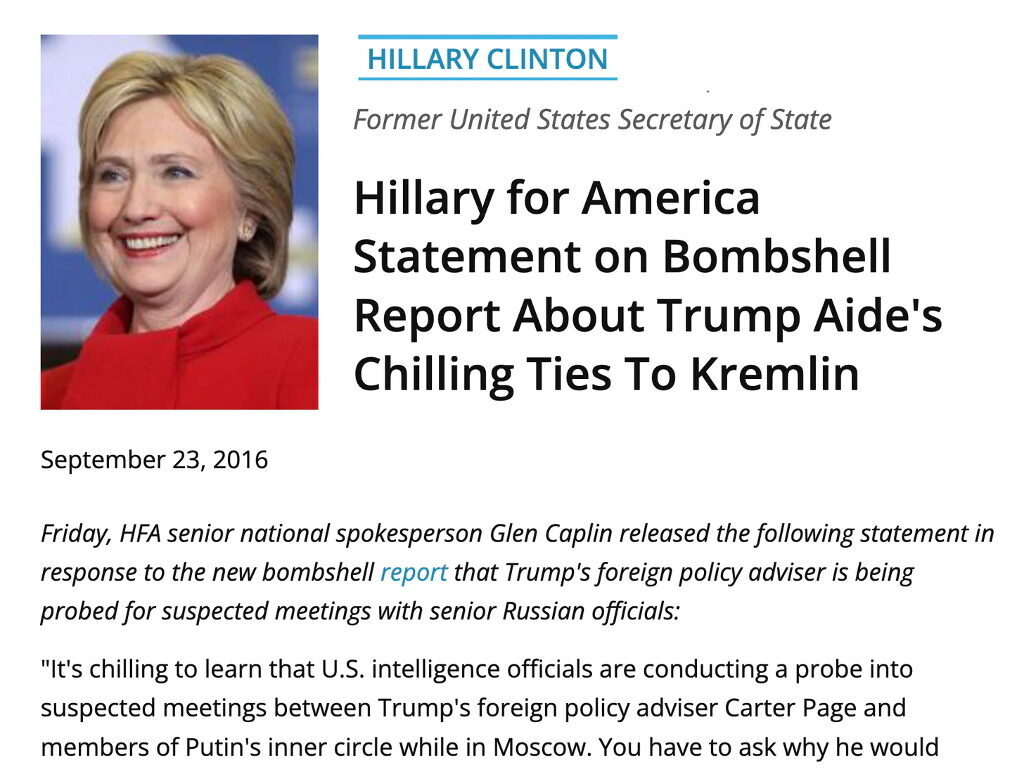
A whistleblower report declassified last week suggests that Hillary Clinton's campaign efforts to manufacture evidence tying Donald Trump to alleged Russian hacking in 2016 were deeper than previously known - as were Obama administration efforts to conceal them.

According to the report, a former senior U.S. intelligence analyst who investigated alleged Russian attempts to breach state voting systems during the 2016 election suspected the breaches may have been "related to activities" of the computer contractors involved in the Alfa Bank hoax,who were accused of manipulating Internet traffic data.

In that well-publicized case, a Clinton campaign lawyer worked with federal computer contractors and the FBI to create suspicions that Russia was communicating with Donald Trump through a secret server shared by Alfa Bank of Russia and Trump Tower in Manhattan.

Eye 1

Israel using Microsoft cloud for mass surveillance of Palestinians: 'A million calls an hour'

microsoft surveillance palestinians azure phone calls
© Guardian Design
Israel's military intelligence unit has been relying on Microsoft to conduct mass surveillance of phone calls from Palestine, according to a joint investigation by The Guardian, +972 Magazine and the Local Call. The operation, enabled by a customized and segregated environment on Microsoft's Azure cloud platform, is reportedly capable of processing up to 1 million phone calls an hour.

The system launched in 2022 following a meeting the year prior between Yossi Sariel, then the commander of the intelligence agency known as Unit 8200, and Microsoft CEO Satya Nadella. Leaked internal Microsoft documents as well as interviews with 11 sources, including Microsoft staff and Israeli intelligence officials, revealed that approximately 11,500 terabytes of data, equivalent to 200 million hours of audio, was stored on Microsoft servers in the Netherlands and Ireland as of July.

Comment: Microsoft is complicit then, in the murders of Palestinian journalists. Reporters must use their phones to upload their stories, and Microsoft-aided surveillance is able to put a bright red target on them. Many have been tracked to their homes, and then murdered along with their families with drone strikes.


Star of David

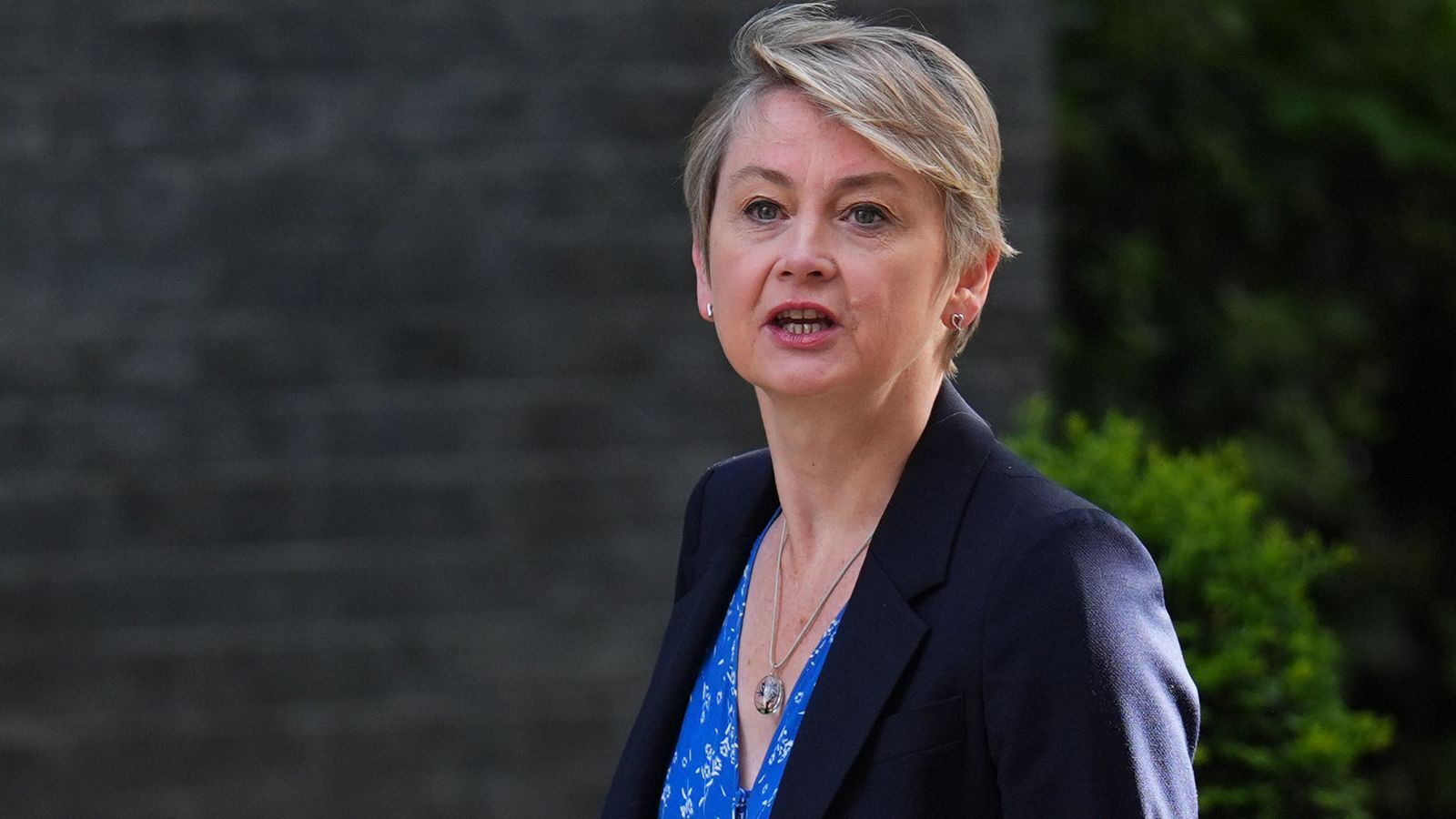
UK Home Secretary Yvette Cooper is lying though her teeth about Palestinian Action

UK Home Secretary Yvette Cooper
© Press AssociationUK Home Secretary Yvette Cooper in 2024.
Yvette Cooper has continually lied about Palestine Action in a panicked attempt to defend the proscription of a direct action protest group which is opposing a Genocide in which Cooper's government is deeply complicit.

Cooper and other government ministers have repeatedly claimed:
  • Palestine Action attacks people, not just weapons-making equipment
  • Palestine Action is funded by Iran or another hostile power
  • Palestine Action attacks Jewish-owned businesses based on racism
  • Palestine Action has plans for future unspecified appalling terrorist acts
In fact none of this is backed up by the assessment of the government's Joint Terrorism Analysis Centre which forms the basis of the proscription of Palestine Action.

Comment: Some background on Palestinian Action:


And the execrable Ms. Cooper:


Star of David

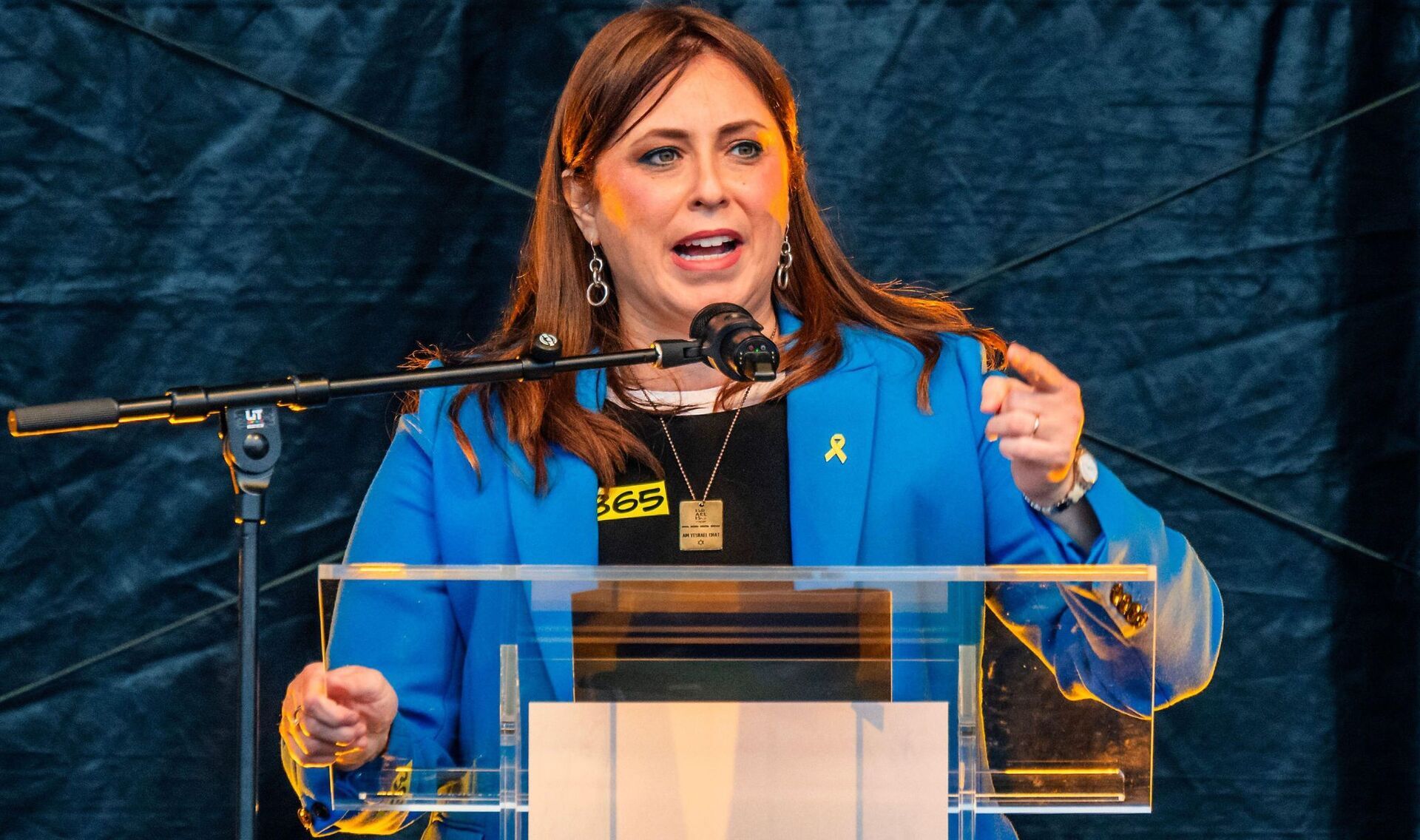
Revealed: The Tzipi Hotovely diary

Tzipi Hotovely
Tzipi Hotovely. This genocidal cow is Israel's ambassador to the UK.
The Israeli ambassador in London, Tzipi Hotovely, has spent almost two years inciting genocide against Palestinians in Gaza.

She suggested last year that "every school, every mosque, every second house" in Gaza had access to underground tunnels and was therefore a legitimate target for Israel.

"That's an argument for destroying the whole of Gaza, every single building there", said LBC presenter Iain Dale. "Do you have another solution?", she responded.

Hotovely's "solution" has left 92 percent of all residential buildings in Gaza - around 436,000 homes - damaged or destroyed, according to the United Nations.

She has also claimed that Hamas bases "all [of its] headquarters" in Gaza's hospitals, a narrative used by Israel to devastate the strip's healthcare system.

Comment: The zionists have their claws just as firmly into the UK as they do in the US. Not surprising as Zionist Israel began as a British project.


Footprints

Cold hard land, cold hard bargain: Putin and Trump head off to Alaska

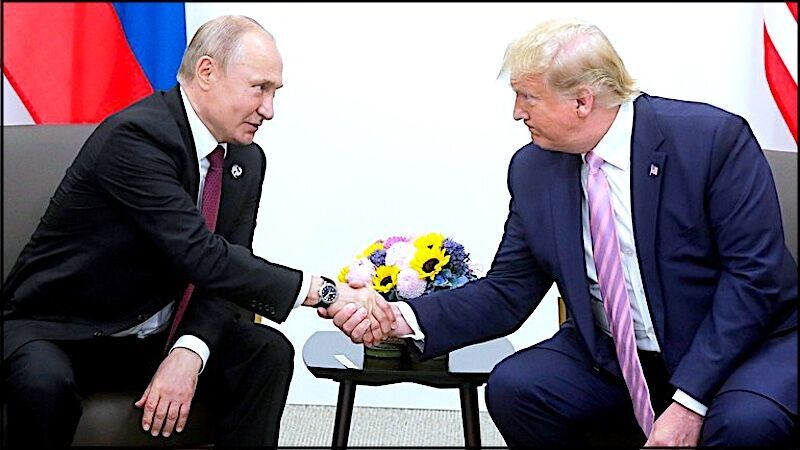
TrumPutin
© Chris McGrath/Getty ImagesUS President Donald Trump • Russian President Vladimir Putin
From a stalled war to a broken oil embargo, the Kremlin's leverage has never looked stronger ahead of the August summit.

Steve Witkoff's visit to Moscow has marked a striking shift in American rhetoric. Just a couple of months ago, in June and July, Donald Trump was threatening the Kremlin with new sanctions and issuing ultimatums. Now the agenda includes a Putin-Trump summit scheduled for August 15 in Alaska. This 180-degree turn has been accompanied by leaks hinting at possible deals and a return to the "thaw" in relations we last saw in the spring.

If the meeting goes ahead, the Russian president will come to it in a far stronger position than he did a few months ago. Back in the spring, Trump's push for a peace deal looked like a personal whim, and the so-called 'party of war' and globalists still had cards to play: Senator Lindsey Graham's sanctions package, fresh US arms deliveries to Ukraine, and the proposals floated by French President Emmanuel Macron and British Prime Minister Keir Starmer about sending Western troops to Ukraine.