
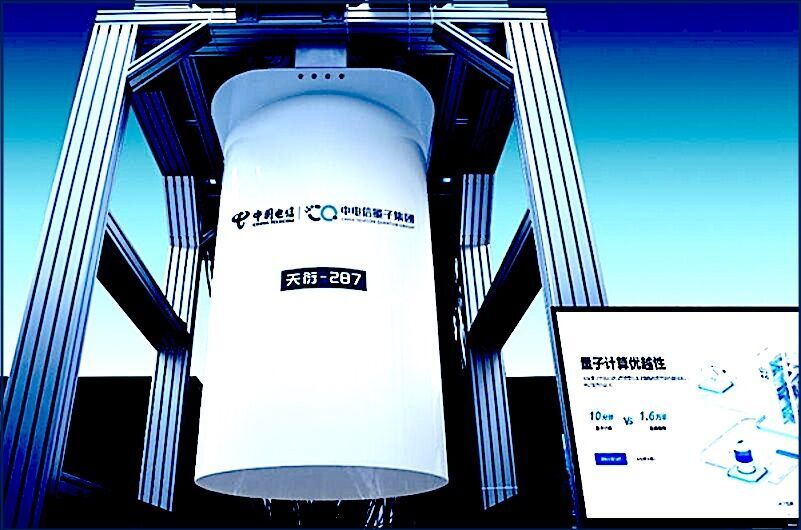
© Unknown"Tianyan-287", the Chinese superconducting quantum computer
In my presentation at the plenary session "Mid-Century Global Governance Defining Transformation," in Guangzhou, sponsored by the prestigious China Institute for Innovation & Development Strategy, I will address the current chaotic phase, with its "fractals of peace," which highlights a redemptive global governance. This is a Chinese initiative promoting a just and equitable global system to preserve the life of all beings in the biosphere [1].
Already on September 13, 2023, Antony Blinken, then Secretary of State, at Johns Hopkins University in Washington, accepted the "decisive turn" of the end of the old world order dominated by the United States [2] , which sounded like a platitude.
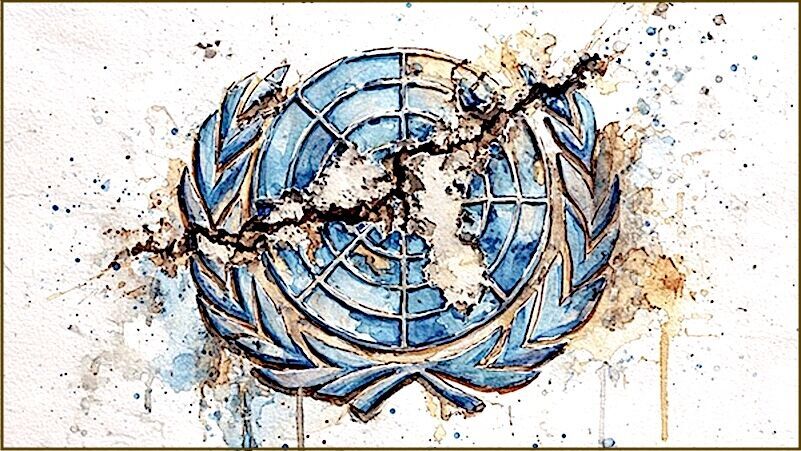
Now it is Chancellor Merz of Germany, partner of BlackRock, who announced in Berlin on November 17 the end of the decadent world order; he accepts the withdrawal of the United States as well as the rise of China and Russia [3].
The dynamics of trends towards a new tripolar world order of China/Russia/United States are as if written on the wall when one perceives the "fractals of peace", which tend towards the return of civilizations, coupled with new technologies, where China possesses a millennial advantage which it has recovered and forged as a new tool.
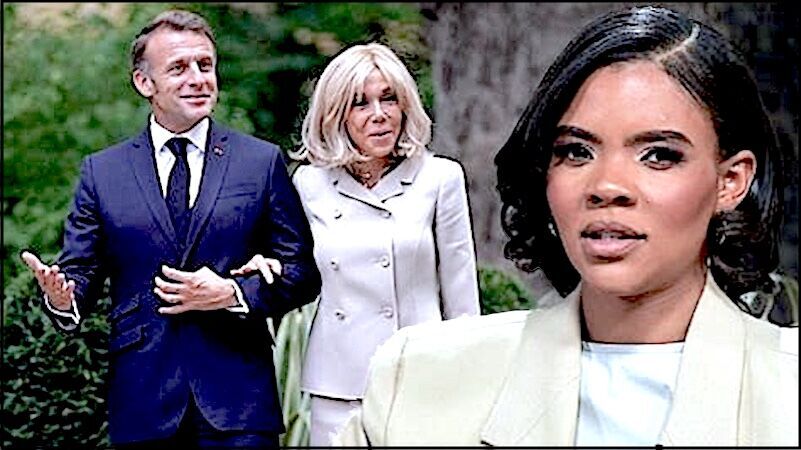













Comment: Kirk's murder is more complex and nefarious than stated here.