© Artur Widak/NurPhoto via Getty Images
The world is currently changing so rapidly that the term 'new normal,' which first appeared in the business realm and later enriched diplomatic slang, has been added to the active vocabulary of not only all those who follow the news, but even those who don't.
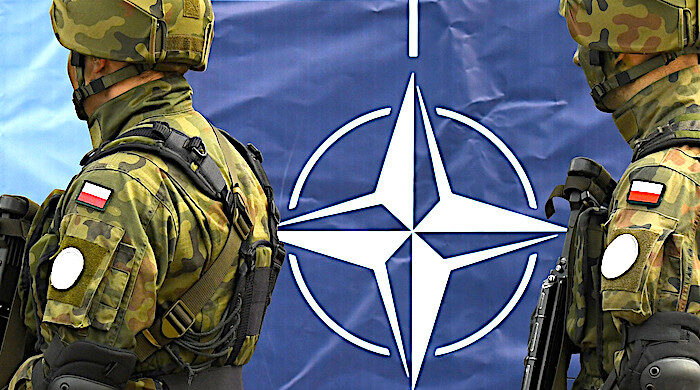
The NATO summit held in Madrid, last month, was rich in information, claiming to be one of the key political events of the summer of 2022. The gathering marked another milestone in relations between Moscow and Brussels, with the the continuing conflict between Russia and the West the main focus.
First, a new Strategic Concept for the bloc was released, in which Russia was publicly declared its main security threat.
Secondly, the procedure for Sweden and Finland's membership was officially launched, symbolically confirming the unity of the Euro-Atlantic camp.
Thirdly, a number of measures and plans have been announced which are aimed at directly deterring Russia militarily.These are all
alarming signals that create a depressing impression for outsiders. The reaction of officials does not add optimism either. For example, in commenting on
NATO's 2022 Strategic Concept, Russia's Deputy Minister of Foreign Affairs, Alexander Grushko,
said:
"The very existence of a state like Russia is recognized as a serious threat to the alliance. This is a very serious turn and a real bid to confront us."
It would seem that everything points to
a 'new normal' in Russia-NATO relations. Naturally, questions arise: How did this happen? What will Brussels do in practice, and how will Moscow react? Can a strategic confrontation in the information field and the buildup of means of deterrence on both sides escalate into an open conflict?
However, if you look deeper,
the fundamental answers are not as scary as they might seem.













Comment: A better question than why Ocasio-Cortez had her hands behind her back was why was she wearing a heavy cold-weather jacket?