Science & TechnologyS


Health

Patent granted for potential Type I diabetes cure

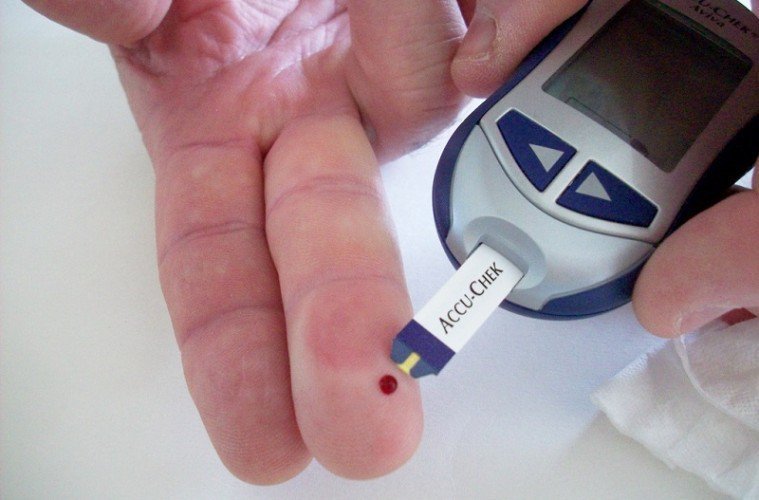
blood sugar check
Type I diabetes is a chronic condition which usually develops in childhood. Otherwise known as juvenile diabetes, it occurs when the pancreas produces little or no insulin, a hormone which allows sugar (glucose) to enter the cells to produce energy. Type I diabetes differs significantly from the increasingly common type II diabetes, which used to be known as adult onset diabetes, occurring when the body becomes resistant to or fails to produce enough insulin.

While research suggests that type II diabetes may be reversible through dietary changes, type I still has researchers confounded. As Science Alert explains, diabetes "involves the loss of functioning beta cells in the pancreas: either these cells die (type I diabetes) or they don't do as they're told (type II diabetes)" and while "scientists have been trying to replace these damaged or dead beta cells with healthy ones," those cells are always destroyed by the patient's own immune system.

Comment: Harvard and Columbia announced potential cures for Type I diabetes in the last two years and neither have produced anything applicable for humans. What's the chance of this current method producing a cure and, most importantly, will Big Pharma even allow such an insult to their diabetes cash cow? There's no profit in a cure.


Wolf

Dogs may have been domesticated more than once

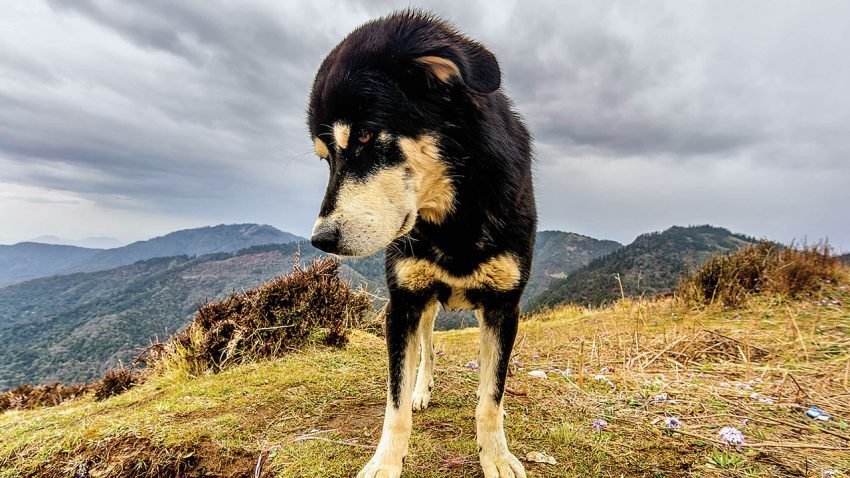
Tibetan Mastiff
© Darko Vrcan/Alamy Stock PhotoAsian dogs like this Tibetan mastiff have been separated from European breeds such as Labradors for more than 6000 years.
For years, scientists have debated where dogs came from. Did wolves first forge their special relationship with humans in Europe, or in Asia? The answer, according to a new study, is yes. This week in Science, researchers report that genetic analysis of hundreds of canines reveals that dogs may have been domesticated twice, once in Asia and once in Europe or the Near East, although European ancestry has mostly vanished from today's dogs. The findings could resolve a rift that has roiled the canine origins community—but the case isn't 
closed yet.

"These are fantastic data that are going to be extremely valuable for the field," says Peter Savolainen, a geneticist at the Royal Institute of Technology in Stockholm and the leading proponent of Asian dog origins. But 
Robert Wayne, an evolutionary biologist at the University of California, Los Angeles, whose work has shown that dogs arose in Europe, says the results—although plausible—are too preliminary to settle the question. "The story is still a bit of a muddle."

People 2

Artificial fragrances change attractiveness of men and women in different ways

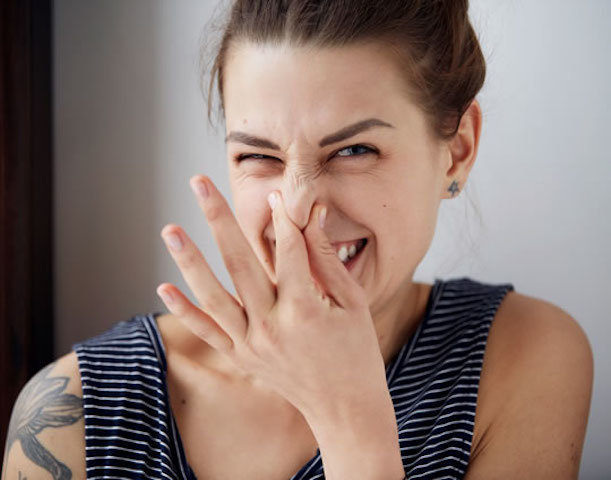
Stinky!
© Shutterstock
New research by the University of Stirling has found that men who are perceived low in masculinity can significantly increase this by applying deodorant, but that this is not the case for men who already have high levels of masculinity.

The study investigated what effect wearing deodorant has on assessing masculinity and femininity. 130 female and male participants rated facial masculinity and femininity using photographs and a further 239 men and women rated odour samples of 40 opposite sex individuals.

The research confirmed that females appear to be, in some way, more sensitive or attentive to odour cues than males. All women who were wearing deodorant were rated as more feminine-smelling by men compared to when they had no deodorant on.

However, without deodorant men rated by women with high and low facial masculinity received significantly different ratings of odour masculinity- once a deodorant was applied these two groups of men became indistinguishable in terms of their rated levels of masculinity. Men who were low in face masculinity significantly increased their odour masculinity by applying a deodorant, but the highly masculine men showed no increase after deodorant application.

Dr Caroline Allen, Psychology researcher at the University of Stirling, who led the study, said:
We're all aware that fragrances are often marketed as being feminine or masculine -- take Old Spice for instance, who have recently parodied this with their hyper-masculine adverts, claiming that their product will allow you to smell like a super masculine guy.
Our study found that when women apply a deodorant it does increase their rated body odour femininity, as would be expected. Though it seems as though something else is at play when it comes to male body odour and male deodorants. Only those men who were rated low in masculinity to start with showed a significant increase after applying their deodorants, and the men who were highly masculine initially showed no increase after deodorant application.

Comment: See also:


Bizarro Earth

Magma chamber discovered growing outside volcanic zone in New Zealand

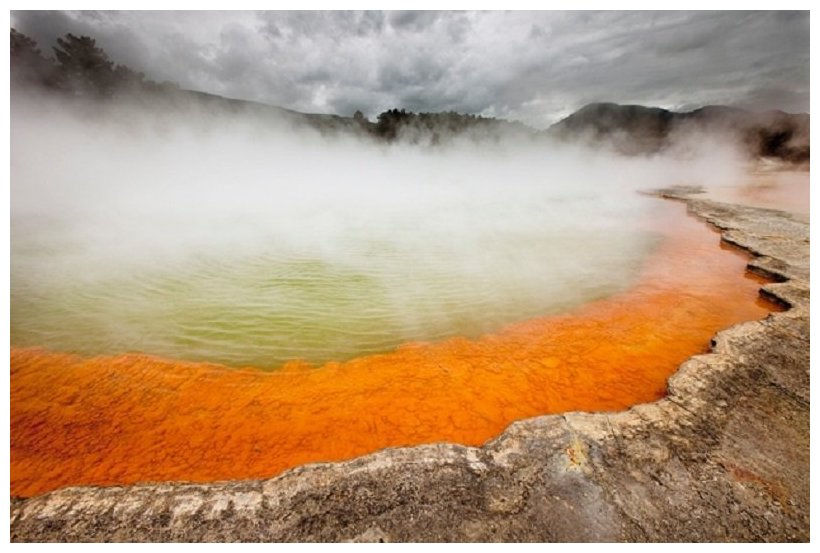
Champagne Pool
© Colin Monteath/Minden/NGCChampagne Pool is a lake in Rotorua, one of New Zealand’s most active volcanic regions.
Geologists in New Zealand have discovered a magma chamber being born in a surprising place — not under the country's most active volcanoes, but off to one side.

The finding suggests that molten rock can accumulate underground in complex and unexpected patterns, but does not indicate that an eruption is imminent.

"There's no need to panic, but chances are there are lots of bodies of magma dotted throughout the crust," says Ian Hamling, a geophysicist at GNS Science in Lower Hutt, New Zealand. He and his colleagues describe the discovery on 3 June in Science Advances1.

The team used radar data from satellites, such as the European Space Agency's now-defunct Envisat, to study ground motions in the Taupo Volcanic Zone. This region, which runs down the centre of New Zealand's North Island, has seen 25 enormous eruptions in the past 1.6 million years. Today, it is home to some of the country's most spectacular volcanic features, from the bubbling hot pots of Rotorua to frequent eruptions at Whakaari, or White Island, in the Bay of Plenty off of the North Island. The most recent eruption at Whakaari was in April.

Fireball 3

Russia creating system to warn about celestial bodies that pose a threat to Earth

Russian Automated Space Hazard Warning System
© Yuri Smityuk/TASS, archive
Russia's State Space Corporation Roscosmos and the Central Research Institute of Machine Building (TsNIIMASH) will develop a system to identify and assess the celestial bodies that pose a threat to Earth, the Izvestia daily writes on Friday.

"It is necessary to develop hardware and software systems for the collection, processing and analysis of information about potentially dangerous objects of natural origin", TsNIIMASH spokesperson Olga Zharova told Izvestia. She said the system development efforts envisage international cooperation, in particular, the exchange of data on the near-Earth space will be offered to the world's leading space agencies.

Beaker

"Noncoding" RNA molecules found to create micropeptides

non coding RNA
© Bryan Satalino"Non-coding RNA" does create some proteins
Bits of the transcriptome once believed to function as RNA molecules are in fact translated into small proteins.

In 2002, a group of plant researchers studying legumes at the Max Planck Institute for Plant Breeding Research in Cologne, Germany, discovered that a 679-nucleotide RNA believed to function in a noncoding capacity was in fact a protein-coding messenger RNA (mRNA).1 It had been classified as a long (or large) noncoding RNA (lncRNA) by virtue of being more than 200 nucleotides in length. The RNA, transcribed from a gene called early nodulin 40 (ENOD40), contained short open reading frames (ORFs)—putative protein-coding sequences bookended by start and stop codons—but the ORFs were so short that they had previously been overlooked. When the Cologne collaborators examined the RNA more closely, however, they found that two of the ORFs did indeed encode tiny peptides: one of 12 and one of 24 amino acids. Sampling the legumes confirmed that these micropeptides were made in the plant, where they interacted with a sucrose-synthesizing enzyme.

Five years later, another ORF-containing mRNA that had been posing as a lncRNA was discovered in Drosophila.2,3 After performing a screen of fly embryos to find lncRNAs, Yuji Kageyama, then of the National Institute for Basic Biology in Okazaki, Japan, suppressed each transcript's expression. "Only one showed a clear phenotype," says Kageyama, now at Kobe University. Because embryos missing this particular RNA lacked certain cuticle features, giving them the appearance of smooth rice grains, the researchers named the RNA "polished rice" (pri).

Turning his attention to how the RNA functioned, Kageyama thought he should first rule out the possibility that it encoded proteins. But he couldn't. "We actually found it was a protein-coding gene," he says. "It was an accident—we are RNA people!" The pri gene turned out to encode four tiny peptides—three of 11 amino acids and one of 32—that Kageyama and colleagues showed are important for activating a key developmental transcription factor.4

Eye 2

The web is watching: New audit reveals extent of stealth online tracking

internet surveillance
Who’s surfing who?
The web is watching you. Chunks of code hide inside every website, tracking your online behaviour.

Now, a pair of computer scientists have published their attempt to spy back. They audited 1 million of the most popular websites for tracking behaviours - more than anyone has looked at before. Their investigation gives new insight not only into what sites might know about you, but how they're figuring it out.

Studying a million websites is hard. To do it, Arvind Narayanan - who heads the Web Transparency and Accountability Project at Princeton University - built a tool called OpenWPM with graduate student Steven Englehardt. OpenWPM can visit and log in to websites automatically, taking more than a dozen measurements of each one. It took two weeks to crawl through the top million websites, as ranked by web traffic firm Alexa.

Narayanan and Englehardt discovered that many trackers are sharing the information they gather with at least one other party, sometimes dozens of times. The audit also revealed several previously unknown "fingerprinting" techniques that sites are using. Here, the website asks the browser to perform a task that is hidden from the user. The site then fingerprints individual machines based on slight differences in their performance. Trackers used to do this by watching how the browser draws a graphic; now, they check what fonts are installed or how the browser processes audio. A couple of trackers even gathered the device's battery level.

Bell

Survival behaviors in the face of threat: How fear makes us freeze

fight or flight
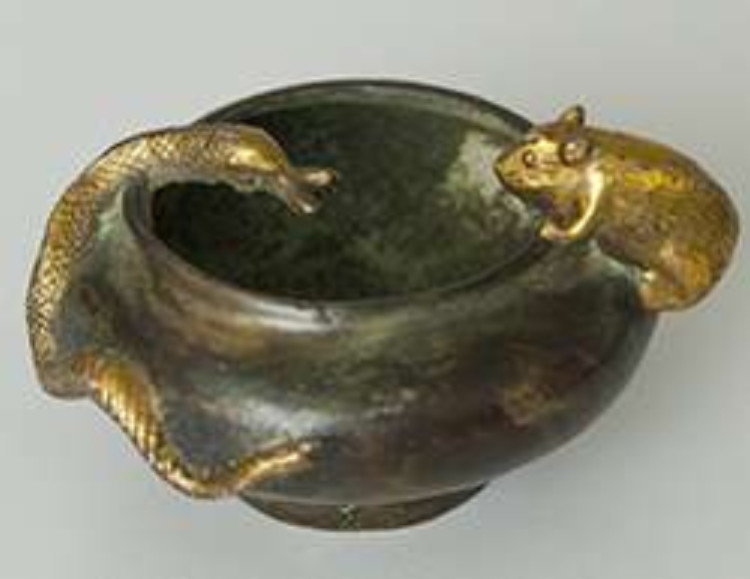
© Friedrich Miescher Institute for Biomedical ResearchSurvival behaviors in the face of threat- replica of a decorative antique Chinese bowl depicting a mouse confronted with a snake.
Andreas Lüthi and his group at the Friedrich Miescher Institute for Biomedical Research (FMI) have identified and characterized the neuronal circuitry in the brain, which controls defensive behavior in threatening situations. In a study published in Nature, they show which neurons trigger fear-related freezing and how the freezing pathway interacts with pathways responsible for flight.

Fear protects us in a world full of dangers. This is particularly evident in small rodents, such as mice, which exhibit various reactions to threats: freezing, flight or - as a last resort - defensive attack. In recent decades, researchers including Andreas Lüthi of the FMI have investigated the processes in the brain which give rise to fear, and how fear is learned. But it has not been clear to date how the state of fear triggers a response which extends all the way to the muscles.

Magnify

Archeological study on Black Death reveals incredible devastation wrought by plague

Black Death
© Royal Museums of Fine Arts, BrusselsThe 14th century plague known as the Black Death is thought to have killed up to 60 percent of the population in parts of Europe. This image, from a Flemish illustrated manuscript of 1349, shows plague victims being buried in the city of Tournai, now in Belgium.
The devastation wrought by the Black Death plague pandemic in medieval England has been revealed in a uniquely detailed archaeological study carried out for more than a decade with the help of thousands of village volunteers.

Although some historians have played down the impact of the bubonic plague that struck Europe and Asia in the 1300s, new research shows that the Black Death was as deadly as described in writings that have survived from the time, with some villages suffering an almost 80 percent drop in population after the plague.

The study gathered and analyzed data about broken pieces of domestic pottery found in more than 2,000 test pits measuring 11 square feet (1 square meter) at the surface and up to 4 feet (1.2 meters) deep that were dug in 55 villages in eastern England. [See Photos of How Archaeologists Tracked the Impact of the Black Death]

The test pits were excavated from 2005 to 2014 by an estimated 10,000 volunteers, including students, homeowners and local community groups, under supervision by archaeologists and trained local team leaders. Each of the villages in the survey is known to have been occupied before the Black Death, which by some estimates killed more than 3 million people in England between 1346 and 1351.

In most of the surveyed villages, the quantities of pottery pieces indicate sharp long-term falls in population from the time of the Black Death. Many village populations did not recover until about 200 years later, in the 16th century.

Comment: For further reading see: New Light on the Black Death: The Cosmic Connection


Eye 1

Mind-reaching device that turns thoughts into speech coming closer to reality

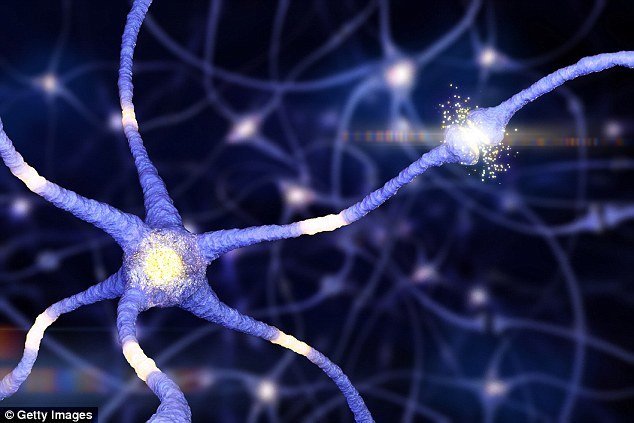
Firing neuron
A mind-reaching machine that can translate thoughts into speech is coming closer to reality.

The research has been ongoing for several years, and recently, scientists successfully managed to playback a word that someone is thinking by monitoring their brain activity. While there remains a long way to go, they say this could help victims of stroke and others with speech paralysis to communicate with their loved ones.

A mind-reaching machine that can translate thoughts into speech is coming closer to reality. The research has been ongoing for several years, and recently, scientists successfully managed to playback a word that someone is thinking by monitoring their brain activity

Professor Robert Knight and his team at UC Berkeley have been studying how hearing words, speaking out loud and imagining words involves brain areas that overlap.'Now, the challenge is to reproduce comprehensible speech from direct brain recordings done while a person imagines a word they would like to say,' said Knight, who is also the Founding Editor of Frontiers in Human Neuroscience.

Knight says the goal of the device is to help people affected by motor disease such as paralysis and Lou Gehrig's Disease. 'There are many neurological disorders that limit speech despite patients being fully aware of what they want to say,' Knight said.

'We want to develop an implantable device that decodes the signals that occur in the brain when we think about a word, then turn these signals into a sound file that can be reproduced by a speech device.'


Comment: Scientists Use Brain Imaging to Reveal the Movies in Our Mind