Science & TechnologyS


Info

Rain Man gene identified

Agenesis
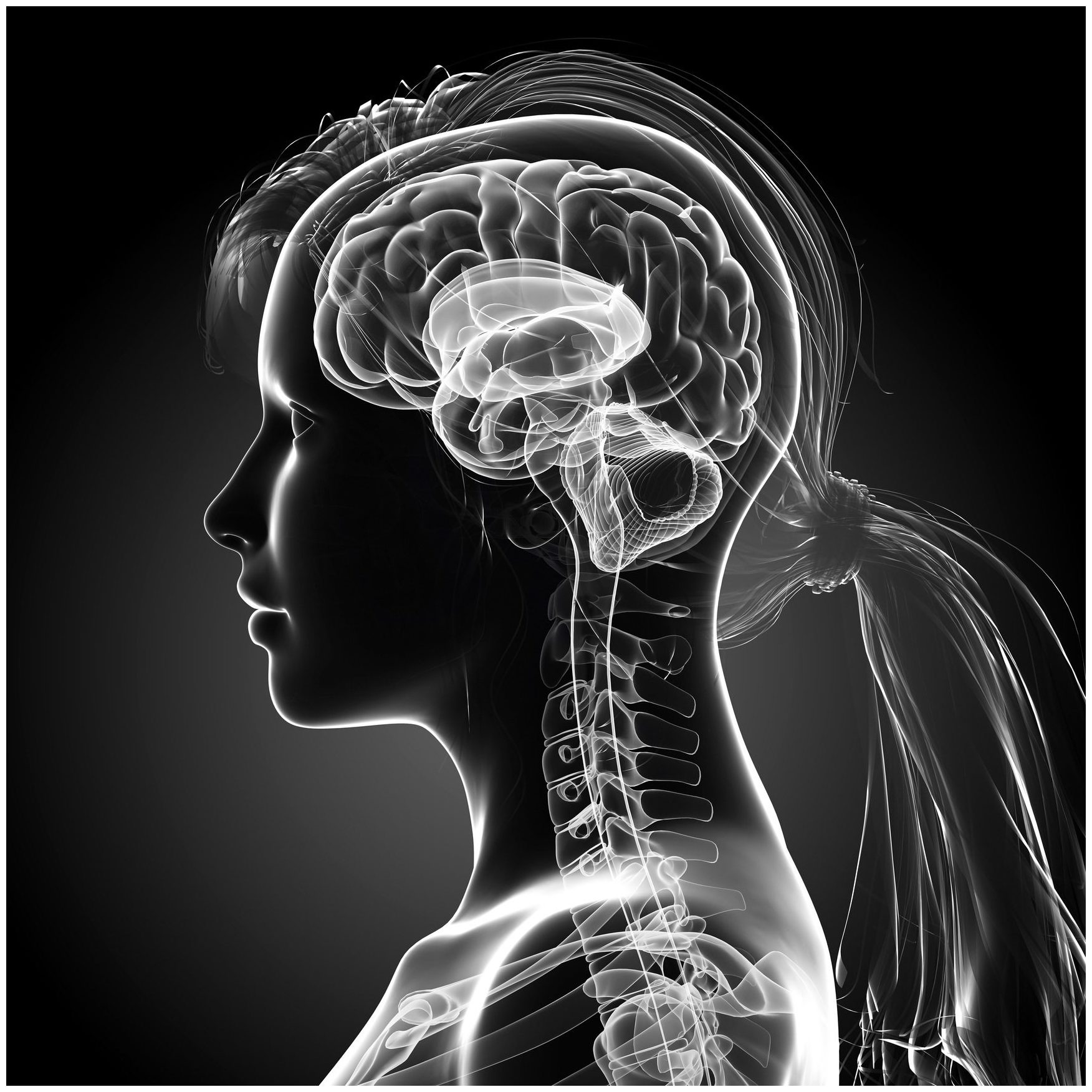
© Shubangi Caneshrao KeneFor people with agenesis of the corpus callous, the brain lacks the fibres that connect the left and right hemispheres.
A gene responsible for mild cases of the brain disorder behind the 1988 hit movie Rain Man has been identified.

Kim Peek was the real-life 'mega-savant' who inspired the Oscar-winning movie. But aside from his phenomenal ability to memorise books word-for-word, Peek's brain was odd.

One striking feature was that it lacked the thick bundle of nerve fibres - the corpus callosum - that usually bridges the divide between the left and right hemispheres.

The condition, called agenesis of the corpus callosum, or ACC, isn't that uncommon. It affects around one in 4000 newborns, and an estimated 3-5% of children with an intellectual disability. It is also a common cause of terminations in the later stages of pregnancy.

But it's a baffling condition. It can crop up along with a constellation of other brain malformations - as it did in Peek's case - or on its own. And the effects can vary dramatically, making it difficult for clinicians to give anxious parents or pregnant couples a clear idea of what to expect.

"The outcomes are very variable, from patients with normal intellect to patients with severe disabilities and the entire spectrum in between," says Rick Leventer from the Murdoch Children's Research Institute in Melbourne, who led the study.

Robot

Google's Boston Dynamics unveils 'nightmare-inducing' wheeled robot - Update: Company's robot 'Handle' officially unveiled

Wheeled robot
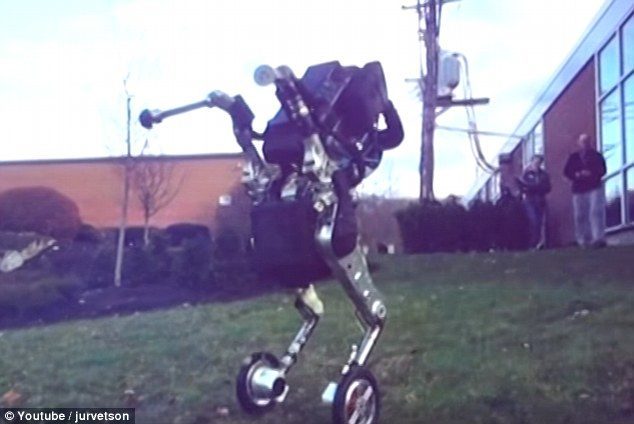
Boston Dynamics is best known for its bipedal and quadrupedal robots, but it turns out the company has also been experimenting with some radical new tech: the wheel.

The company's new wheeled, upright robot is named Handle ("because it's supposed to handle objects") and looks like a cross between a Segway and the two-legged Atlas bot.

Handle hasn't been officially unveiled, but was shown off by company founder Marc Raibert in a presentation to investors. Footage of the presentation was uploaded to YouTube by venture capitalist Steve Jurvetson.

Raibert describes Handle as an "experiment in combining wheels with legs, with a very dynamic system that is balancing itself all the time and has a lot of knowledge of how to throw its weight around." He adds that using wheels is more efficient than legs, although there's obviously a trade-off in terms of maneuvering over uneven ground. "This is the debut presentation of what I think will be a nightmare-inducing robot," says Raibert:

Creating a more efficient robot that can handle basic tasks like moving objects around a warehouse would certainly be of benefit for Boston Dynamics. Although the company has consistently wowed the public with its robots, it's struggled to produce a commercial product that's ready for the real world.


Comment: Boston Dynamics officially unveiled their new robot. The results are unsettling to those who wonder what these technological breakthroughs will lead to:
The robot can stand on four legs, like Boston Dynamics' previous creations such as BigDog and Spot. But at the end of its back two legs are two stabilised wheels, which let it stand up vertically and roll around at speeds of up to nine miles per hour. Think "Terminator riding on a hoverboard" and you'll have a pretty good idea of the impression Handle gives off.


Blue Planet

Visionaries propose to sequence the DNA of all life on Earth

Bird of Paridise
© TIM LAMAN/National Geographic Can biologists sequence the genomes of all the plants and the animals in the world, including this greater bird of paradise in Indonesia?
When it comes to genome sequencing, visionaries like to throw around big numbers: There's the UK Biobank, for example, which promises to decipher the genomes of 500,000 individuals, or Iceland's effort to study the genomes of its entire human population. Yesterday, at a meeting here organized by the Smithsonian Initiative on Biodiversity Genomics and the Shenzhen, China - based sequencing powerhouse BGI, a small group of researchers upped the ante even more, announcing their intent to, eventually, sequence "all life on Earth."

Their plan, which does not yet have funding dedicated to it specifically but could cost at least several billions of dollars, has been dubbed the Earth BioGenome Project (EBP). Harris Lewin, an evolutionary genomicist at the University of California, Davis, who is part of the group that came up with this vision 2 years ago, says the EBP would take a first step toward its audacious goal by focusing on eukaryotes—the group of organisms that includes all plants, animals, and single-celled organisms such as amoebas.

That strategy, and the EBP's overall concept, found a receptive audience at BioGenomics2017, a gathering this week of conservationists, evolutionary biologists, systematists, and other biologists interested in applying genomics to their work. "This is a grand idea," says Oliver Ryder, a conservation biologist at the San Diego Zoo Institute for Conservation Research in California. "If we really want to understand how life evolved, genome biology is going to be part of that."

Comment: See also: DNA analysis reveals the origins of modern Europeans


Beaker

Bacterium that protects host sponges from arsenic and barium in sea water

sponge bacteria arsenic
© Tel Aviv UniversityEntotheonella bacterium
Arsenic is the leading freshwater contaminant on the planet, affecting millions of people worldwide and causing an untold number of deaths every year. Removing arsenic from groundwater and freshwater is a major challenge still facing scientists and policymakers. Now a new Tel Aviv University study published in Nature Communications sheds light on a unique biological model of arsenic detoxification.

According to the new research, the Entotheonella bacterium that inhabits the Theonella swinhoei sponge is one of the only known cases of a bacterium protecting its host from metal poisoning. Entotheonella safeguards these sponges against the dangers of arsenic and another common toxin, barium.

"This particular sponge species, which is among the most ancient animals inhabiting the earth today, is home to a very diverse, very crowded number of microorganisms," said Prof. Micha Ilan of the Department of Zoology at TAU's Faculty of Life Sciences, who led the study. "These sedentary animals evolved to contain an in-house arsenal of chemicals and associated microbiota to deal with predators and pathologies."

Brain

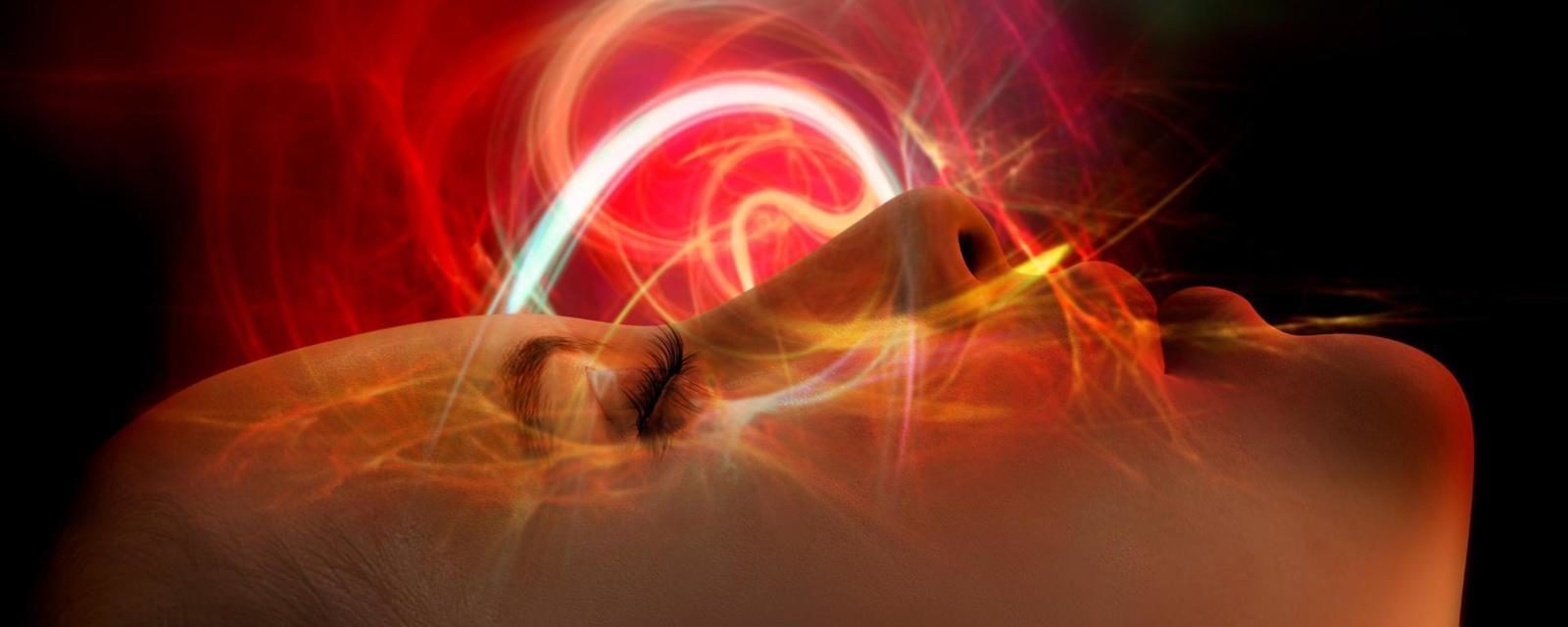
The strange link between quantum physics and the human mind

quantum human
"I cannot define the real problem, therefore I suspect there's no real problem, but I'm not sure there's no real problem."

The American physicist Richard Feynman said this about the notorious puzzles and paradoxes of quantum mechanics, the theory physicists use to describe the tiniest objects in the Universe. But he might as well have been talking about the equally knotty problem of consciousness.

Some scientists think we already understand what consciousness is, or that it is a mere illusion. But many others feel we have not grasped where consciousness comes from at all.

The perennial puzzle of consciousness has even led some researchers to invoke quantum physics to explain it. That notion has always been met with skepticism, which is not surprising: it does not sound wise to explain one mystery with another. But such ideas are not obviously absurd, and neither are they arbitrary.

For one thing, the mind seemed, to the great discomfort of physicists, to force its way into early quantum theory. What's more, quantum computers are predicted to be capable of accomplishing things ordinary computers cannot, which reminds us of how our brains can achieve things that are still beyond artificial intelligence. "Quantum consciousness" is widely derided as mystical woo, but it just will not go away.

Comment: See also:


Info

Ultra-bright star in the Crab Nebula, breaks all the rules

Crab Nebula
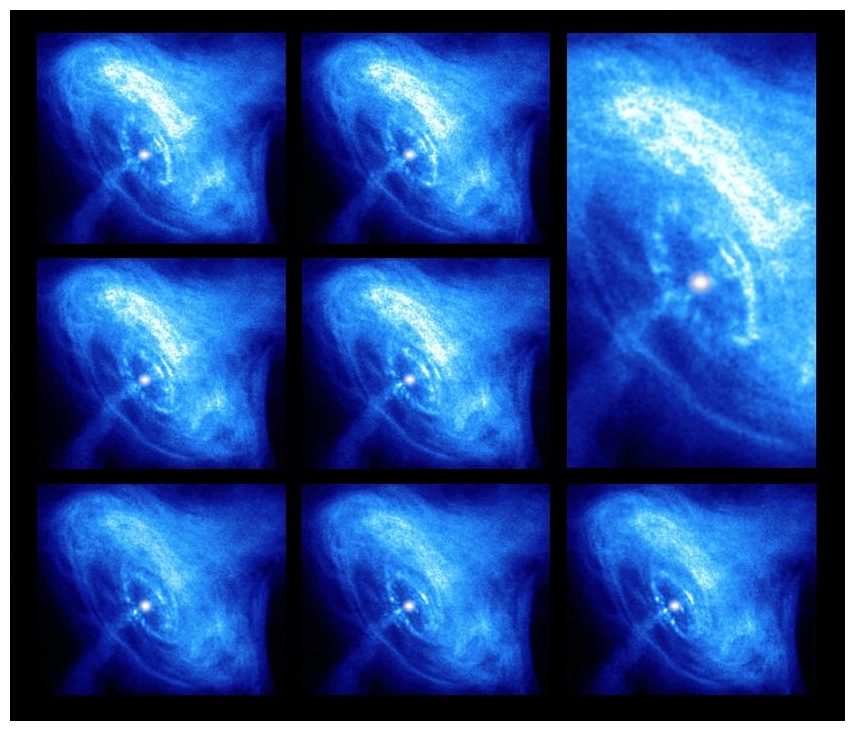
© NASA/Getty ImagesMultiple images of the Crab Nebula made over a span of several months with NASA's Chandra X-ray Observatory show matter and antimatter propelled to nearly the speed of light by the Crab pulsar, a rapidly rotating neutron star the size of Manhattan.
Well, bang go those theories. Astrophysicists have identified a neutron star that overturns not one but three well supported hypotheses.

The star, known as NGC 5907 ULX, is emitting far more x-rays than any other ever observed.

So huge is the output that it has been classified as an "ultraluminous x-ray source" (ULX). It is by no means the first ULX to be recorded in nearby galaxies, but all the others are confidently predicted to be generated by black holes - this is the first one that uses star-power.

So there goes the first theory.

But there are still more baffling elements to the discovery, made by a team led by Gianluca Israel from the National Institute of Astrophysics in Rome, Italy, and reported in Science.

Biohazard

Surviving doomsday: Underground condos for the elite in Kansas

Bedroom
A bedroom in the Survival Condo complex, a converted missile silo, includes a live video feed of the world outside.

The door to the Survival Condo closes slowly, sending a resounding thud through the concrete parking garage.

Those inside have surrounded themselves with walls up to 9 feet thick, ready to withstand a nuclear explosion, the eruption of Yellowstone's supervolcano or an outbreak of avian flu.

Larry Hall, project manager and owner of the Luxury Survival Condo Project, says he feels safer with the doors closed.

He says he's sold all 12 luxury condos in the former Atlas missile silo — which once housed a nuclear warhead — not far from Concordia, about two hours north of Wichita. He's working on a second silo.

A full-floor unit is 1,820 square feet and costs $3 million. A half-floor unit, at 900 square feet, costs $1.5 million.

Survival is a unifying cause. Hall said his owners come from a variety of political beliefs and include people in international business, architecture, law and medicine. He said the owners don't do interviews; efforts to reach them were unsuccessful.

Sun

Sunday's 'Ring of fire' eclipse visible in the southern half of our planet is a treat or omen of upheaval? (Video)

Space nerds are in for a treat on Sunday when the moon blocks out the sun in an annual solar eclipse that will cloak more than two dozen countries and three continents in momentary darkness.

Astronomers can see the cosmic display from 8:16am ET (US), but, unfortunately for northern hemisphere stargazers, the eclipse will only be visible in the southern half of our planet, moving across South America, the Atlantic Ocean, Antarctica, and Africa.

Info

New study finds fasting diet can regenerate pancreas

A new U.S. study has found that a major organ - the pancreas - can be triggered to regenerate itself through a type of fasting diet. This could be of potential benefit to those with diabetes.
Insulin Injection
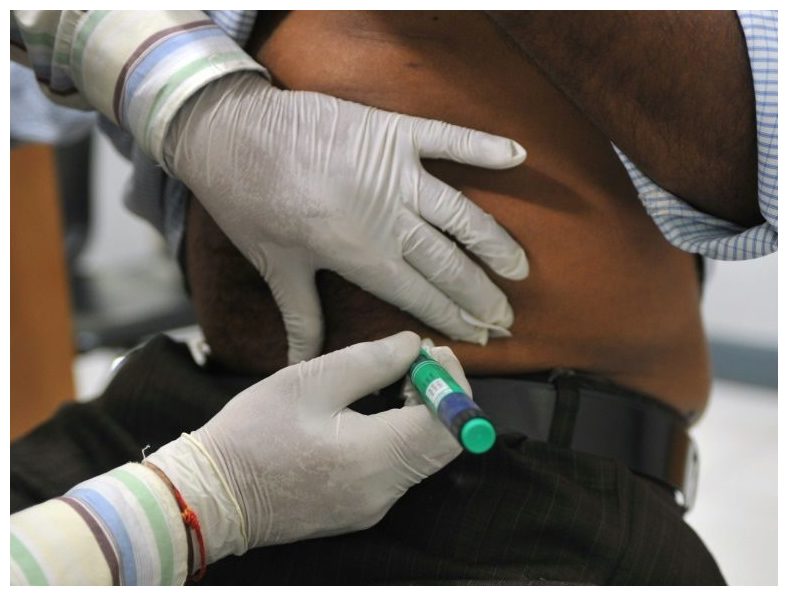
© Sajjad Hussain/AFPPatients with type one diabetes require regular injections of insulin.
The new study has looked at mice who were engineered to have diabetes and a damaged pancreas. The mice were put on a modified form of the "fasting-mimicking diet". This is similar to the popular human form of diet whereby a person spends five days on a low calorie, low protein, low carbohydrate regime coupled with a high unsaturated-fat diet. The experimental outcome was that the controlled diet led to the pancreas recovering. In essence the diet 'reboots' the body.

The reason why the new study is potentially important is because restoring the function of the organ that helps control blood sugar levels also led to a reversal of symptoms of diabetes. This is based on animal experiments and a future study will look at the effects in humans, should permission for such a trial be approved. Importantly such a diet should not be attempted by a person without seeking medical advice.

Info

Evidence of a 'chaotic solar system' in Colorado rocks

Plumbing a 90 million-year-old layer cake of sedimentary rock in Colorado, a team of scientists from the University of Wisconsin - Madison and Northwestern University has found evidence confirming a critical theory of how the planets in our solar system behave in their orbits around the sun.
Big Bend, Texas
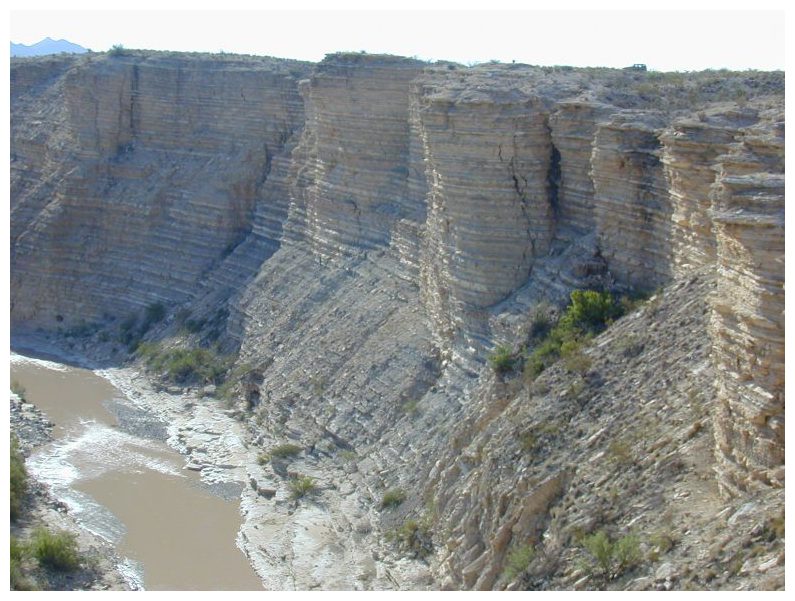
© Bradley SagemanAlternating layers of shale and limestone near Big Bend, Texas, characteristic of the rock laid down at the bottom of a shallow ocean during the late Cretaceous period. The rock holds definitive geologic evidence that the planets in our solar system behave differently than the prevailing theory that the they orbit like clockwork in a quasiperiodic manner.
The finding, published Feb. 23, 2017 in the journal Nature, is important because it provides the first hard proof for what scientists call the "chaotic solar system," a theory proposed in 1989 to account for small variations in the present conditions of the solar system. The variations, playing out over many millions of years, produce big changes in our planet's climate — changes that can be reflected in the rocks that record Earth's history.

The discovery promises not only a better understanding of the mechanics of the solar system, but also a more precise measuring stick for geologic time. Moreover, it offers a better understanding of the link between orbital variations and climate change over geologic time scales.