
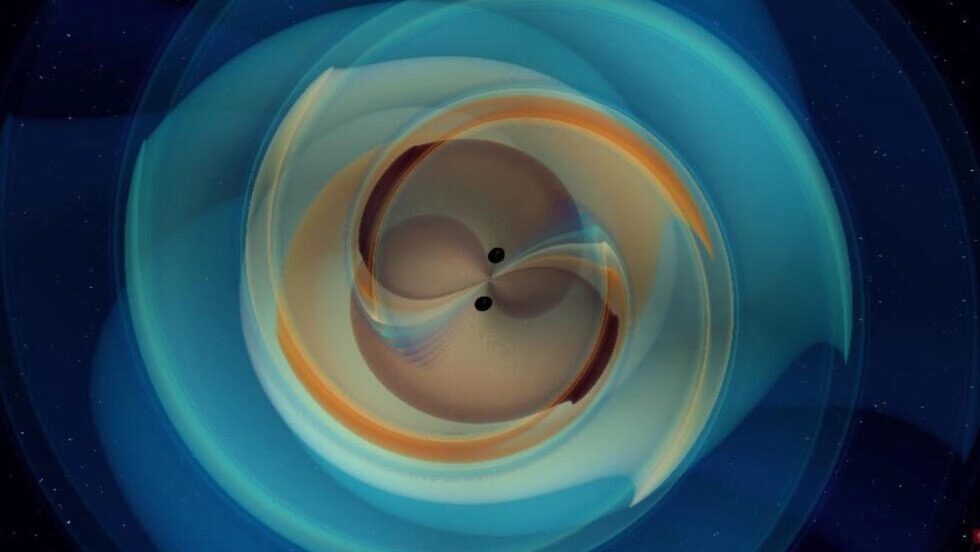
© N. Fischer, H. Pfeiffer, A. Buonanno / MAX PLANCK INSTISTUTE FOR GRAVITATIONAL PHYSICS/AFP/FileThe measurement of gravitational waves was deemed a "disruptive" recent breakthrough by the researchers
While previous research has shown downturns in individual disciplines, the study is the first that "emphatically, convincingly documents this decline of disruptiveness across all major fields of science and technology," lead author Michael Park told AFP.
Park, a doctoral student at the University of Minnesota's Carlson School of Management, called disruptive discoveries those that "break away from existing ideas" and "push the whole scientific field into new territory."
Comment: This is a most revealing admission; because it's quite clear that scientific research, from climate to basic biology (i.e gender), that does not promote the establishment's, often warped, version of reality, is unlikely to receive funding.
The researchers gave a "disruptiveness score" to 45 million scientific papers dating from 1945 to 2010, and to 3.9 million US-based patents from 1976 to 2010.












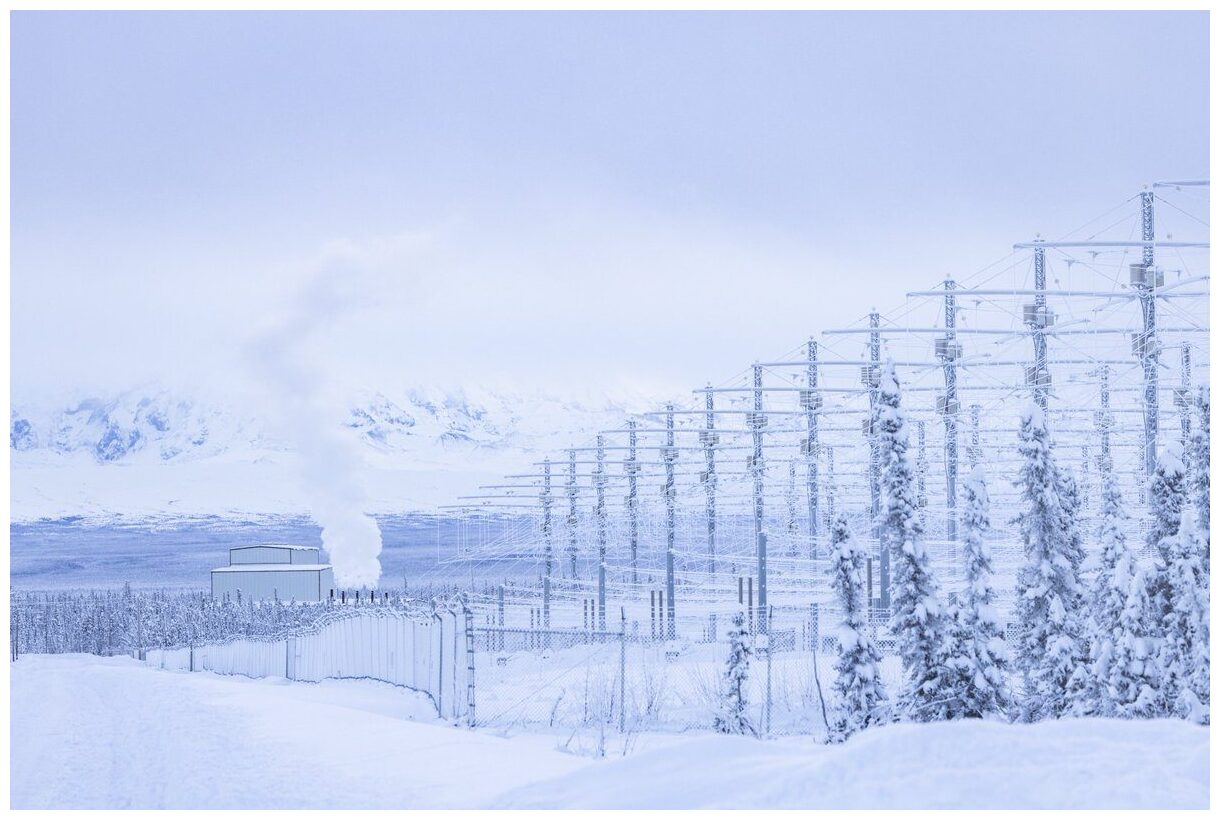



Comment: The contrived coronavirus crisis and subsequent lockdowns were perhaps the penultimate example of how science is now so readily corrupted by nefarious interests, and enforced by pathological and incompetent people in positions of influence.
That said, there is hope, because, whilst Russia and China tow the line on a number of mainstream theories, it's clear from their actions, that they are not stunted by the same ideologies destroying Western institutions; and this can be seen in how China recently became the country with the most cited scientific papers in the world.
For further insight into the crisis mainstream science is facing, check out the following podcast from SOTT radio: MindMatters: Follow the Science? A Peek Behind the Curtain of Institutional Science