Storms
S


Cloud Precipitation

More flooding hits Queensland, Australia

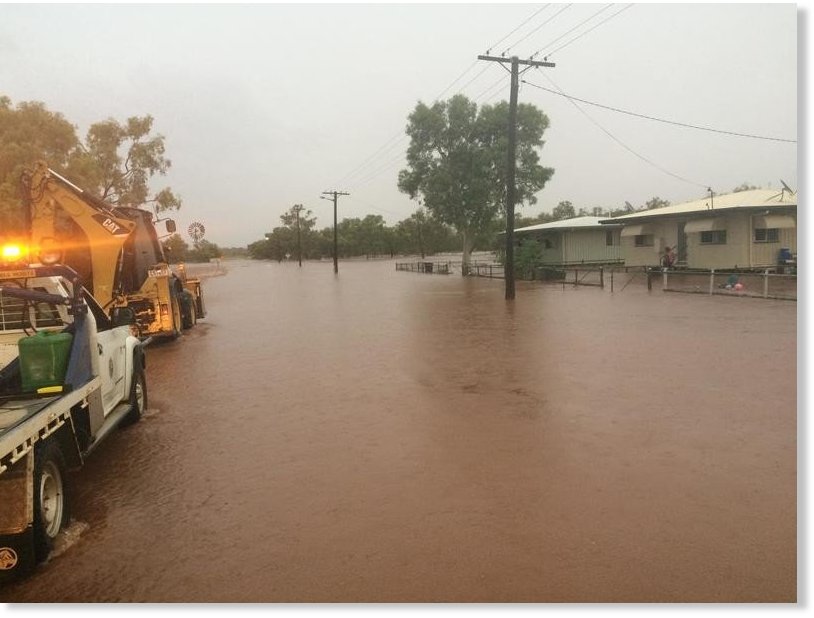
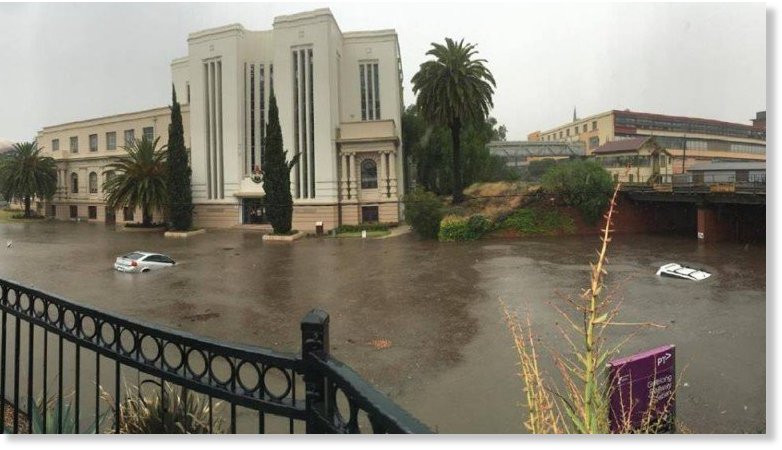
Flooding in Dajarra, Queensland
© Queensland PoliceFlooding in Dajarra, Queensland
More flooding hit Queensland earlier today, 03 February, this time in the the state's remote north west. Last week, one man died and several were rescued after floods in the Bundaberg area on 31 January.

More heavy rain this week affected communities in the Mount Isa area. On 03 February, Urandangi recorded 162mm of rain in 24 hours, with most of it falling in around 3 hours. This is just short of its highest ever of 164mm, recorded in December 1984. Surrounding areas also received large amounts of rain.

Local police reported that flooding in the township of Dajarra has led to several people being evacuated from homes this morning. Police also reported that a number of vehicles in the area have been impacted by flood waters. At least person had to be rescued after he was stranded in his car by floodwater. Several roads across the region were closed.

Tornado1

Several tornadoes hit the American South, heavy snow in the Midwest

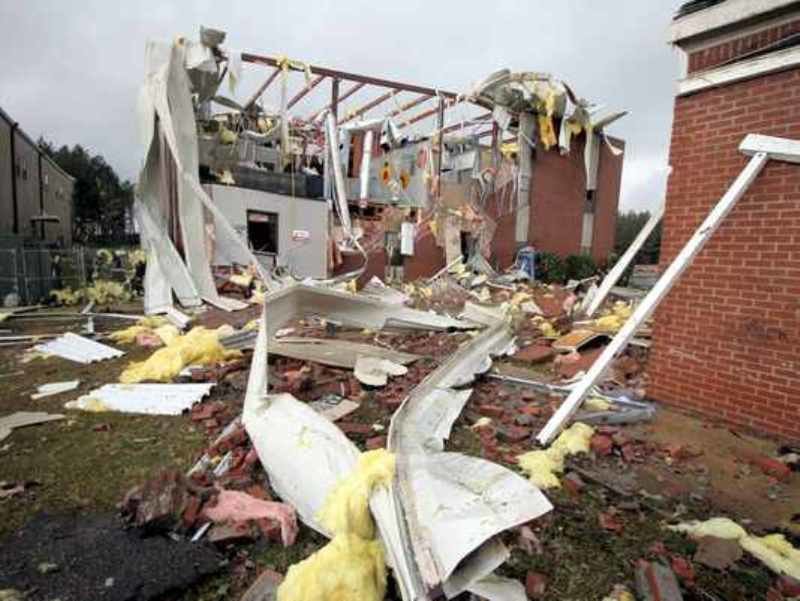
tornado damage in Lauderdale County
© Paula Merritt, APDebris lies on the ground near First Baptist Church of Collinsville in Lauderdale County, Miss., after it was severely damaged during a storm Tuesday, Feb. 2, 2016
Several tornadoes ripped across parts of eastern Mississippi and western Alabama Tuesday, while a brutal winter storm paralyzed parts of the Midwest with more than a foot of snow.

The southern tornadoes left behind devastation but no deaths. The storms took down trees and power poles and damaged structures, the Weather Channel reported. More than 14,000 Alabama Power customers were without power, mostly in Birmingham, the utility reported.

In Alabama, the National Weather Service in Birmingham reported a "confirmed large and destructive tornado" on the ground near the city of Aliceville, about 45 miles west of Tuscaloosa, according to the Associated Press.

"We have trees down along with live power lines," said Belinda Tilley, Aliceville's emergency 911 director, after the tornado had passed. "We've had some houses hit and minor injuries reported," she added.


Snowflake

Blizzard leaves behind rare snow rollers in Vineyard, Massachusetts

Snow rollers
© Timothy Johnson
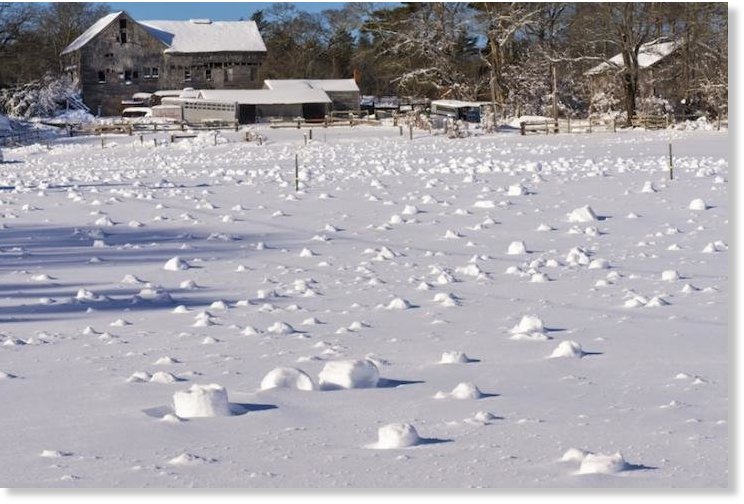
Snow rollers scattered on the field at Fred Fisher's farm in West Tisbury.
Beyond the snow and some downed tree limbs, the weekend blizzard left another, more unusual calling card, as Vineyard fields were strewn with cylindrical pieces of snow.

The meteorological phenomena are called snow rollers. According to the National Weather Service, snow rollers are formed by strong but not too-strong winds and light snow falling on a layer of smooth, crusted-over old snow.

A small piece of snow is picked up by the wind and, as it rolls along, it collects more snow and becomes cylindrical in shape, sometimes with a hole extending lengthwise through the center. It's a bit like an oblong base of a snowman made by the wind. Snow rollers are said to be as large as a foot in diameter.

Snow rollers are rare, the weather service said, because of the combination of conditions required for them to form.

Cloud Lightning

Sydney, Australia lashed by 'very dangerous' storm cell

Australia storm cells
© Bureau of MeteorologyA BoM image showing storm cells over parts of Australia on 29 January
Thousands of Sydneysiders are without power after a fierce thunderstorm lashed the city, complete with torrential downpours and dangerous wind gusts of more than 100km/h.

It's the second day of wild weather for Sydney, with a dangerous storm cell battering much of NSW this afternoon. Sydney's west copped it first, complete with damaging winds, heavy rain and even hail.

The Bureau of Meteorology, which labelled the storm cell "very dangerous" said Toongabbie recorded 30mm of rain in just 10 minutes about 4.50pm. Strathfield was also drenched, with about 36mm of rain in 15 minutes, as wild winds battered the west.

Wind gusts of up to 98km/h were recorded at Badgerys Creek, before the wild weather shifted toward the inner city.

Sydney Airport recorded winds of up to 107km/h this evening as winds and rain lashed the CBD, the Sydney Harbour Bridge, Sydney Airport Sydney Olympic Park and Ryde.

The eastern suburbs and inner west were also lashed by the heavy rains, with the BoM warning of possible flash flooding.


Ice Cube

3 inch spiky hailstones fall in Tehama County, California

3 inch hailstones
© Jeff Boyce/NWS Sacramento3 inch hailstones
The three-inch wonders fell Saturday during a severe thunderstorm north of San Francisco.

Most serious hailstones threaten to crack your skull like jumbo-sized jawbreakers shot out of a howitzer.

The ones that fell Saturday during a severe thunderstorm in Tehama County, California, about 150 miles north of San Francisco, are a bit different. With their intimidating armor of spikes, they look like they'd stick right into your head like lawn darts, and then release fountains of blood when you pulled them out.

That wasn't the only remarkable thing about this hail, though. The starfish-stones, which almost seem composed of grafted icicles, tied the record for largest hail in California set in 1960 in San Diego County. Their diameter was a whopping three inches from spike tip to spike tip, as shown in a photo by Jeff Boyce recently shared by the National Weather Service.

Snowflake

Winter storm leaves thousands without power in eastern Canada

Stormy Highway
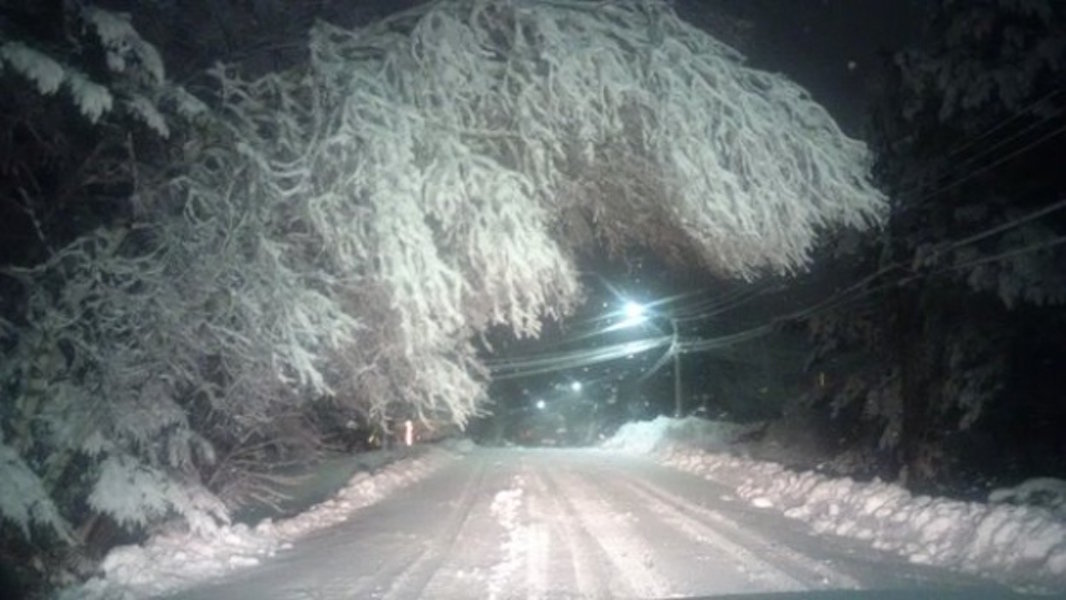
© Andrew MittonWet, heavy snow cut power to many parts of Nova Scotia Friday night and crews are still trying to restore electricity in about two dozen communities.
Heavy snowfall has left thousands of people without electricity and Nova Scotia power estimates it could take until midnight before crews are able to restore electricity to many homes in the northern part of the province, many of which have been in the dark since Friday evening.

About 51,800 customers were without power at 7:30 a.m. Saturday. The outages affect about two dozen communities and range from Yarmouth to Dartmouth, Tatamagouche to Sydney.

While some areas such as Bridgewater are expected to see power back on around noon Saturday, service to parts of Guysborough isn't expected to return until 5:45 a.m. on Sunday.

The Department of Transportation says crews are working to clear and salt roads, some of which received as much as 30 centimetres of snow.

It is advising that the main roads in Cape Breton are still covered in snow and visibility is poor.

Friday night Nova Scotia Power said the nor'easter's impact was interfering with crews' ability to repair power lines as the heavy snow pushed trees onto them.

Cloud Lightning

Lightning bolt kills 3 villagers in Zimbabwe

Lightning
A sombre atmosphere engulfed the Mutikwanda Village under Headman Chivhunze on Monday where three villagers were burnt beyond recognition after a lightning bolt struck a hut they were in.

Chipinge District police spokesperson, Assistant Inspector Blessing Kadzuraumera, confirmed the incident which occurred around 3pm. He identified the victims as Tulani Dube (35), Adam Chivhunze (25) and a Mozambican national, Tichaona Sithole (14).

When The Manica Post visited the area on Monday, villagers were still struggling to put off the fire which had gutted the thatched hut where the late villagers and two survivors were sitting.

Member of National Assembly for Chipinge Central, Cde Raymore Machingura, also toured the scene and assisted the affected families with coffins and transport for burial.

Police from Chipinge Urban and a hospital ambulance reacted swiftly and took the two survivors to Chipinge District Hospital where they were treated and discharged on Tuesday.

Arrow Down

Climate fraudsters exposed by new monsoon study

Monsoons Clouds
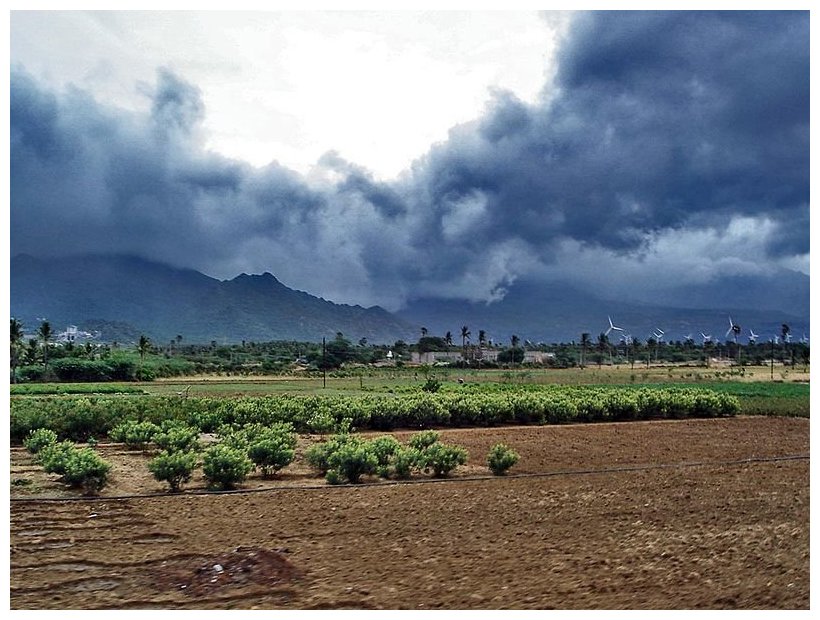
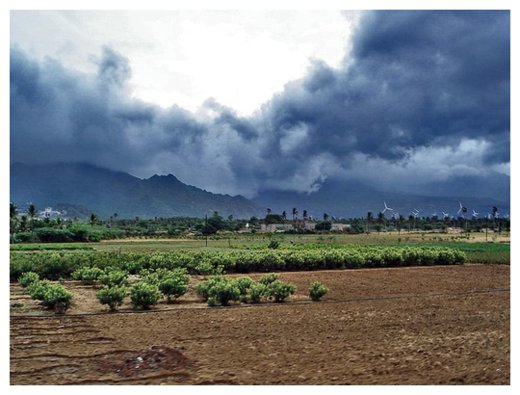
© Wikimedia CommonsAdvancing monsoon clouds and showers in Aralvaimozhy, near Nagercoil, India.
India's monsoon is in no danger of catastrophic collapse in response to global warming and air pollution, two atmospheric scientists said today, refuting earlier predictions that the monsoon could shut down within 100 years.

The scientists at Yale University in the US who used computers to model the Earth's atmosphere, land and oceans have found that the expected changes in the monsoon will not abruptly alter their strength or their water volume.

Their results contradict earlier forecasts by scientists at the Potsdam Institute for Climate Impact Research in Germany portending frequent and severe failures and even a breakdown of the monsoon, which is critical to India's food, water resources and economy.

"Our models show that monsoon rainfall will change smoothly in response to rising greenhouse gas concentrations, air pollution, and changes in land use," William Boos, an associate professor at Yale University told The Telegraph.

"We should expect changes in the monsoon rainfall in response to changes in the global mean temperature in the coming decades, but there is no reason to expect those changes to be abrupt," Boos said.

The earlier modelling exercises had predicted that the monsoon, under the influence of global warming and air pollution, would experience a "tipping point" that would lead to a sharp drop in rainfall over India.

Boos and his colleague Trude Storelvmo have now shown that the theory and models that were used to predict such "tipping points" had omitted a key term in climate behaviour, ignoring the fact that air cools as it rises in the atmosphere.

The scientists described their results this week in the Proceedings of the National Academy of Sciences, a US research journal.

Cloud Precipitation

2 months' worth of rain in an hour results in flash floods, Geelong, Australia

Flash floods in Geelong, Victoria, Australia, January 2016.
© VICSESFlash floods in Geelong, Victoria, Australia, January 2016.
A storm in Geelong, Victoria, Australia on 27 January 2016 dumped more than double the January monthly average rain on parts of the city in just 1 hour.

Avalon, a suburb of the city, recorded 72 mm of rain between 16:00 to 17:00 local time on 27 January. Geelong Racecourse recorded over 40 mm of rain between 15:00 and 17:00.

The rain caused severe flash flooding throughout the city and suburbs. Emergency services responded to over 500 requests and had to carry out 15 flood rescues.

The City of Greater Geelong said that "Yesterday's storm was considered a 1 in 100 year event with double the January monthly average rain falling in just 1 hour".

Stefan Delatovic, Manager of Emergency Management Communications for Victoria State Emergency Service (VICSES) said:
"This dramatic storm has been characterised as a "once in a century event", but it's important to say that this is a measure of magnitude, as in 'a storm this severe has a one-in-100 chance of occurring in any given year'. It doesn't mean another storm like this isn't expected for another 50 years. More rain is forecast for today, another storm like this could pop up anywhere in Victoria with little warning".


Red Flag

El Nino wreaking havoc on Pacific Coast from Chile to California

California falling into the ocean
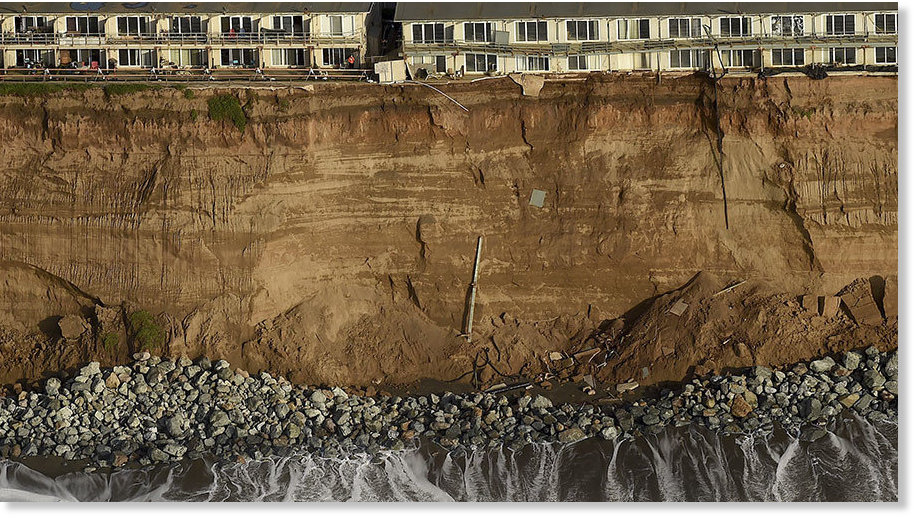
© Noah Berger / ReutersUninhabitable apartment buildings, in danger of collapsing into the Pacific Ocean, line Esplanade Ave. in Pacifica, California January 26, 2016. The city has marked three apartment complexes uninhabitable as El Nino storm erosion eats away at the coastal bluff beneath them
The extreme weather patterns observed during El Nino show no sign of abating, with large tidal waves and unusual rainfall continuing to hit Pacific coastal regions.

The Californian city of Pacifica has declared a local emergency due to cliff erosion caused by El Nino.

Ocean currents are currently battering the city's shoreline - and putting hundreds of residential properties at risk of collapsing into the sea.

Astonishing video captured from a drone reveals the terrifying extent of erosion.


The footage shows heaps of soil crumbling from the cliffside, undercutting apartments which hang precariously above on Esplanade and Palmetto Avenue.