Animals
S


Butterfly

Study: Britain's urban butterfly population decreases 69% in 20 years

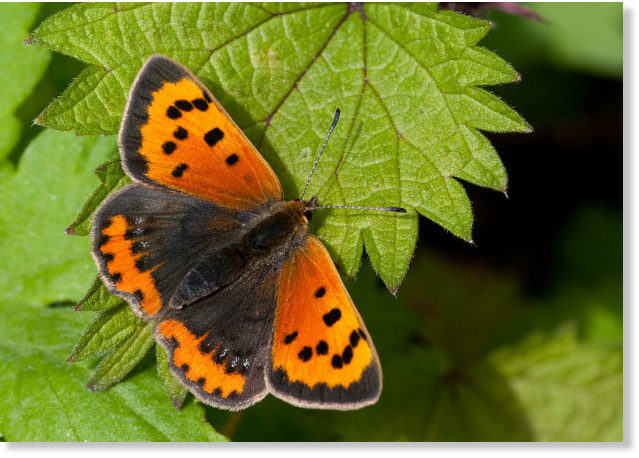
Small copper
Small copper
Butterflies are disappearing more rapidly from British towns and cities than from the countryside, according to a new study taken over the last 20 years. The research blames a multitude of factors for the decline, including climate change.

The study, published in the May 2017 issue of journal Ecological Indicators, found that the number of urban butterflies fell by 69 percent over a 20 year period beginning in 1995, compared to a 45 percent decline in rural areas.

The study compared trends for 28 species in urban and countryside environments and found that 25 of those species had declined by more in city environments.

In particular, the research found that the Small Copper and Small Heath species suffered the biggest city declines.

The Small Heath's population fell by 78 percent in urban areas, compared to just 17 percent in the countryside. Small Copper numbers dropped by 75 percent in urban areas, compared to 23 percent in non-urban environments.

Comment: See also: Record low number of UK butterflies a 'shock and a mystery'


Hearts

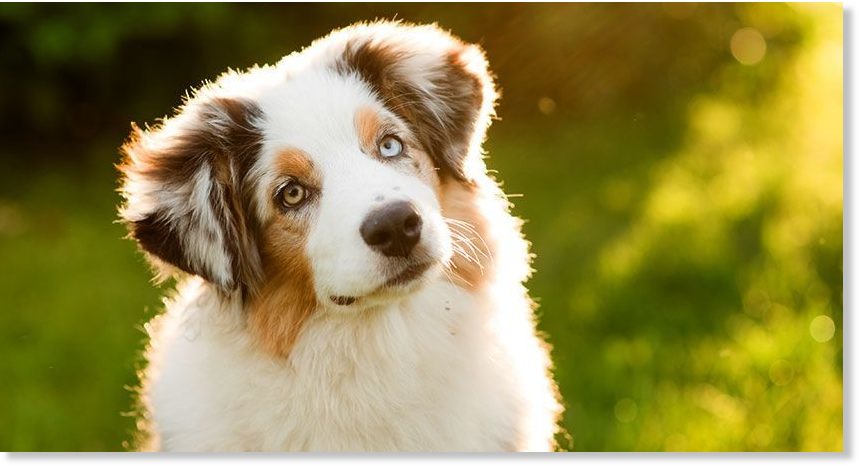
Experiments suggest that monkeys and dogs have a human-like sense of morality

doggie observation
A team of researchers from Kyoto University has found that dogs and capuchin monkeys watch how humans interact with one another and react less positively to those that are less willing to help or share. In their paper published in the journal Neuroscience & Biobehavioral Reviews, the team describes a series of experiments they carried out with several dogs and capuchin monkeys and what they discovered about both species social preferences.

Common sense suggests that most people prefer to deal with other people who are fair and in some cases, helpful. In this new effort, the researchers sought to learn if the same might be true of dogs and capuchin monkeys regarding human interactions. To that end, they set up three experiments designed to test how dogs and monkeys reacted to humans behaving rudely.

Arrow Down

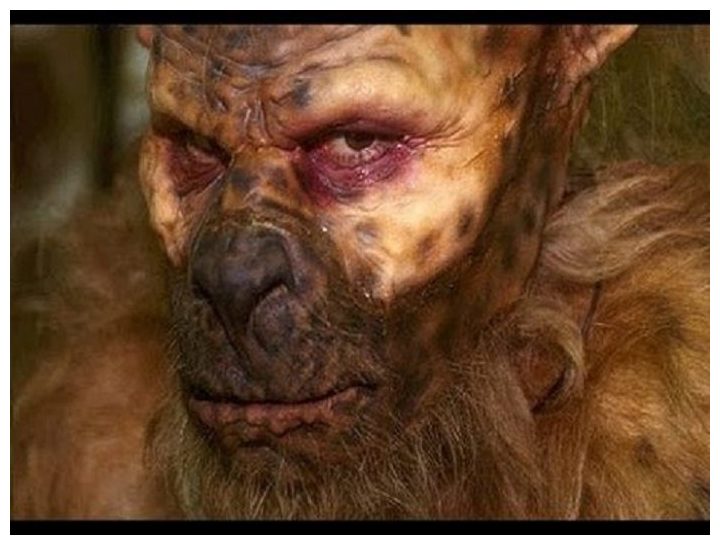
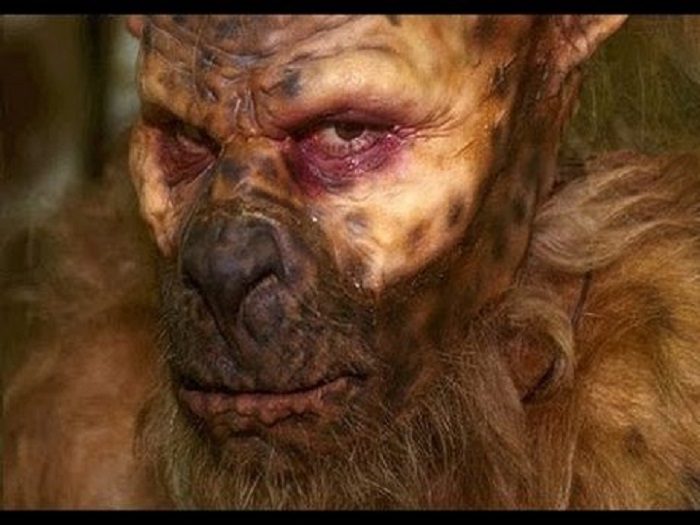
The age of human-animal hybrid chimeras has begun

Hybrid
© YouTube Screen Capture
Human-animal mutant creatures make for great material for science fiction writers, but we aren't supposed to be creating them in the real world. In so many ways, the technological advancements that we have made as a society are outpacing our ability to handle those advancements, and this field is certainly a glaring example of that reality. Just because we can create human-animal hybrid chimeras does not mean that we should. Genetic modification is a particularly dangerous science, because we are literally tinkering with the future of our planet. And when it comes to humans and animals, those are two things that definitely should not mix. Unfortunately, they are being mixed, and this could have enormous implications as our society plunges into a very uncertain future.

During all of the chaos surrounding the 2016 presidential election, a stunning announcement by the National Institutes of Health went unnoticed by almost everyone. The following comes from a Huffington Post article entitled "The Island of Dr. Moreau For Real"...
In August 2016, the National Institutes of Health announced that it was lifting its ban on research that introduces stem cells from humans into animal embryos. Stem cells have the ability to evolve into any human cell and can grow into any human tissue. The goal of this type of research is to grow human tissues and eventually human replacement organs in animals. What an innovative way to improve upon transplantation medicine! But to realize this potential, we would create an organism that is part animal and part human! These hybrids are the stuff of ancient mythology. These mixtures of different animals are called chimeras after the mythical ancient Greek creature that was part lion, snake and goat. One goal of today's research is to produce tissues and organs for experimentation that will improve our understanding of human disease. An alternative and longer term goal would be to produce organs directly for human transplantation. Imagine an infinite source of human organs - one wears out and you produce a new one as a replacement.
When human stem cells are introduced into an animal embryo, that creature becomes part human.

So does a part-human creature have rights?

If so, how do those rights differ from those of a full human?

Attention

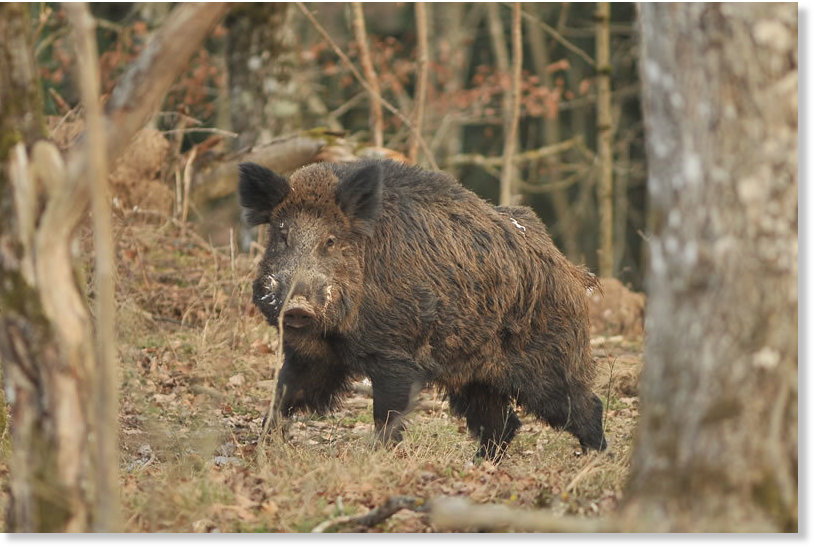
Farmer critically injured by wild boar in Odisha, India

Wild boar
A 22-year-old farmer was injured after a wild boar attacked him at Suniti village within Mahakalpada police station jurisdiction, police said.

The incident occurred yesterday when Budhadeb Bera (22) was returning home after working in his field.

"The animal might haves sneaked into the village to eat crops and standing vegetable plants as the place is located in close vicinity of forest areas and habitation corridors of these animals," said Divisional Forest Officer, Bimal Prasana Acharya.

Bera was critically injured and was hospitalised.

Attention

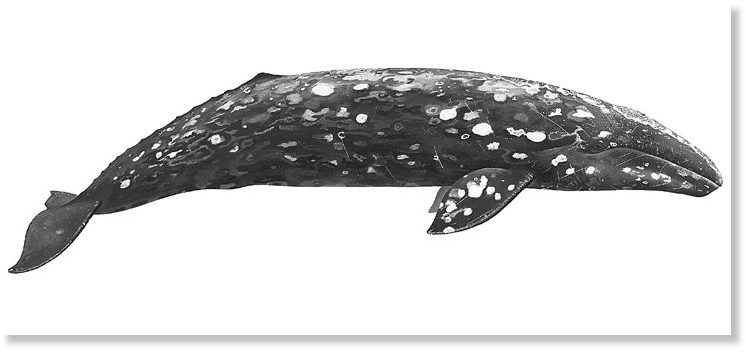
Dead gray whale washes up on Montara Beach, California

Gray whale
Gray whale
A roughly 20-foot-long gray whale washed up on Gray Whale Cove State Beach in Montara over the weekend.

On Sunday, a team from the Marine Mammal Center went out to collect skin samples and found the mammal's back tail — or fluke — was missing, said Giancarlo Rulli, spokesman for the Sausalito-based center.

The team also found evidence of shark bites, which were likely incurred after death, Rulli noted.

Comment: This is the second young gray whale found dead on the coast of California within 2 weeks, see also this other report: Dead newborn gray whale found in Redondo Beach, California


Sun

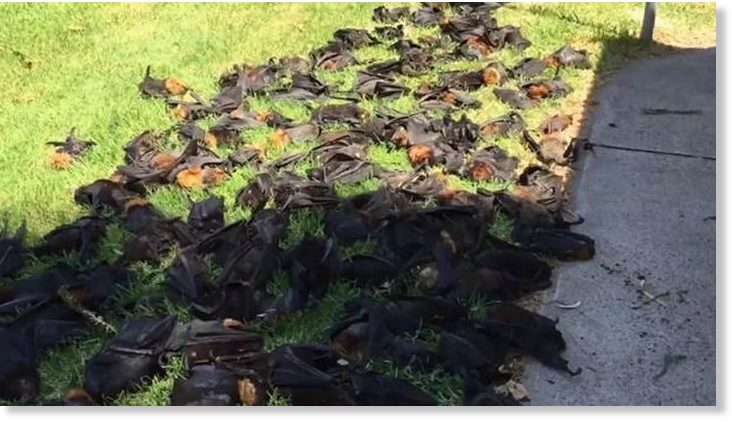
Over 700 flying foxes 'cooked' during heatwave in Singleton, Australia

Some of the bats were found lifeless hanging from the trees, while others littered the grounds of the town's central park.
More than 700 flying foxes have died during a heatwave in the New South Wales Hunter region town of Singleton, with many of their corpses still hanging from trees.

The mass death at the Burdekin Park colony began Friday and peaked as temperatures hit 47C over the weekend, Wildlife Aid Inc bat coordinator Jaala Presland told 9news.com.au.

Video shows the native animals' lifeless bodies hanging upside down from trees and littering the ground of the town's central park.


"We had half a dozen [live bats brought in] on Friday evening. Saturday we knew the temperatures were looking high again and we had 80 come in, and the death was sort of starting to tally," Ms Presland said.

Question

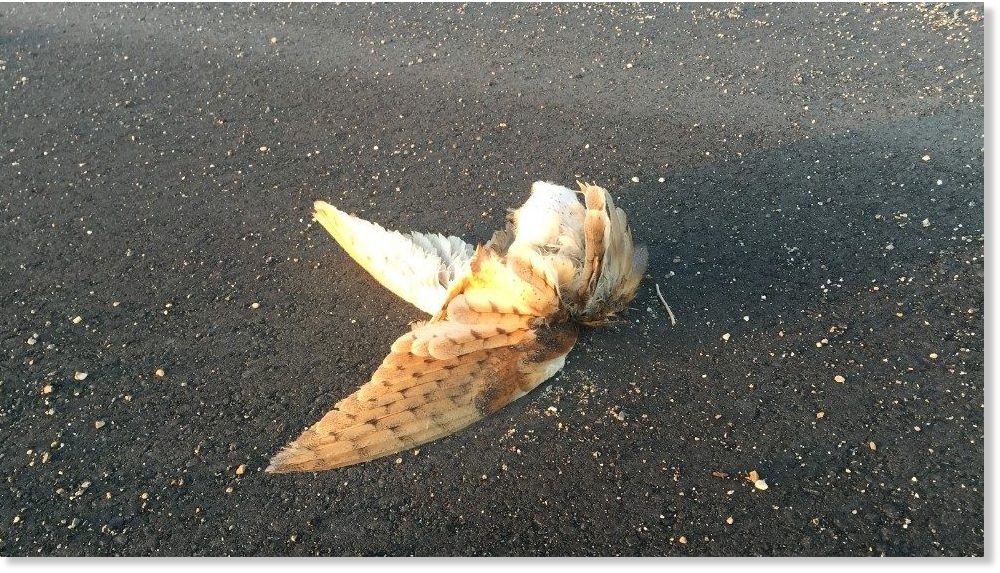
50 dead owls seen along 20-mile stretch of Interstate-84 near Jerome, Idaho

Dead barn owl
Dead barn owl
Dozens of dead owls have been reported by drivers along Interstate-84 in southern Idaho making for an eerie stretch of road.

Over the weekend, Nichole Miller and Christina White of Boise were driving home to Boise from Twin Falls when they spotted some road kill along the interstate.

"I saw a bird on the side of the road -- I thought it was a chicken," Miller said. "But then we saw more (road kill) and I saw the stripes on the feathers and it was not a chicken."

It was definitely, an owl, she said. And it wasn't the only one.

Wolf

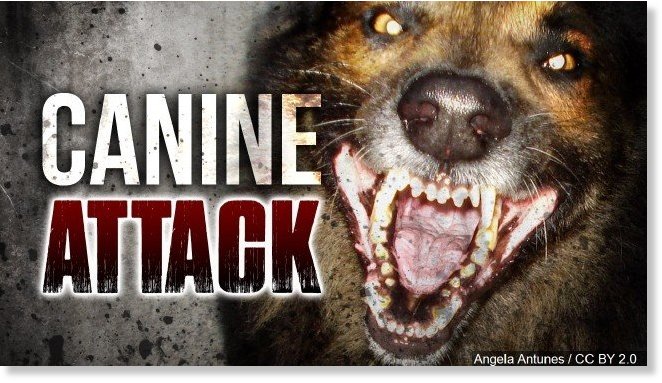
Dog attacks on farm livestock reach record levels in the UK

Dog attack
Dog attacks on livestock have reached record levels with more than 1,000 reports of sheep and cattle worrying on farms in 2016 at an estimated cost of £1.4m.

The alarming figures sparked a warning from rural insurer NFU Mutual with the firm calling on the public to do more to prevent dogs worrying livestock.

With many families expected to visit the countryside during half-term and the Easter holidays, the insurer is asking dog owners always to keep their pets on a lead.

The public has been urged to report out-of-control dogs to a local farmer or the police.

Attention

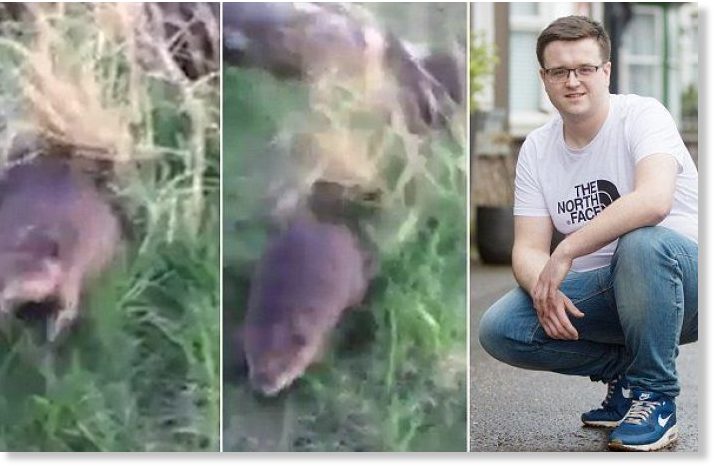
Chef is attacked by a wild beaver near Kirriemuir, Scotland

beaver attack
Wildlife experts yesterday issued a safety warning - after a chef was attacked by a wild beaver.

Ross Smith was driving along a country road with his friends when they spotted a mysterious brown creature on the grass verge.

When the 20-year-old got out of the car and went to investigate, the animal turned nasty and, snarling, leapt at him.

The 3ft long beaver is believed to be one of a colony of the animals living wild in Lintrathen Loch, near Kirriemuir in Angus.

Extraordinary mobile phone camera footage of Mr Smith's encounter now been posted on the internet, prompting a leading academic to warn the public not to approach the furry rodents.

Although it is not clear what provoked the beaver to attack, one of his friends can be heard asking: 'Is that a platypus?'

Mr Smith, who works in a cafe in Edzell, captured the encounter on his mobile phone and shared it online.

Fortunately he was not hurt by the animal, which he estimated to be about a 3ft (1 metre) long and to weigh about 25-30kg (55-66lbs).

Wolf

Woman, 75, dies after mauling by family mastiff in Queens, New York

Dog attack
A 75-year-old Queens woman died Monday after she was mauled by her dog, a hulking mixed-breed mastiff she'd planned to put to death because he was too aggressive, police sources and neighbors said.

Victim Louise Hermida's autistic 39-year-old son, Daniel Ferraro, was also bitten by the bloodthirsty pet, named Boss, and suffered minor leg injuries.

The horrifying attack by the powerful mastiff-Great Dane mix happened just past midnight in the family's Long Island City home on 27th St., neighbors said.

Hermida was bitten in her upper torso and found at the bottom of the basement steps in her two-story townhouse, sources said.