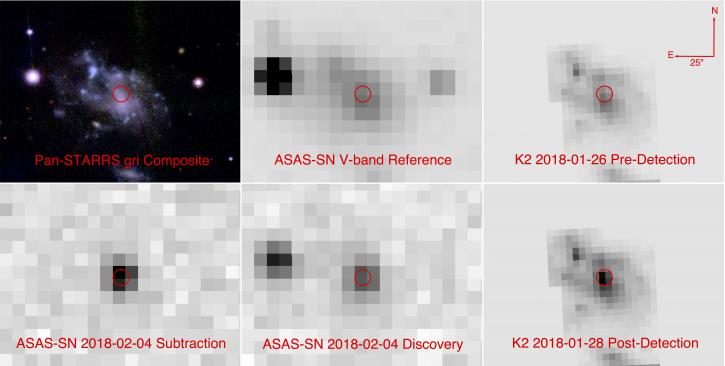
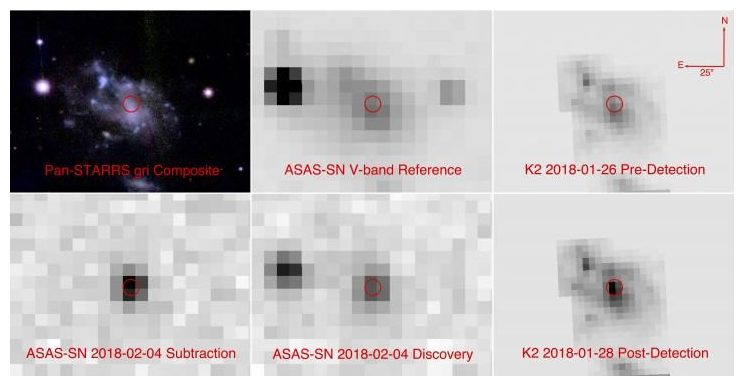
© Carnegie Institution for ScienceSix images showing the host galaxy of the newly discovered supernova ASASSN-18bt. The top row shows three images from before the explosion taken by Pan-STARRS, ASAS-SN, and Kepler. The bottom row shows images from ASAS-SN and Kepler after the supernova was visible. The discovery image from the ASAS-SN team is in the bottom middle. To its left is a version with all the surrounding stars eliminated, showing only the new supernova’s light output. On the bottom right is a Kepler image from after the supernova was detected. Kepler’s precision was crucial to understanding the light from ASASSN-18bt in the early hours after the explosion.
Pasadena, CA
- A supernova discovered by an international group of astronomers including Carnegie's
Tom Holoien and
Maria Drout, and led by University of Hawaii's Ben Shappee, provides an unprecedented look at the first moments of a violent stellar explosion. The light from the explosion's first hours showed an unexpected pattern, which Carnegie's
Anthony Piro analyzed to reveal that
the genesis of these phenomena is even more mysterious than previously thought.Their findings are published in a trio of papers in
The Astrophysical Journal and
The Astrophysical Journal Letters. (You can read them
here,
here, and
here.)
Type Ia supernovae are fundamental to our understanding of the cosmos. Their nuclear furnaces are crucial for generating many of the elements around us, and they are used as cosmic rulers to measure distances across the universe. Despite their importance, the actual mechanism that triggers a Type Ia supernova explosion has remained elusive for decades.
That's why catching them in the act is crucial.
Astronomers have long tried to get detailed data at the initial moments of these explosions, with the hope of figuring out how these phenomena are triggered. This finally happened in February of this year with the discovery of a Type Ia supernova called ASASSN-18bt (also known as SN 2018oh).


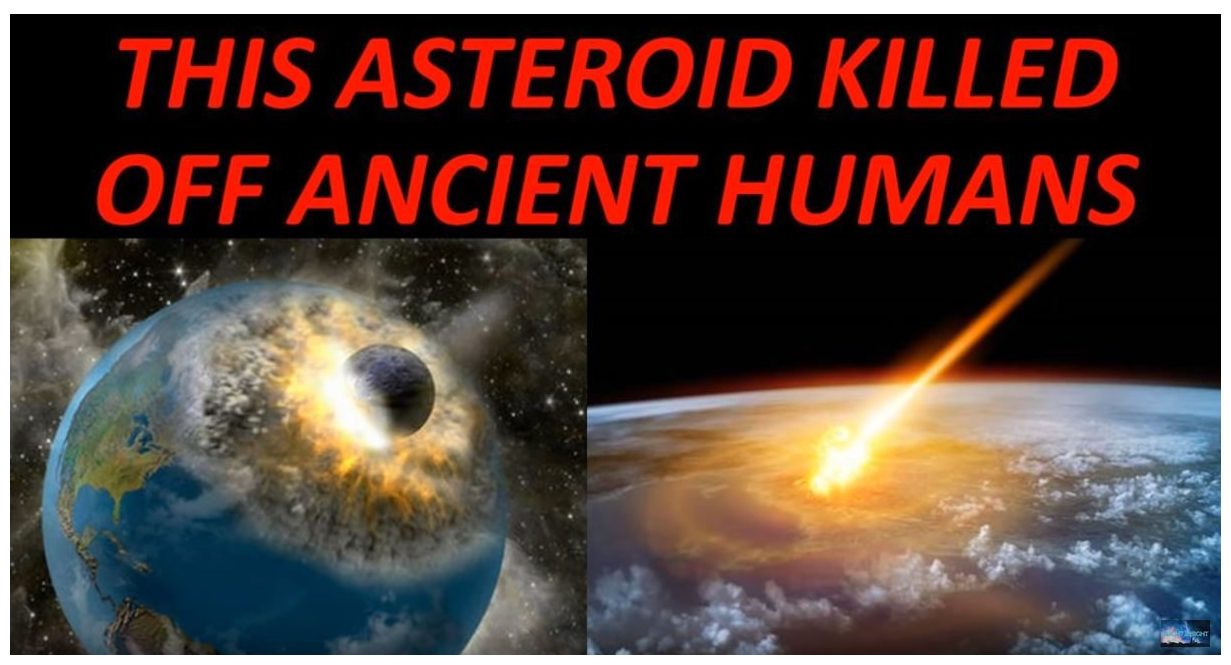

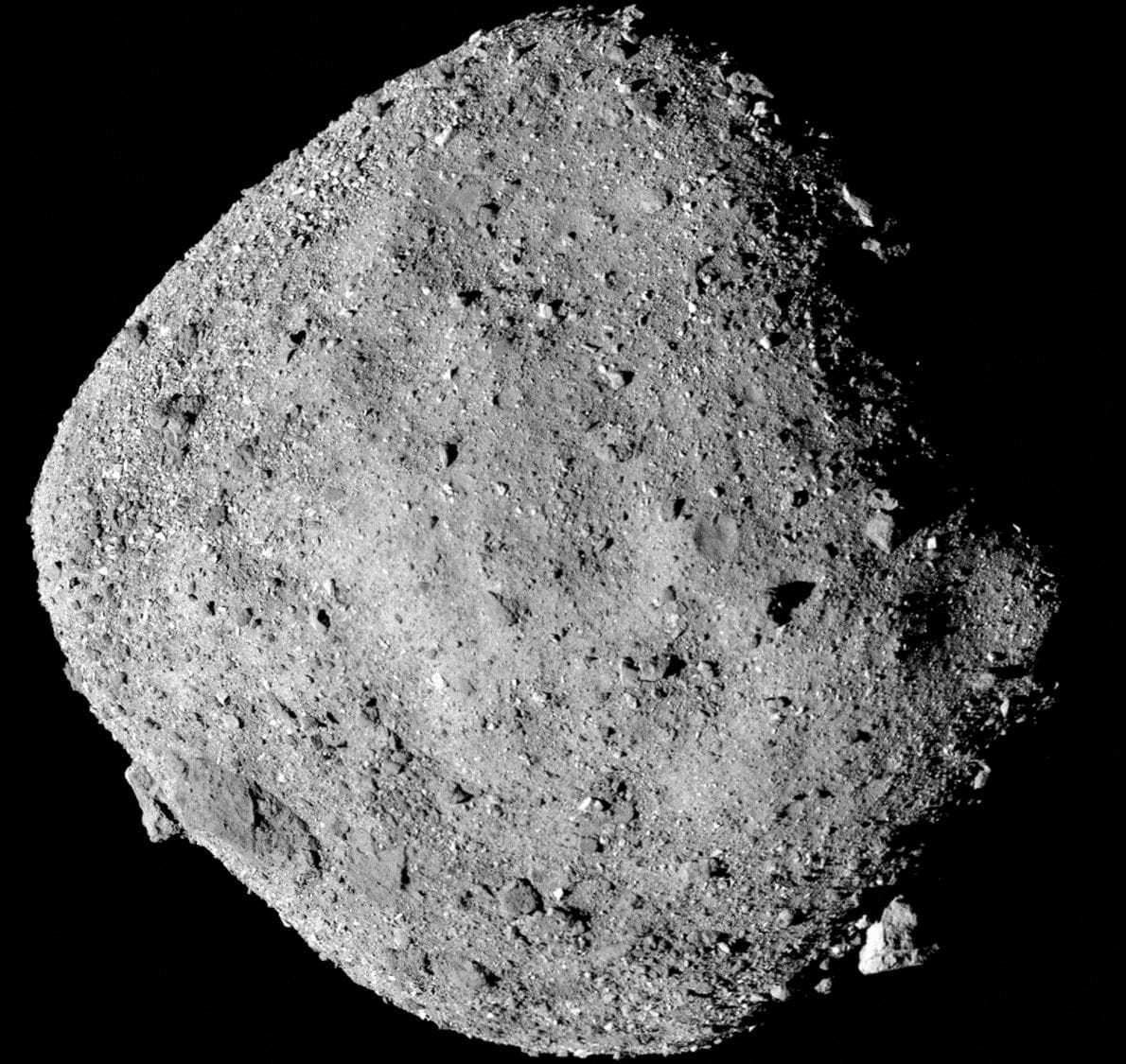
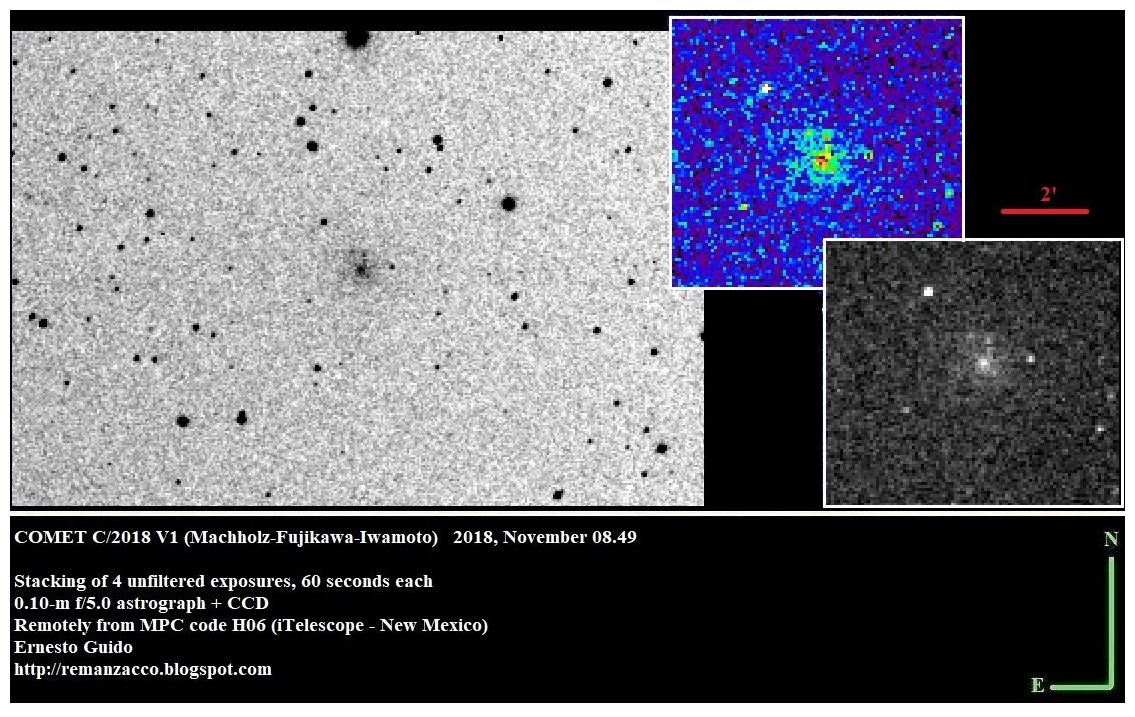

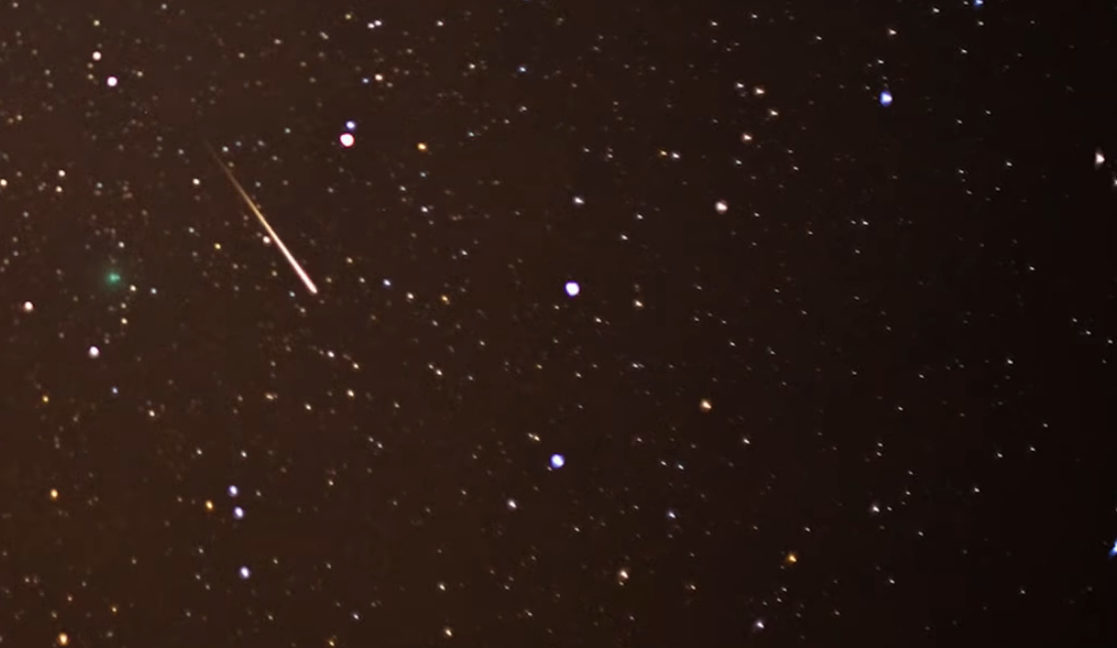





Comment: Scientists should be held accountable for propagating such ignorance and wishful thinking. The threat of cyclical cometary catastrophes is very real, it has been well documented by peoples throughout history and it is clearly evident in the archaeological record:
- Tunguska, Psychopathy and the Sixth Extinction
- Tunguska, the Horns of the Moon and Evolution
- Prehistoric cave art study reveals ancient people had complex knowledge of astronomy and were tracking catastrophic meteor showers
- Of Flash Frozen Mammoths and Cosmic Catastrophes
- Something Wicked This Way Comes
- 536 AD: Plague, famine, drought, cold, and a mysterious fog that lasted 18 months
And to hear what the historical records have to say on the matter, check out SOTT radio's: Behind the Headlines: Who was Jesus? Examining the evidence that Christ may in fact have been Caesar!