© Jagoush - Shutterstock
The research, which appears in the journal Science Advances, examined the end-Permian mass extinction (EPME), which was the most severe extinction event in the past 500 million years, wiping out 80 to 90 percent of species on land and in the sea.
"As we look closer at the geologic record at the time of the great extinction, we are finding that the end-Permian global environmental disaster may have had multiple causes among marine and non-marine species," says Michael Rampino, a professor in New York University's Department of Biology and one of the authors of the paper.
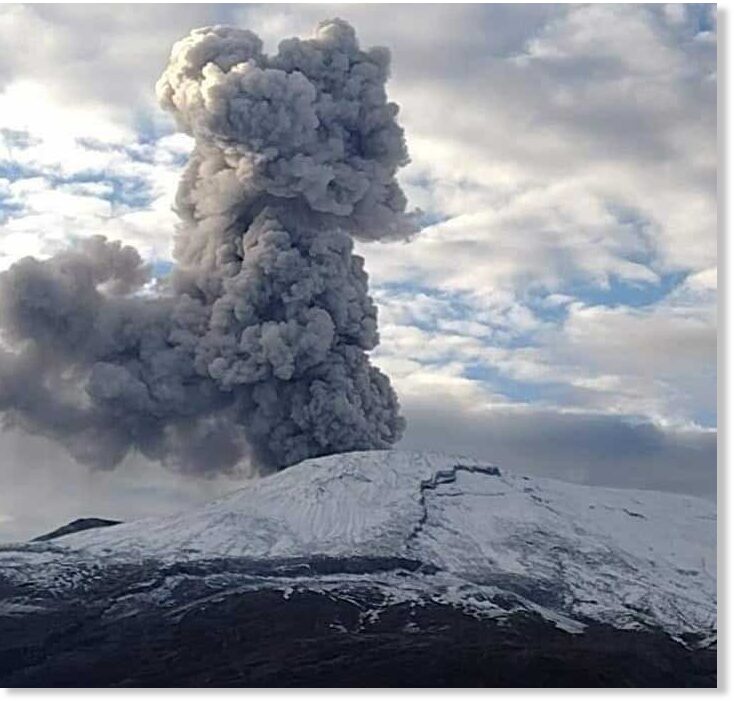
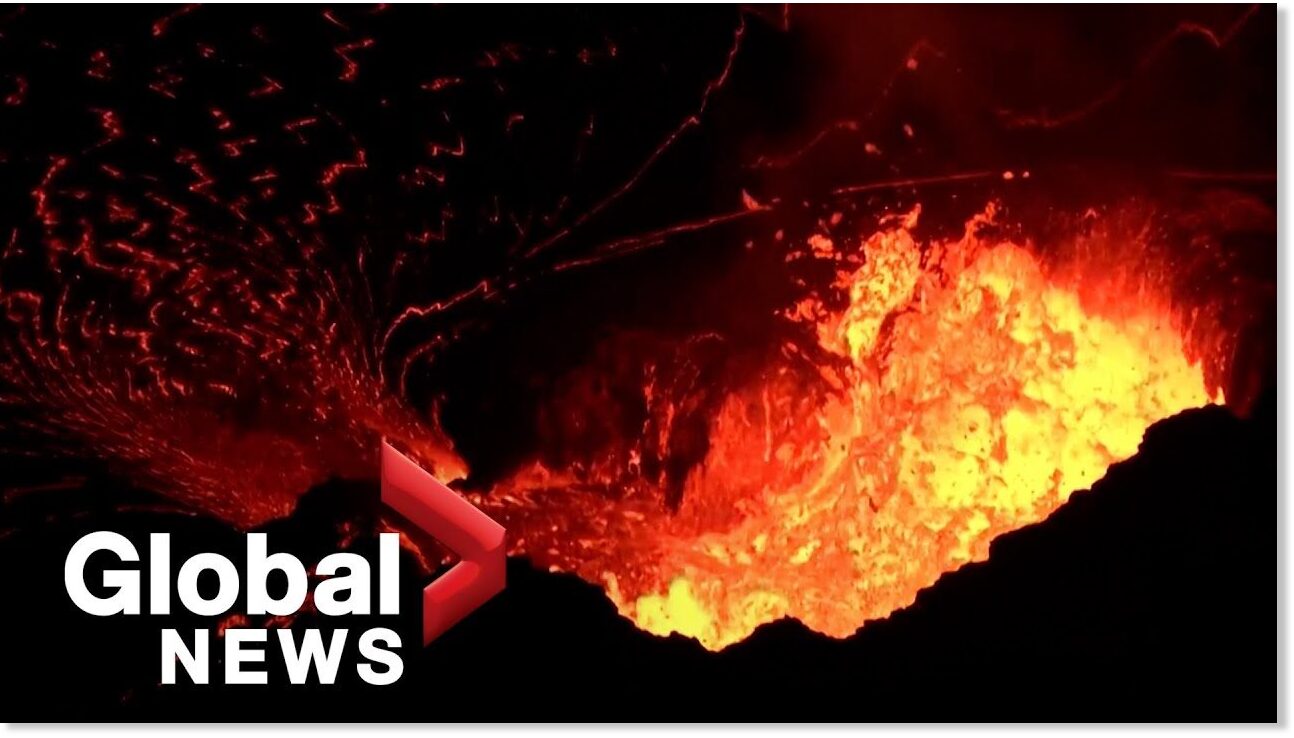
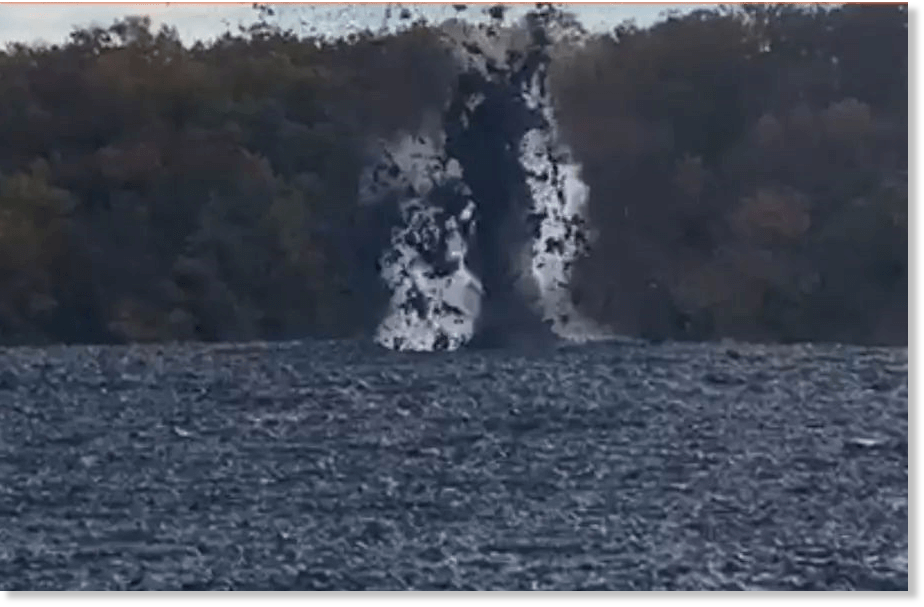
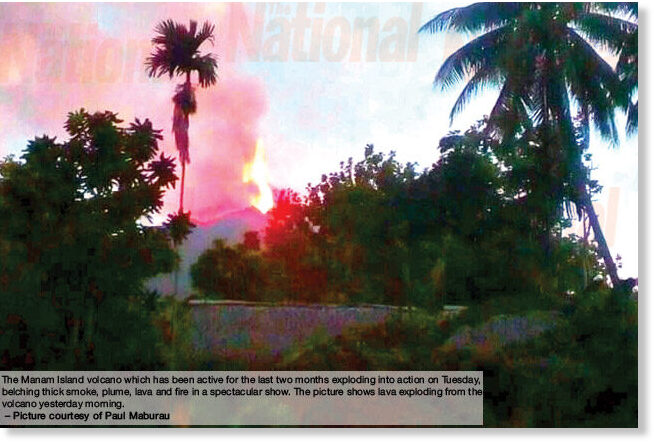
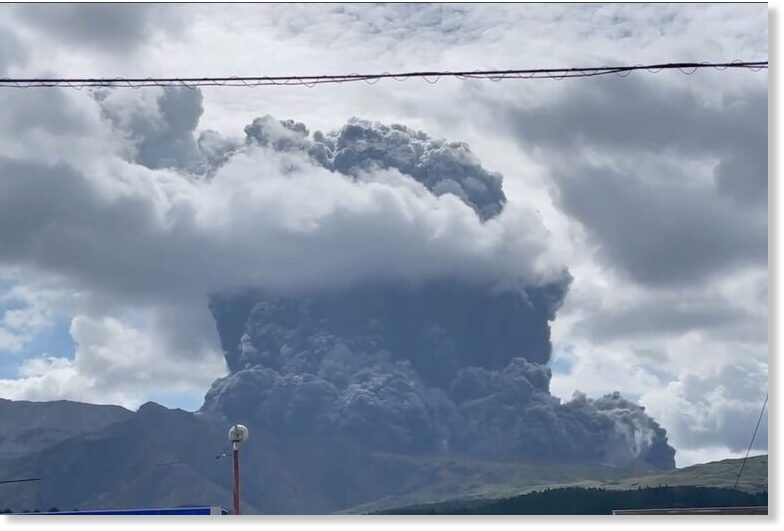
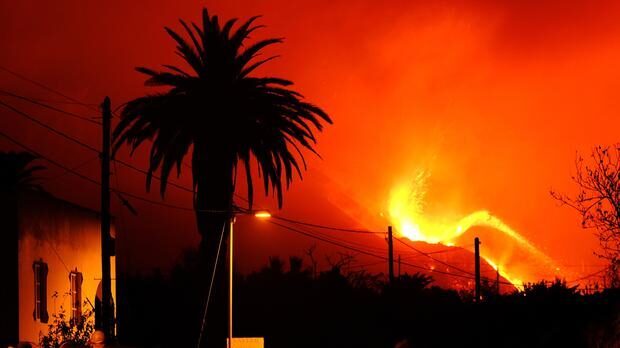
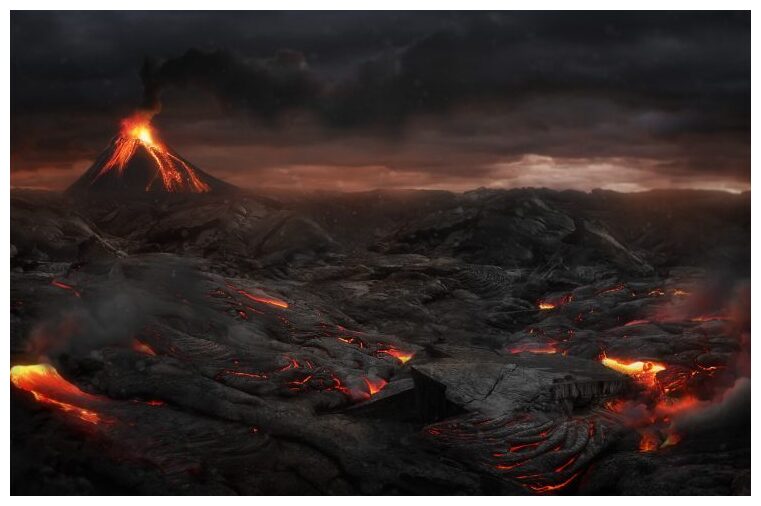
For decades, scientists have investigated what could have caused this global ecological catastrophe, with many pointing to the spread of vast floods of lava across what is known as the Siberian Traps--a large region of volcanic rock in the Russian province of Siberia. These eruptions caused environmental stresses, including severe global warming from volcanic releases of carbon dioxide and related reduction in oxygenation of ocean waters--the latter causing the suffocation of marine life.