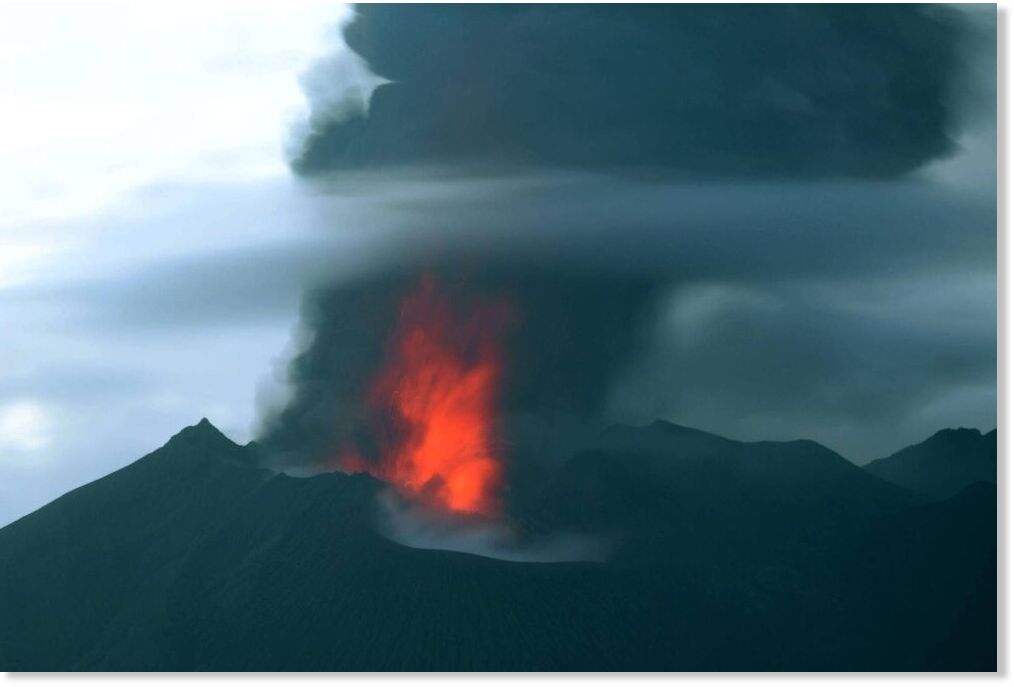
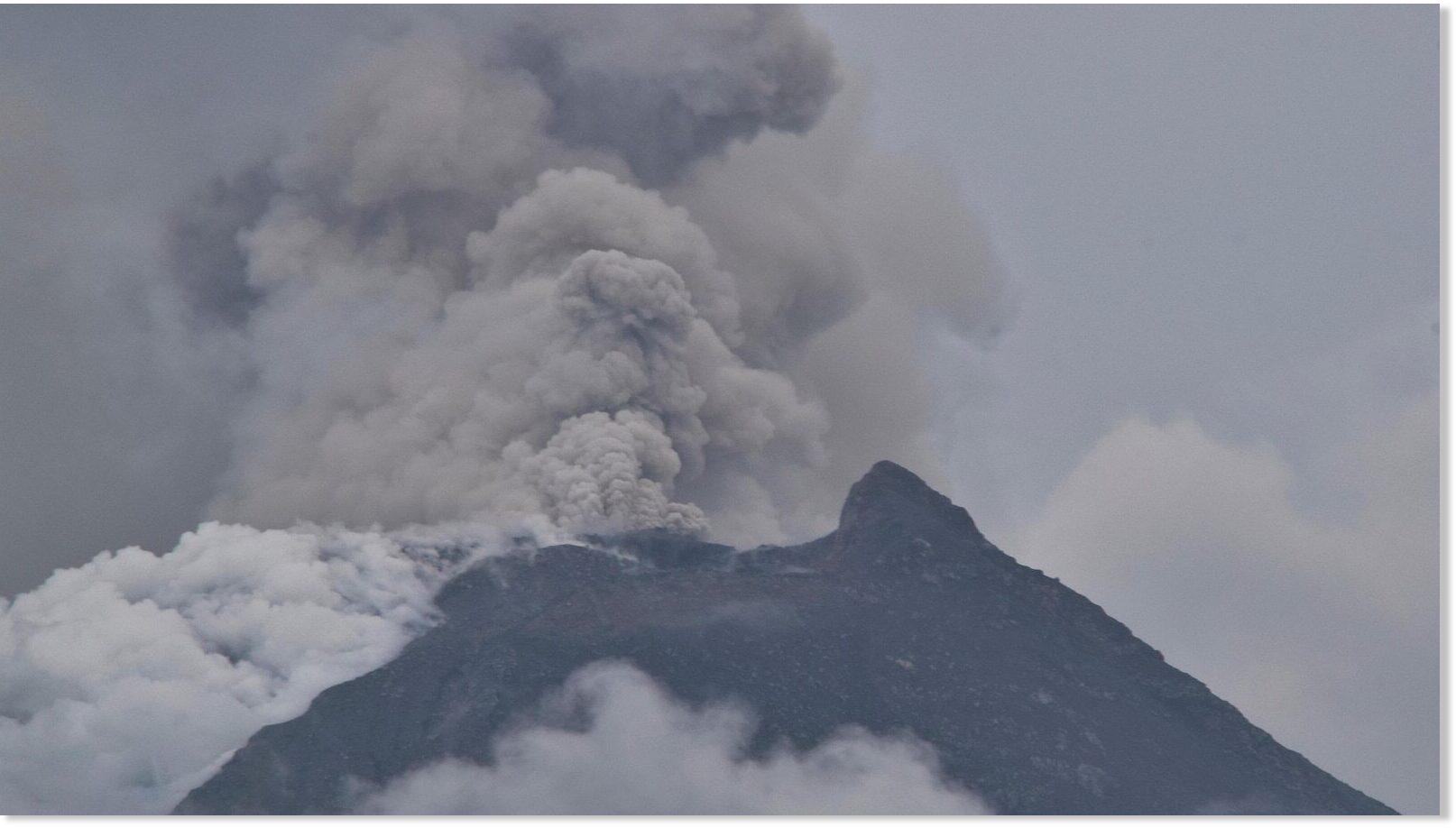
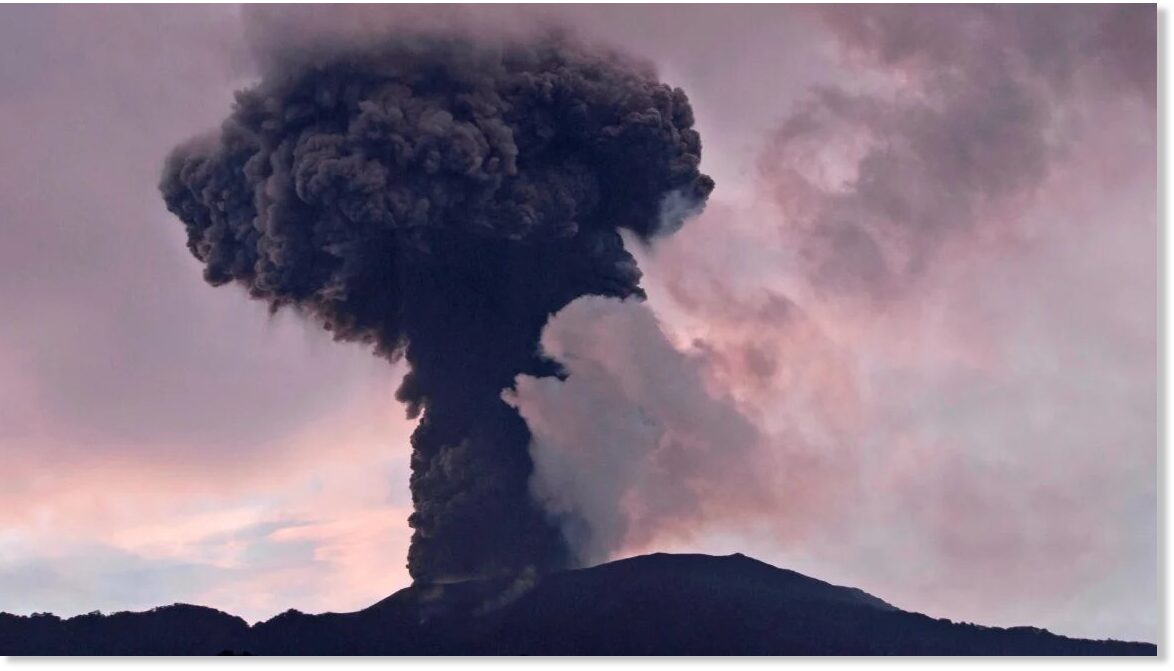
The eruption of a volcano on Sakurajima in Kagoshima Prefecture on Wednesday.
A volcano on Sakurajima in Kagoshima Prefecture erupted Wednesday, with plumes rising to 5,000 meters above the summit crater for the first time since 2020, a local weather observatory said.
There were no immediate reports of injuries and damage to buildings, the prefectural government said, while the Kagoshima Meteorological Office maintained the volcanic activity alert level at three, urging people not to approach the volcano.
The Japan Meteorological Agency forecast volcanic ashes to fall in parts of Kumamoto, Miyazaki and Kagoshima prefectures.
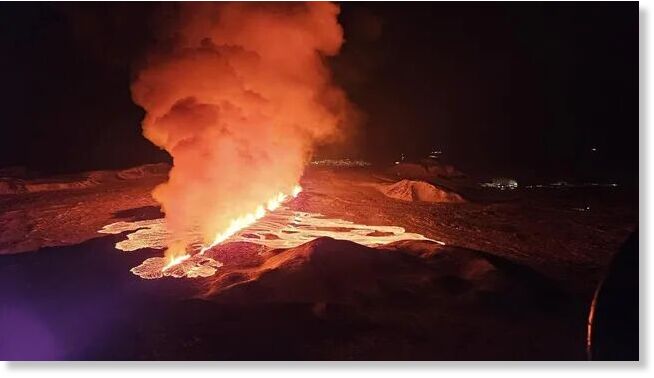
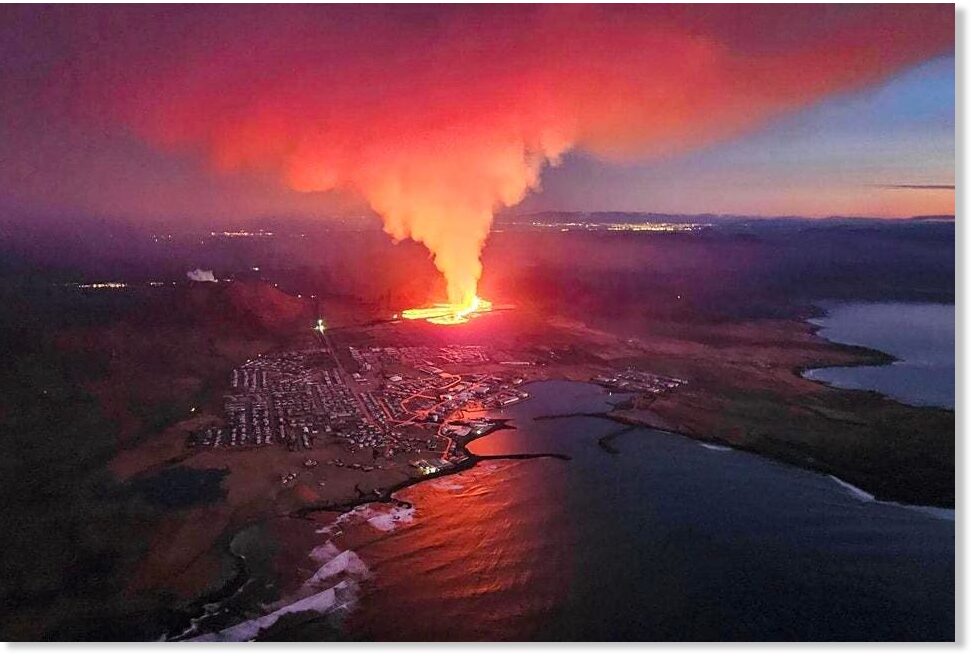
A volcano in southwestern Iceland erupted about two miles away from Grindavik, the town evacuated ahead of a previous eruption in December. Officials said there was no immediate threat to the population.
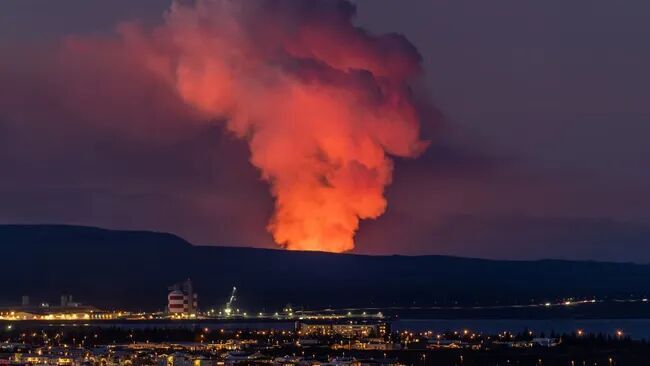
Magma continues to accumulate in a chamber beneath Svartsengi and has now reached levels thought to have triggered the volcanic eruption that sent lava flowing into Grindavík on Jan. 14.
The risk of a volcanic eruption on Iceland's Reykjanes Peninsula is once again growing as magma continues to pool in the area 2.5 miles (4 kilometers) north of the fishing town of Grindavík, according to the Icelandic Met Office (IMO).
An estimated 318 million cubic feet (9 million cubic meters) of magma now sits beneath Svartsengi, which is home to the Blue Lagoon resort and Svartsengi geothermal power plant. That's equivalent to the volume of around 3,600 Olympic-sized swimming pools.
Ma. April Mier-Manjares, Rey Anthony Ostria Inquirer.net Mon, 05 Feb 2024 15:52 UTC
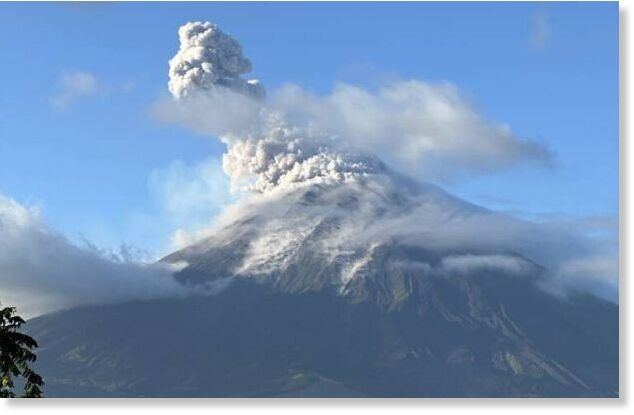
Mayon Volcano in Albay spews ash reaching up to 1.2 kilometers, as viewed from the village of Tagas in Daraga, Albay, on Sunday.
Residents of communities in Albay province close to Mount Mayon were told to stay vigilant after ash column reaching up to 1,200 meters or 1.2 kilometers (km) from its crater on Sunday.
The phreatic eruption lasted from 4:37 p.m. to 4:40 p.m., Paul Alanis, the Philippine Institute of Volcanology and Seismology (Phivolcs) Mayon Volcano Observatory resident volcanologist, told the Inquirer in a phone interview.
Alanis said that the ash column has drifted to the southwest portion of Mayon Volcano to the direction of the towns of Daraga, Camalig and Guinobatan.
Mayon Volcano had its warning status lowered from alert level 3 (high level of volcanic unrest) to 2 (moderate level of volcanic unrest) on Dec. 8, 2023.Despite this recent activity, Alanis said the volcano will remain on alert level 2.
The resilient community of Grindavik has for the past weeks and months experienced the relentless forces of nature, once again proving why Iceland is often called the "Land of Fire and Ice."
Three homes in this town on the Reykjanes peninsula in southwest Iceland were destroyed last month when molten lava spewed through two fissures created by the Svartsengi volcanic system.
Once a thriving fishing village with vibrant sports teams and a youthful population, Grindavik now lies empty. Its people have fled and are beginning to face up to the realisation they may never be able live there again.
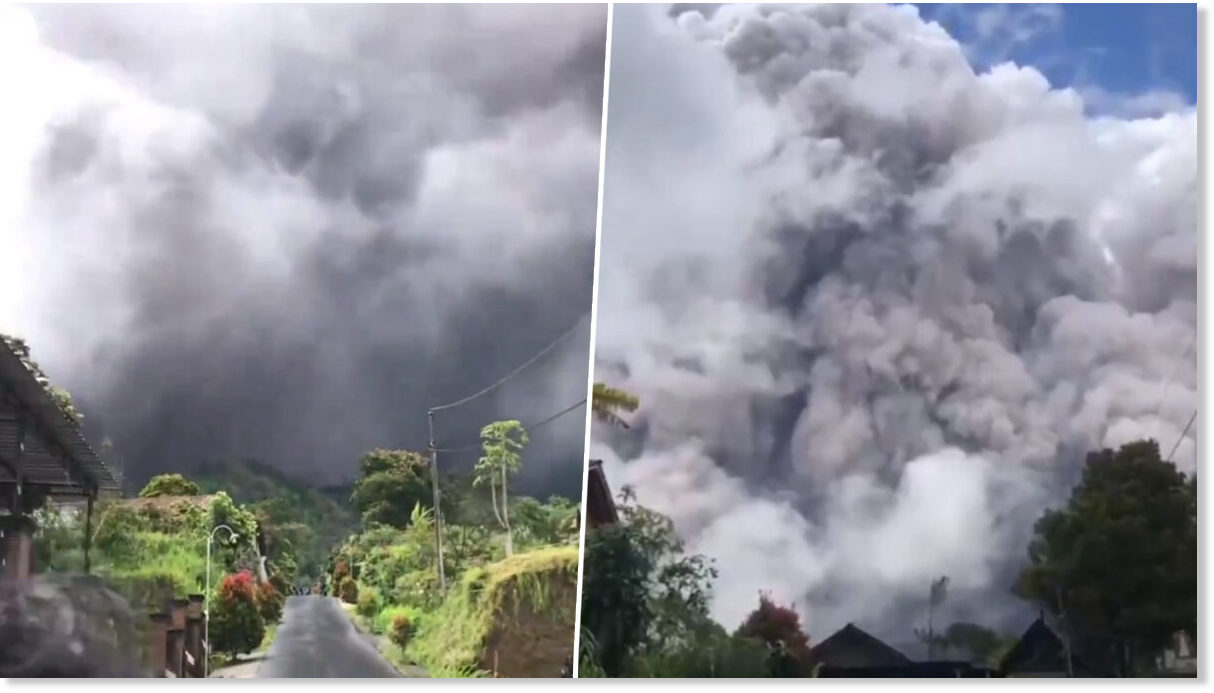
Indonesia's Mount Merapi erupted Sunday, spreading searing gas clouds and avalanches of lava down its slopes as other active volcanoes flared up across the country, forcing the evacuation of thousands.
On the densely populated island of Java, Merapi unleashed clouds of hot ash and a mixture of rock, and lava that traveled up to 2 kilometers (1.2 miles) down its slopes, said Agus Budi Santoso, the head of Indonesia's Geological Disaster Technology Research and Development Center. A column of hot clouds blasted 100 meters (about 109 yards) into the air as ash blanketed several villages without casualties, he added.
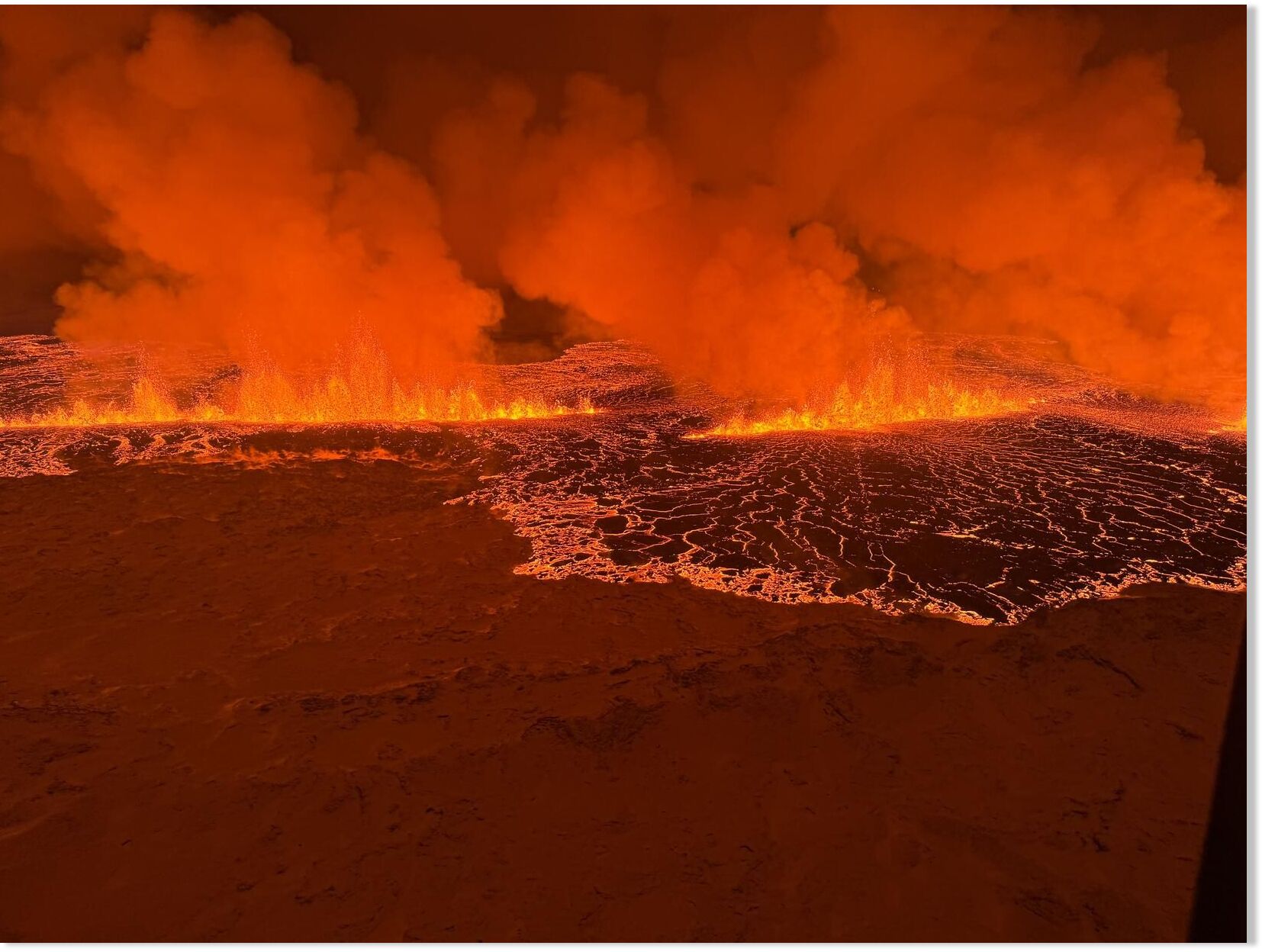
Houses have caught fire in the fishing town of Grindavík in south-west Iceland after a volcano erupted for the second time in less than a month.
Two fissures formed near the town on Sunday after an increase in seismic activity that prompted authorities to evacuate the community the day before.
A first eruption began at 8am when a crack opened in the ground about 450 metres from the town. Protective barriers of earth and rock pushed lava from the first fissure away from the town. However, a second crack then opened around midday on the edge of town, measuring around 100 metres by the evening, with that lava engulfing the homes.
Urvi Dugar, Kantaro Komiya Reuters Sun, 14 Jan 2024 13:15 UTC
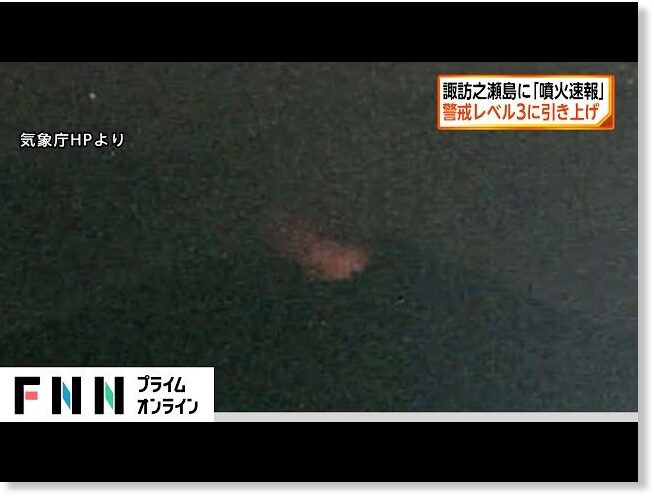
A volcano has erupted on the remote island of Suwanosejima in southwestern Japan, the government said early Sunday.
No damage has been confirmed due to the eruption, public broadcaster NHK reported, citing a local police station in Kagoshima prefecture.
The government later issued a level 3 volcanic alert - out of 5 - for Suwanosejima, restricting the entrance to dangerous areas surrounding the volcano.
Reporting by Urvi Dugar in Bengaluru and Kantaro Komiya in Tokyo; Editing by Toby Chopra and Mark Potter
Mount Lewotobi Laki-Laki spews volcanic materials from its crater during an eruption in East Flores, Indonesia, Sunday, Jan. 14, 2024.
Indonesian authorities have evacuated about 6,500 people on the island of Flores after Mount Lewotobi Laki-laki volcano spewed thick clouds of brownish ash over the past few days.
No casualties or major damage have been reported so far.
The eruptions in East Nusa Tenggara province are part of hot gas spills that have become more frequent in recent days.
The 5,197ft mountain is one of the "twin volcanoes" - the Lewotobi Laki-laki and Lewotobi Perempuan - in the Flores Timur district.