Volcanoes
A statement from the Icelandic Met Office asserts that, while earthquake swarms are not unusual in the area, "[t]he fact that an inflation is occurring alongside the earthquake swarm is a cause for closer concern and closer monitoring." The inflation is occurring just west of Þorbjörn mountain, near the town of Grindavík, and is unusually rapid, around 3-4 mm per day. It has accumulated to 2cm to date and is most likely a sign of magma accumulation at a depth of just a few kilometres. It is not certain that magma accumulation is causing the inflation, but if such is the case, then, according to the Met Office, "the accumulation is very small."
Moonan stated that samples were collected for analysis and the activity was being monitored.
He posted photographs of the mud volcanoes to social media.
Moonan wrote, "New mud volcanoes!!! At least 6 new mud volcano cones have appeared over the last week in RE Trace, Los Iros. The new cones all occur along the trace of the August 21st 2018 earthquake fault rupture which completely offset the roads along RE Trace."
He said an oil sheen and strong sent of hydrocarbons accompanied the mudflow.
Taal volcano has simmered with smaller ash ejections in recent days after erupting on Jan. 12 with a gigantic plume of steam and ash that drifted northward and reached Manila, the capital, about 65 kilometers (40 miles) away. While the volcano remains dangerous, with large numbers of local villagers encamped in emergency shelters, officials have begun discussing post-eruption recovery.
Interior Secretary Eduardo Ano said officials in Batangas province, where the volcano is located, have been asked to look for a safer housing area, at least 3 hectares (7 acres) in size, for about 6,000 families that used to live in four villages and worked mostly as tourist guides, farmers and fish pen operators on Volcano Island. The new housing site should be at least 17 kilometers (10 miles) away from the restive volcano to be safe, he said.
The island has long been declared by the government as a national park that's off-limits to permanent villages. The government's volcano-monitoring agency has separately declared the island a permanent danger zone, but impoverished villagers have lived and worked there for decades.

A family evacuates to safer grounds as Taal Volano continues to spew ash in Lemery, Batangas, southern Philippines on Monday Jan. 13, 2020.
The ash and steam explosions have gotten weaker after seven days of eruption. But despite the seeming lull, factors such as continuing volcanic quakes, the drying of the crater lake and other signs indicate magma is moving beneath, said Maria Antonia Bornas, an official with the Philippines Institute of Volcanology and Seismology.
The volcano in Batangas province, about 65 kilometers (40 miles) south of the capital, Manila, has remained at alert level 4, the second-highest warning, indicating a hazardous explosive eruption is possible in hours or days.
Comment: ANOTHER erupting volcano 'goes electric'! It's hard to believe now because it's common in these strange times, but the sight of lightning being emitted from an erupting volcano was once folklore...

People take photos of the Taal volcano as seen from the town of Tagaytay in Cavite province, southwest of Manila, on January 12, 2020.
The eruption began on Sunday and was caught on video by numerous bystanders, as well as surveillance cameras used to monitor the volcano. While Taal has been quiet since 1977, when the last major eruption occurred, it has been exhibiting increased seismic activity over the past few years.
The initial eruption is described as phreatic - meaning it occurs when heated magma evaporates ground or surface water.
Comment: UPDATE 14 Jan 2020
Taal volcano's eruption continues. Check out the latest videos. ELECTRIFYING!
"Three new research studies confirm that geothermal heat flow, not man-made global warming, is the dominant cause of West Antarctic Ice Sheet (WAIS) melting," writes geologist James Edward Kamis.
Outlined in red is West Antarctica's subglacial Marie Byrd bedrock mantle plume "hotspot". Red shading shows West Antarctic Ice Sheet (WAIS) thinning from 1992 to 2017 (credit research study to NASA, mantle plume outline by J. Kamis).
(1) One study, entitled "Evidence of an active volcanic heat source beneath the Pine Island Glacier", proves that the Pine Island Glacier of West Antarctica is melting and retreating from geothermal heat from a currently active subglacial volcano, not man-made global warming. See National Science Foundation's press release here.
Comment: It can't be global warming when colder summers are killing Antarctica's moss forests.
See also:
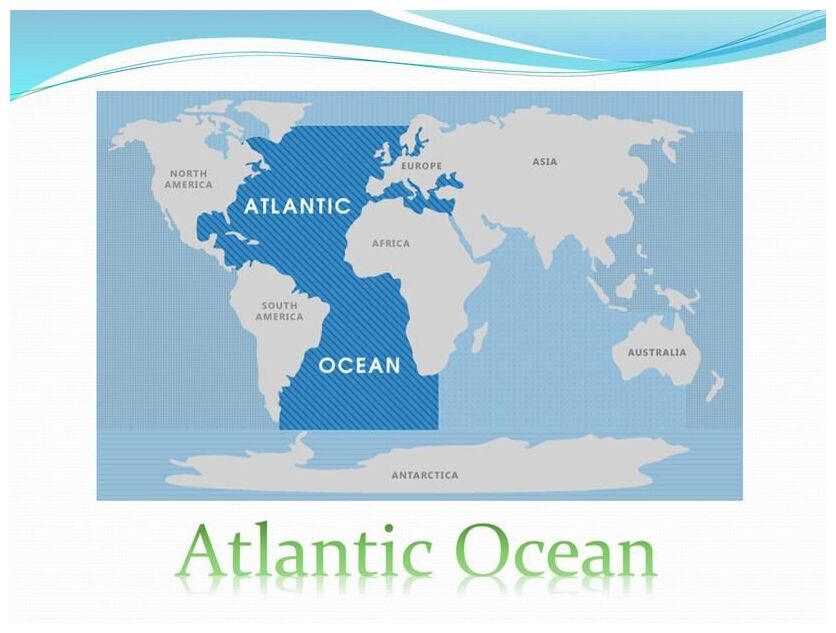
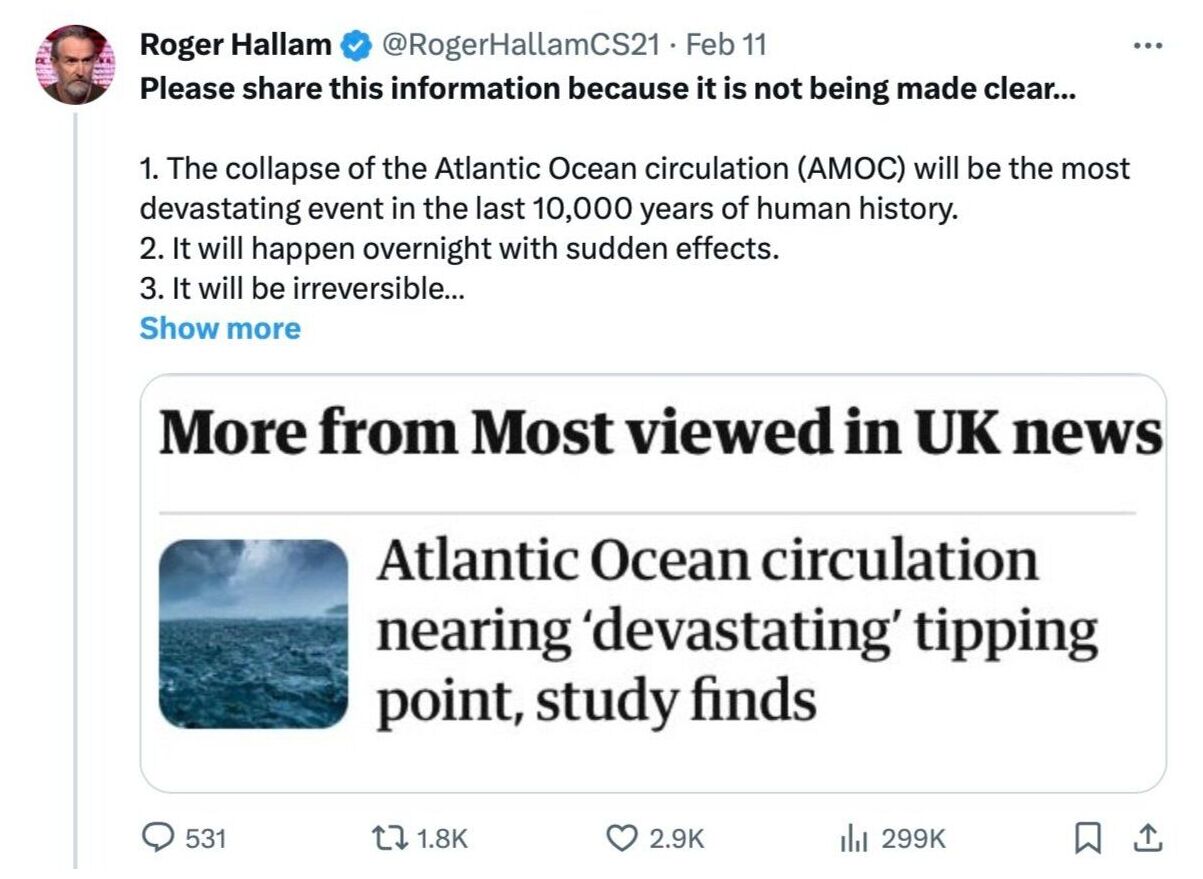
- Gulf Stream is 15% weaker, region south of Greenland coldest in 1,000 years
- Global warming... in the deeps: Tremendous geothermal heat source is melting Antarctic ice sheet from below
Rocks were thrown about 300 meters from the crater of Mt. Shintake on Kuchinoerabu Island in Kagoshima Prefecture following the eruption around 3:05 p.m., the agency said, adding it had not confirmed any pyroclastic flow.
No evacuation order was issued. As of the end of last month, 100 people were registered as residents on the 36-square-kilometer island.
It was the first eruption on the island since Feb. 2 last year.


Comment: Taal Volcano near Manila, Philippines erupts for first time in 50 years - Onlookers stunned by electric display