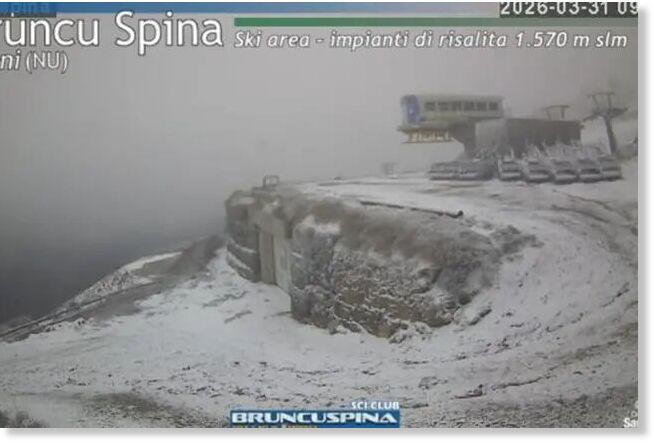
Winter arrives in Sardinia in the early days of spring, once again blanketing the peaks of the Gennargentu mountains after a weekend of freezing temperatures and a few sprinklings of snow above 1,000 meters.
Holy Week begins with subzero temperatures in the mountainous areas of the island, where this morning temperatures reached -2.1 degrees Celsius in Su Separadorgiu, just below the peak of Bruncispina, 1,440 meters above sea level.
Winter temperatures, below zero, were recorded throughout the Nuoro area and in Alta Gallura.
Further rainfall is expected for much of Holy Week, then the Azores anticyclone will reach the Mediterranean, bringing sunshine and temperatures above 20 degrees on Easter Monday.
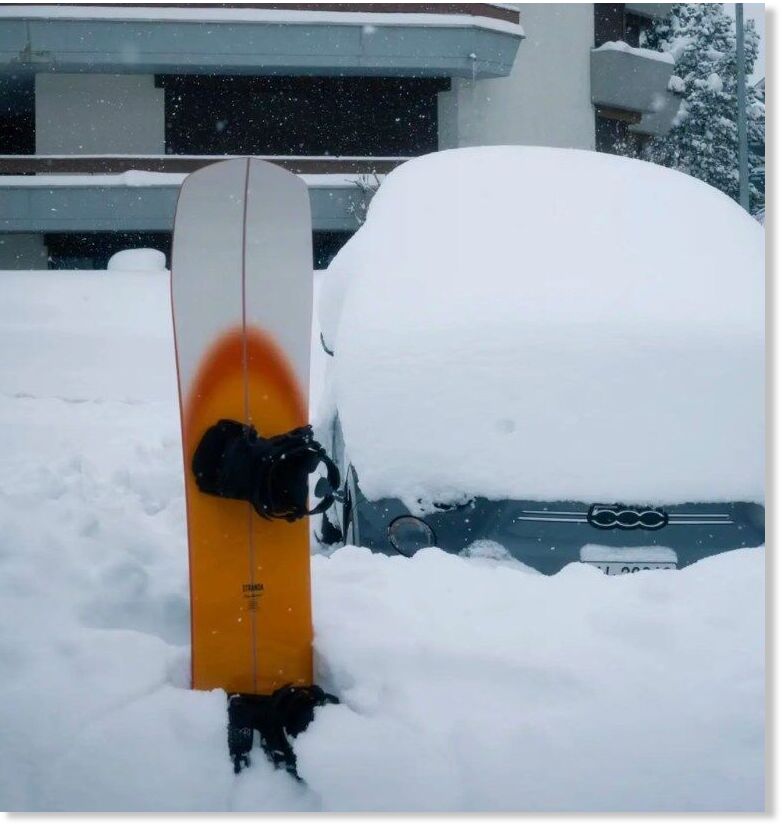
Emil Lonneberga shared these impressive powder shots from Engelberg.
A powerful late-season storm cycle has delivered a major refresh across the eastern Alps, with Switzerland leading the charge after several days of sustained snowfall. The standout has been Engelberg, where snowfall totals have been exceptional even by mid-winter standards. According to OpenSnow data, the resort received 84 cm (33 inches) in the past 24 hours and 132 cm (52 inches) over the past five days, catapulting conditions back into peak-season form.
The storm has been driven by a moist northwesterly flow, favoring northern Alpine regions and creating classic "Nordstau" conditions—where precipitation intensifies as air is forced over the mountains. The storm didn't stop at Switzerland. Zugspitze, Germany's highest peak, was also hammered, with around 1.5 meters (nearly 5 feet) of fresh snow reported in recent days. But that much snow comes with complications. In a post on social media, the resort cautioned: "A lot of snow does not automatically mean a lot of skiing. 1.5 meters of fresh snow must first be tamed... colleagues work around the clock to secure the ski area and prepare the slopes." Ongoing snowfall and poor visibility have delayed operations, with the resort indicating it expects to reopen over the weekend, pending improved weather conditions.
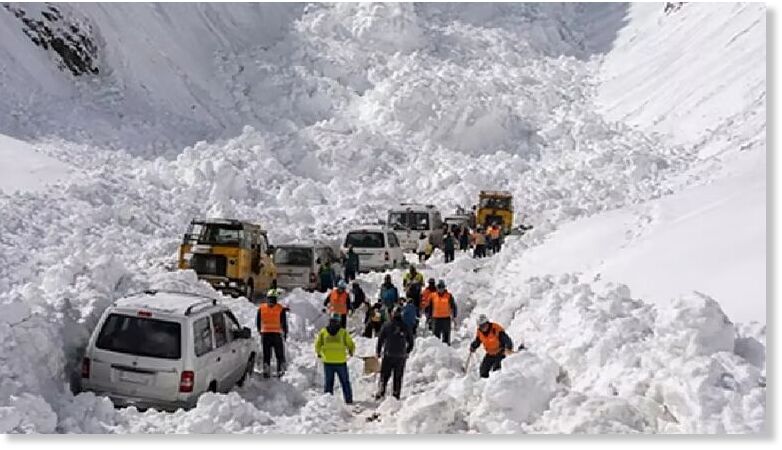
7 killed, 5 injured after multiple avalanches along Srinagar-Leh national highway
Multiple avalanches struck the Srinagar - Leh national highway on Friday, killing seven people and injuring five others, officials said.
The avalanches hit the stretch between Zero Point and Minimarg in the afternoon, trapping several vehicles under snow and debris, they said.
Officials said rescue teams were immediately rushed to the spot and a rescue operation was launched. Efforts were underway to clear the snow and locate and rescue people trapped in the affected area.
Fatmir Popja BalkanWeb.com Fri, 27 Mar 2026 20:31 UTC
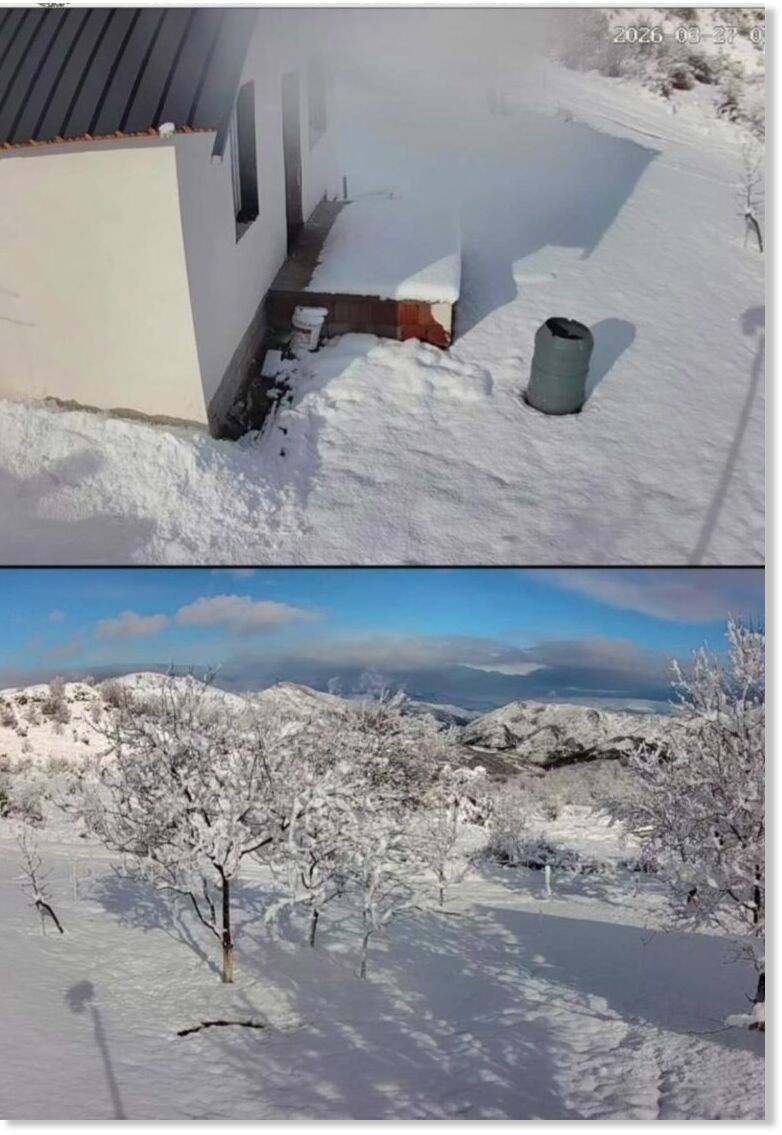
The heavy snowfall that hit the Elbasan Region last night has temporarily restored the winter atmosphere to the mountainous areas, covering dozens of villages in four municipalities of this region.
According to field data, the mountain villages of the municipalities of Elbasan, Librazhd, Gramsh and Prrenjas woke up this morning under a layer of snow ranging from 15 to 25 centimeters. The precipitation began around 20:30 pm yesterday evening and continued with intensity until after midnight, creating a typical winter panorama on the eve of spring.
The most affected areas are the Shebenik National Park, the tourist village of Fushë Studen, as well as a number of neighborhoods and villages over 800 meters above sea level in the Administrative Unit of Librazhd, including Orenjë, Qarrishtë, Dragostunjë, Polis, Babje, Dardhë and Xhyrë, where the snow thickness reaches at least 25 centimeters.
The same situation is present in all mountainous areas of the region, while this morning has brought cloudy weather, but without further precipitation. Despite the intensity of precipitation during the night, currently no traffic problems are reported. All rural roads are passable, while local authorities continue to monitor the situation to guarantee the safe movement of residents in these areas.
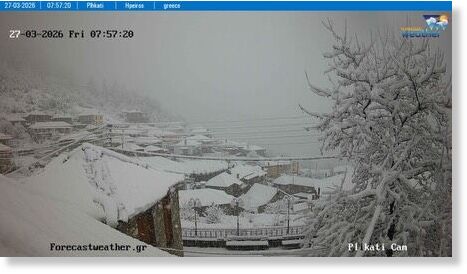
The mountains of Epirus have been dressed in white
Snowfall sweeps across Epirus and Western Macedonia, covering Metsovo, Tzoumerka and Zagori as temperatures drop and authorities deploy snowplows.
Greece saw an unexpected return to winter overnight, as snowfall swept across several mountainous regions, turning villages into postcard-like scenes more typical of January than late March.
In the northern region of Epirus, snow began falling late in the evening and continued into the early morning, covering high-altitude areas above 3,300 feet (1,000 meters). The phenomenon affected parts of the Ioannina regional unit, including well-known mountain destinations such as Metsovo, Tzoumerka, Konitsa and Zagori.
By dawn, Metsovo — a traditional mountain town popular with visitors year-round — was blanketed in fresh snow. Rooftops, streets and surrounding hills were coated in white, while intermittent snowfall and low-hanging clouds added to the subdued, almost hushed atmosphere.
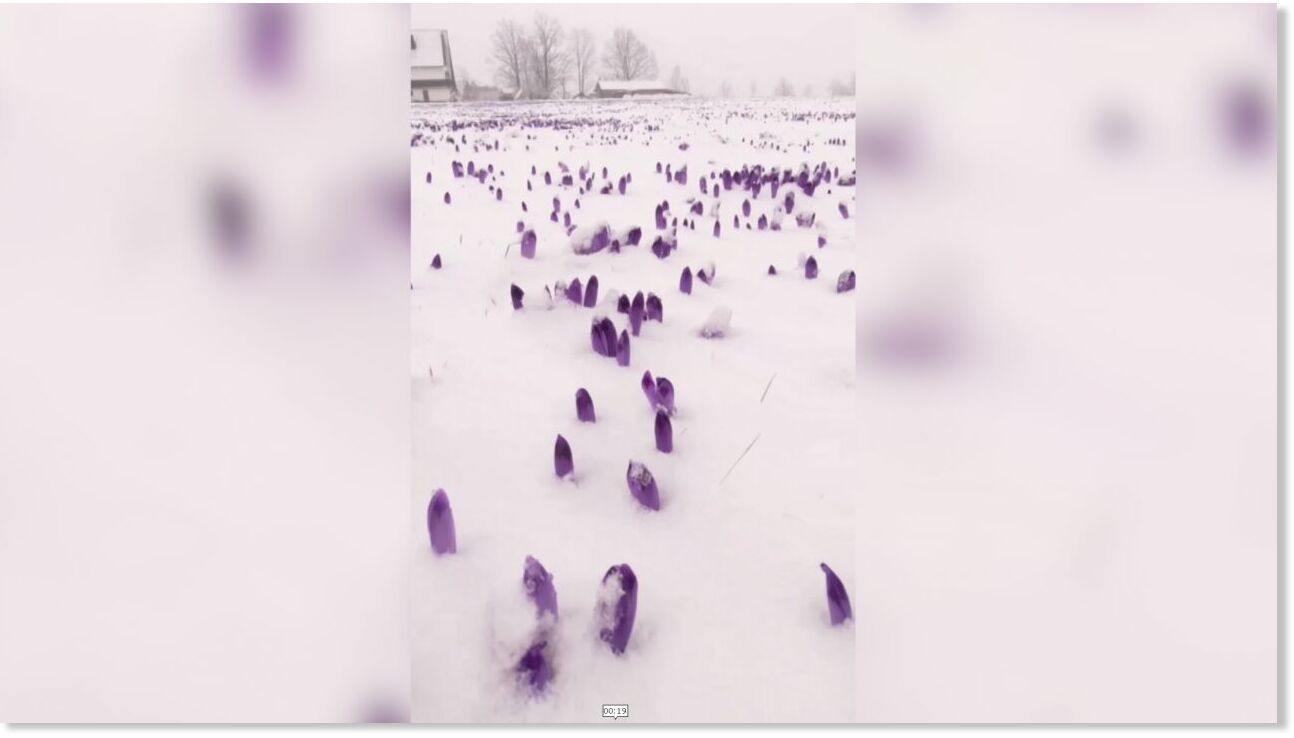
Heavy snowfall in southern Poland has blanketed blooming crocuses in the Chochołowska Valley, a scenic valley in the Tatra Mountains near the Slovak border that is one of the country's best-known signs of spring.
After several warm, sunny days brought the flowers into bloom, fresh snowfall has now covered them, raising concerns that this year's display may be less vibrant than usual.
By Friday morning, around 15 centimeters of snow had fallen in Zakopane, a popular resort town at the foot of the Tatras, with more forecast later in the day.
The return of winter weather has also worsened conditions in the mountains, prompting the Tatra Volunteer Search and Rescue Service (TOPR) to issue a Level 2 avalanche warning.
The Chochołowska Valley is famous for its annual crocus bloom, which typically draws large numbers of tourists each spring.
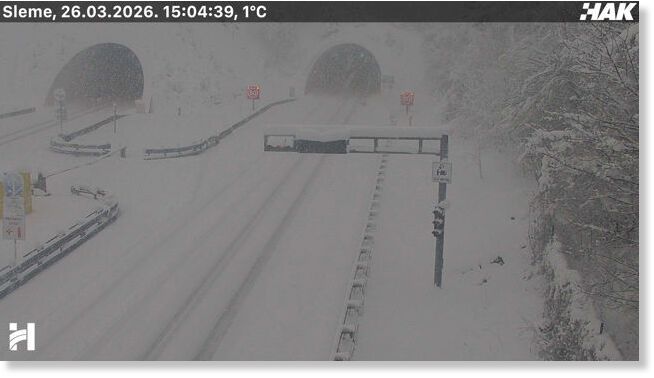
A sudden deterioration in weather conditions has disrupted major transport links between inland Croatia and the Adriatic coast on Thursday, after heavy snow, strong winds and rough seas swept across parts of the country.
Authorities issued the highest red weather alert for areas around Rijeka and Gospić as a cold front brought intense snowfall and gale-force winds.
The severe conditions have forced the closure of key road routes used by freight traffic travelling between the interior and the coastal regions of Kvarner, Istria and Dalmatia.
Traffic authorities reported that no open road routes are currently available for lorries with trailers or articulated trucks travelling towards the coast or back inland.
Restrictions are in place on several major routes, including motorway and state road sections crossing mountainous regions where winter conditions have developed rapidly.
While many consider March 21 the official start of spring, Environment Canada says meteorological spring begins on March 1.
With lingering winter conditions across Fort McMurray Wood Buffalo, including below-seasonal temperatures and record amounts of snow, the agency says a colder-than-normal pattern is expected to continue through the spring months of March, April and May across northern Alberta and the northern Prairies.
In its seasonal outlook, Environment Canada forecasts cooler-than-average temperatures across parts of Yukon, the Northwest Territories and northern Prairie regions, including northeastern Alberta. Warmer-than-normal conditions are more likely in southern parts of the Prairies, as well as British Columbia and parts of eastern Canada.
More than 200 inches of snow has fallen in Juneau, Alaska, since the snowfall season began last year, smashing an all-time record for the state capital.
Juneau has now logged an extraordinary 201.2 inches of snowfall so far this season, pushing the city past its all‑time seasonal record and underscoring the severity of this year's winter storms. While the city is no stranger to heavy snow, the total far exceeds what even residents of the reliably wintry capital typically see, following months of intense systems that triggered avalanche dangers, buried roadways and contributed to roof collapses earlier in the season. The accumulation marks one of Juneau's most disruptive winters in recent memory, highlighting how persistent, moisture‑packed storms have overwhelmed the city's usual capacity to manage snow.
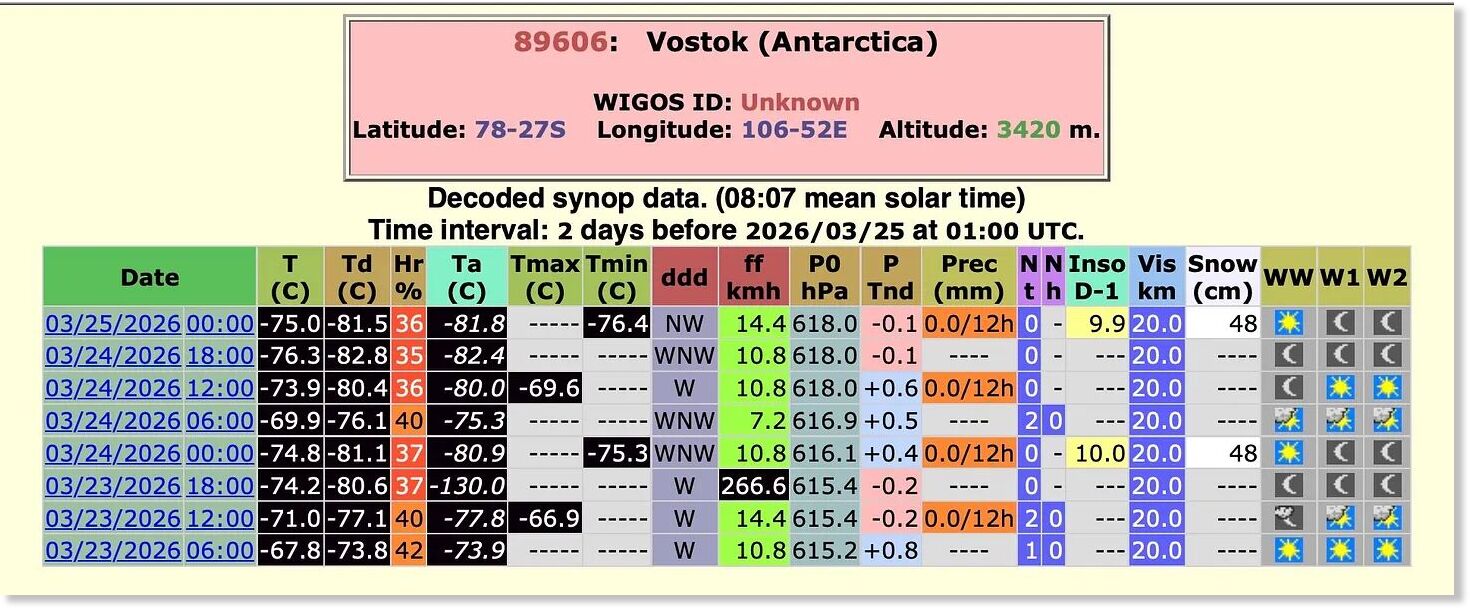
On March 25, temperatures at Vostok Station fell to -76.4C (-105.5F), establishing a new March record for the continent.
The previous benchmark stood at -75.7C (-104.3F), recorded at Dome Fuji in 2013 (though this is considered unreliable), with other notable lows including -75.5C (-103.9F) at Plateau Station (1967) and Concordia (2025).
At Vostok itself, the prior March low was -75.3C (-103.5F), observed in 1982, 2020, and again yesterday (March 24, 2026).