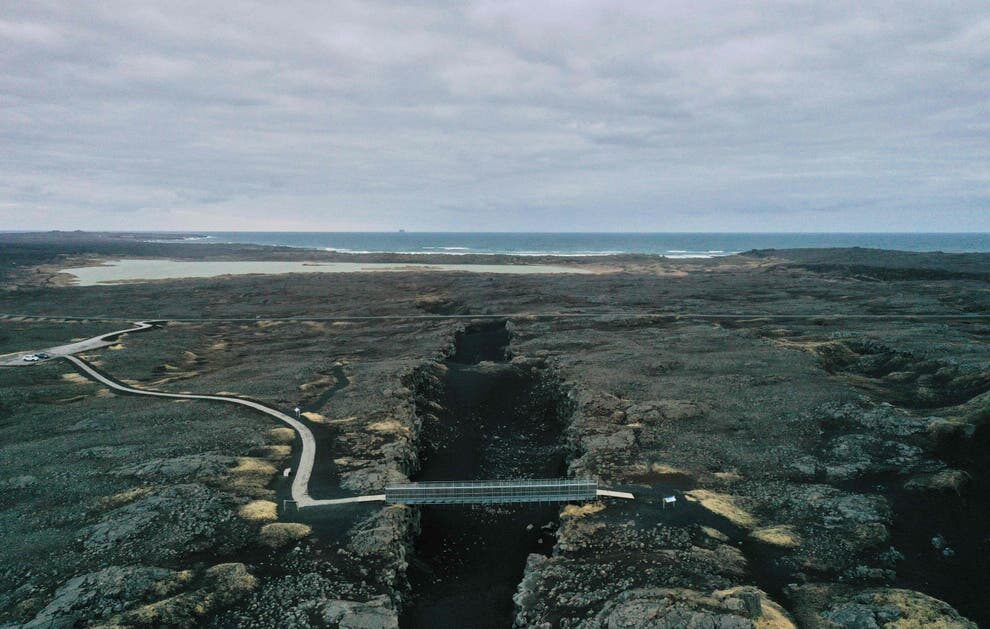
© AFP via Getty ImagesAerial view of the Reykjanes peninsula, Iceland, some 50 kilometres west of the capital Reykjavik – one of the three most seismically active areas on the planet.
Fiery eruptions spewing from
Iceland's
volcanoes could follow the tens of thousands of
earthquakes that have shaken the nation over the past fortnight, scientists fear.
Experts monitoring underground magma movements in the Reykjanes Peninsula, in southwest
Iceland, are on tenterhooks. Seismic whispers and changes in the land's shape mean an "effusive volcanic eruption could occur", according to the
Icelandic Meteorological Office (IMO). But so far, nothing has happened.
"That's something new. We didn't expect that," Dr Dave McGarvie, a volcanologist at Lancaster University said. The researcher told
National Geographic that "people started wondering, what the hell is going on here?" when
magma moving towards the earth's surface began to die down - after an eruption appeared to be just hours away.
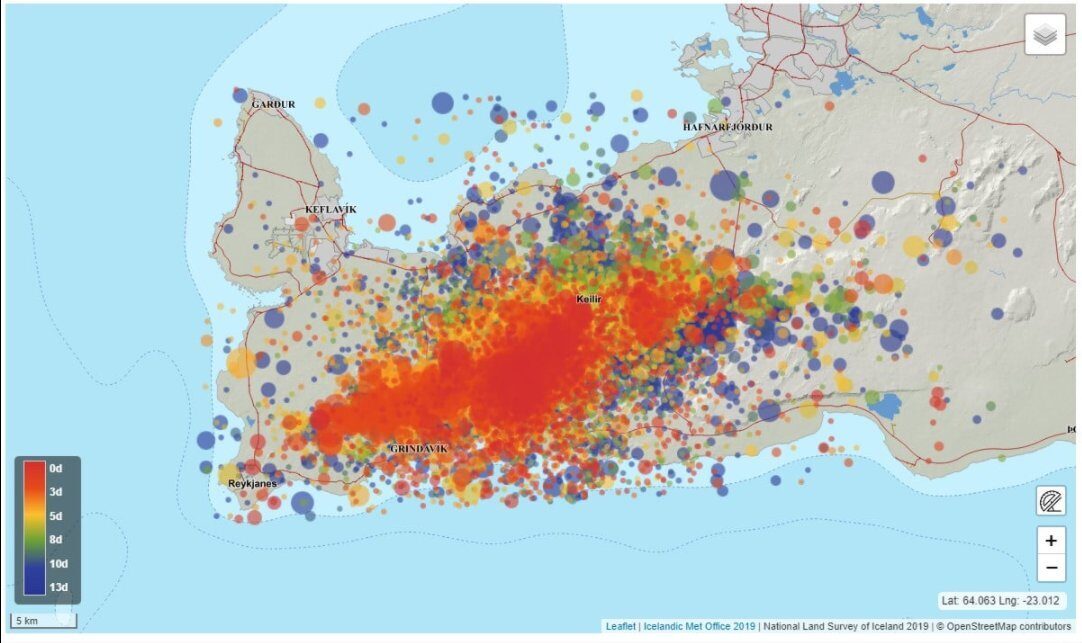
Murmurs in the region, first detected over a year ago, have culminated in more than 20,000 earthquakes since activity began on 24 February, according to the IMO.






Comment: It certainly seems that seismic and volcanic activity have increased recently:
- Mount Etna erupts for the 10th time in 3 weeks, raining rocks and ash down on Catania, Sicily
- 10 years on from Christchurch disaster, powerful earthquakes strike off New Zealand (UPDATES)
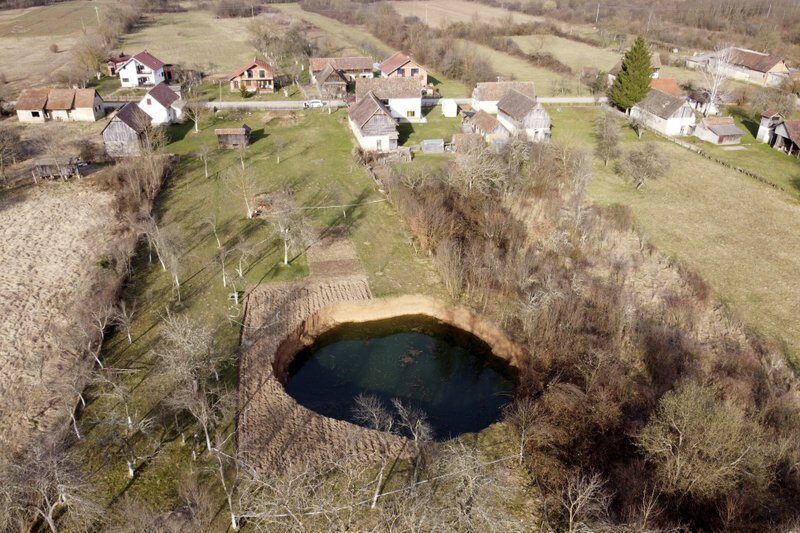
- Croatia sees gaping sinkholes emerge in area ravaged by December 2020 earthquake
- Almost 10 years to the day since mega-quake, another powerful earthquake strikes off Fukushima, Japan
Also check out SOTT radio's: