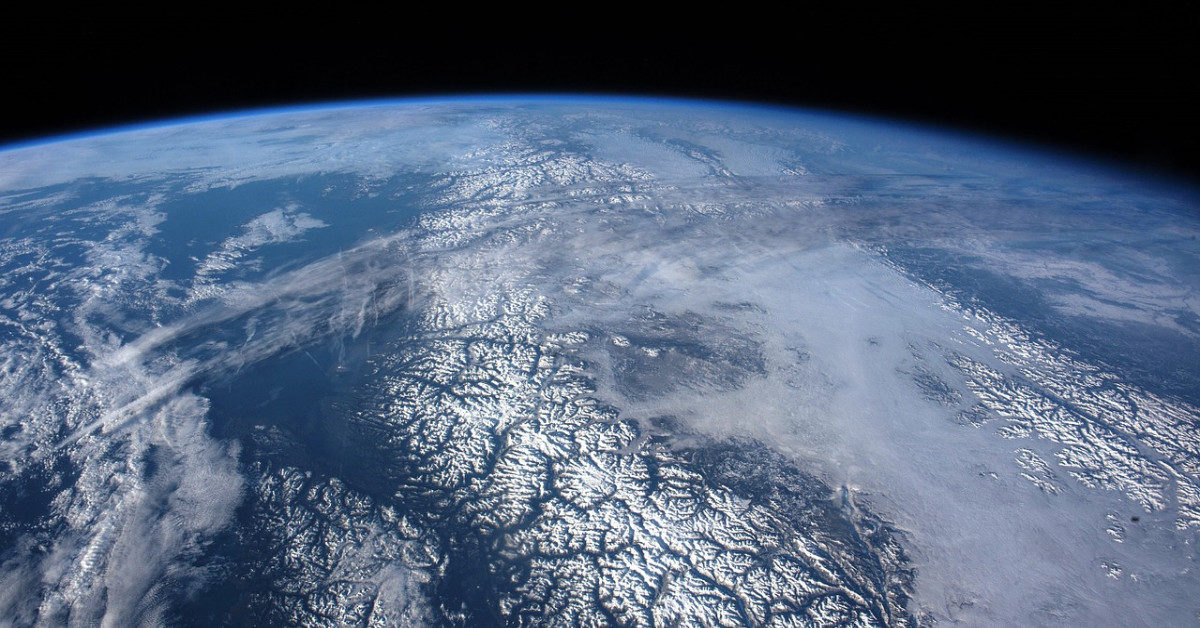
© University of Ottawa
These earthquakes produce movement so slow - a single event can last for days, even months - that they are virtually imperceptible. Less fearsome and devastating than regular earthquakes, they do not trigger seismic waves or tsunamis. They occur in regions where a tectonic plate slides underneath another one, called ''subduction zone faults'', adjacent but deeper to where regular earthquakes occur. They also behave very differently than their regular counterparts. But how? And more importantly: why?
Pascal Audet, Associate Professor in the Department of Earth and Environmental Sciences at uOttawa, along with his seismology research group (Jeremy Gosselin, Clément Estève, Morgan McLellan, Stephen G. Mosher and former uOttawa postdoctoral student Andrew J. Schaeffer), were able to find answers to these questions.
"Our work presents unprecedented evidence that these slow earthquakes are related to dynamic fluid processes at the boundary between tectonic plates," said first author and uOttawa PhD student, Jeremy Gosselin. "These slow earthquakes are quite complex, and many theoretical models of slow earthquakes require the pressure of these fluids to fluctuate during an earthquake cycle."
Using a technique similar to ultrasound imagery and recordings of earthquakes, Audet and his team were able to map the structure of the Earth where these slow earthquakes occur. By analyzing the properties of the rocks where these earthquakes happened, they were able to reach their conclusions.



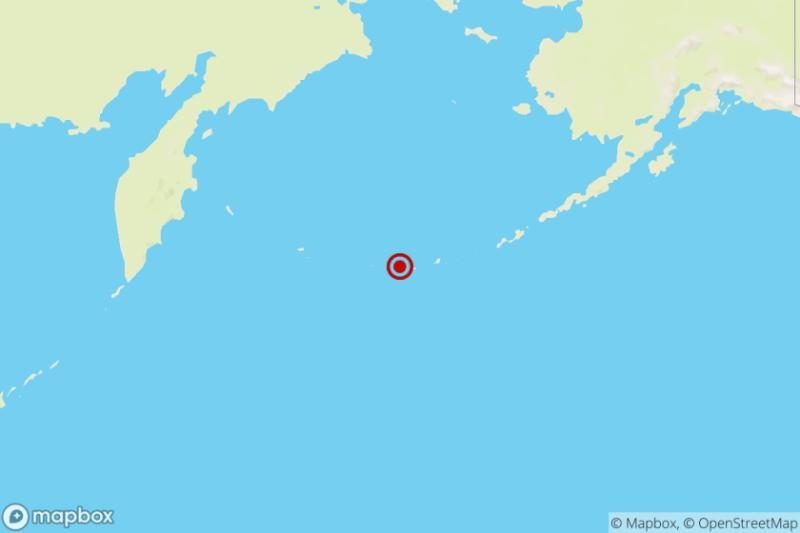



Comment: A few days ago a shallow magnitude 6.2 earthquake struck near Adak, Alaska.