OF THE
TIMES


Note: this is why, while I sometimes claim things are true, I am also quite deliberate in prefacing other statements with "I suspect" or "I believe."

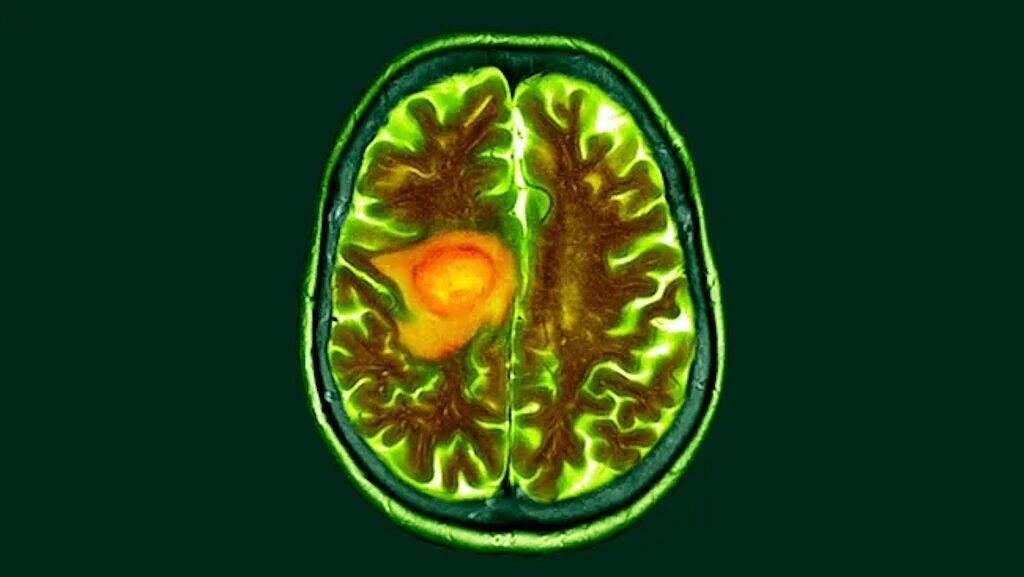
"The tumor cells, by contrast, set these processes aside. Instead, the cancer cells directed glucose to produce nucleotides — the building blocks of DNA. These molecules are vital fuel sources for the tumor cells' endless replication."Why not start by cutting excess sugar in all its forms (carbs and simple sugars) out of the patient's diet to begin with, and then monitor the results? Oh wait, it's been done:

"The [trials] have proven the safety of the vaccine, including its repeated use, as well as its high efficiency, which was associated with a reduction in tumor size and a slowdown in tumor growth."She added that in some cancers, the effect reached 60-80%.

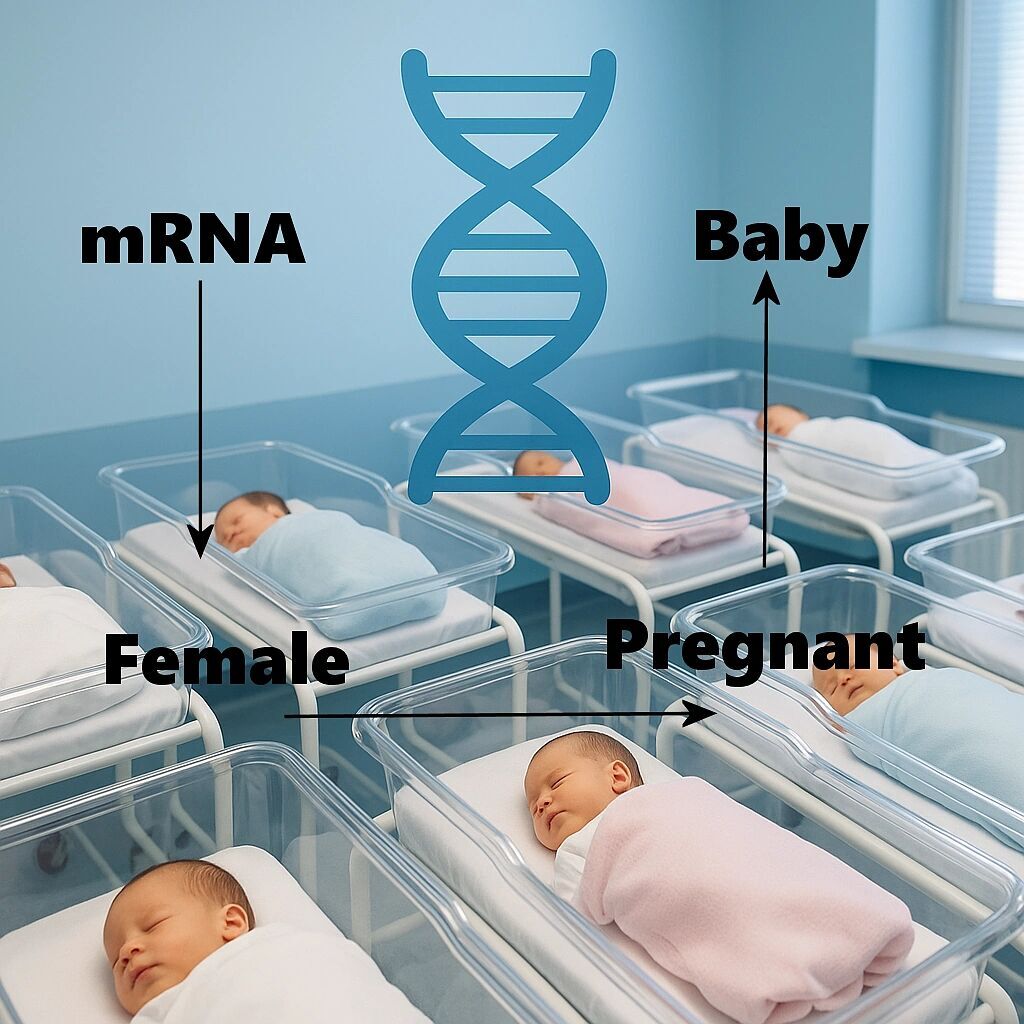
This follow-up to our earlier report, Houston, We Have a Problem, identifies a new and deeply concerning signal: excess infant and child mortality in those who neither contracted Covid-19 nor received the vaccine themselves, but whose parents bore prior mRNA exposure. The evidence points to two neglected risks — teratogenic effects passed in utero and transgenerational epigenetic effects transmitted through germline biology — together forming a warning of historic consequence for generations yet unborn.We again invoke the Apollo 13 crew's now-immortal phrase, "Houston, we have a problem," as the title-thematic of this article — offered as a direct continuation of our earlier blockbuster report, Houston, We Have a Problem. That first analysis marked the earliest significant identification of morbidity and mortality impacts associated with the Covid-19 mRNA vaccine. It stood as a "shot heard around the world," revealing excess non-Covid natural-cause mortality across multiple ICD-coded categories documented within the National Vital Statistics System (NVSS). Much as thalidomide once forced medicine to reckon with teratogenic risk, these findings underscored the ethical necessity of considering systemic, population-wide harms that may only emerge through rigorous epidemiological tracking.
Comment: More research on Huntington's disease: