A variety of controversies have seriously eroded public trust in American agriculture. Genetically modified crops (GMOs), agricultural chemicals, and concentrated animals feeding operations (CAFOs) or "factory farms" are among the most prominent on a growing list of public concerns. With respect to GMOs, more than 30 states are considering legislation requiring labeling of food products that contain genetically engineered ingredients.
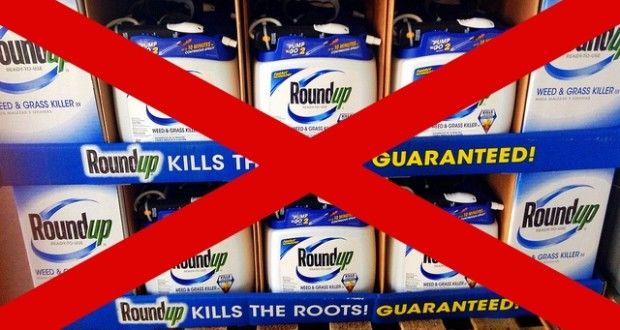
[1] Maine and Connecticut already have labeling laws that are pending implementation. The world's most popular weed-killer, Roundup, has just been identified by the World Health Organization as a "probable carcinogen."
[2] The most commonly used herbicide on U.S. farms, Atrazine, has long been identified as a probably endocrine disruptor linked to a host of potential adverse health impacts.
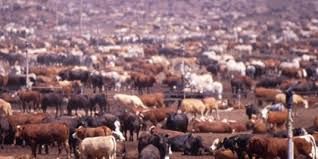
[3]Nowhere are the public concerns and controversies about agriculture more prominent than for CAFOs - frequently called "factory farms." CAFOs actually are far more like factories than farms. Nine states have banned the use of gestation crates in CAFOs, which continuously confine breeding hogs is spaces so small they can't even turn around.
[4] Only a veto by Governor Christie prevented New Jersey from become the tenth, and bans are under active consideration in several other states. McDonalds has been joined by a growing list of restaurant chains demanding "cage-free" eggs for their customers.
[5] Legislation that has been persistently proposed in the U.S. House of Representatives would ban the routine feeding of antibiotics to animals - a common practice in factory farms. The legislation has been blocked thus far by the large drug companies.
[6] Under growing pressure for action, the FDA reluctantly adopted "voluntary guidelines," for antibiotic use in CAFOs, which the drug companies endorsed.
[7]
















Comment: For more information on the negative health consequences of consuming dairy products, see: