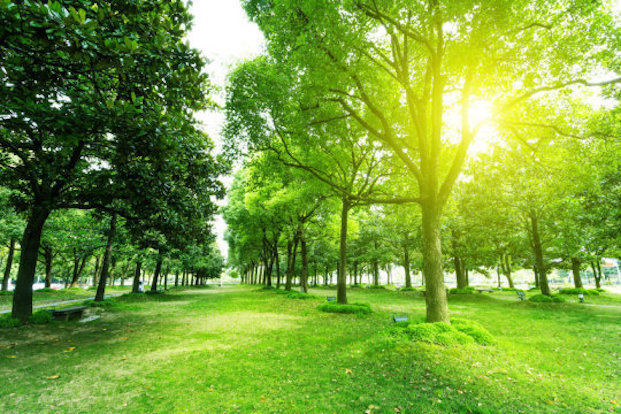
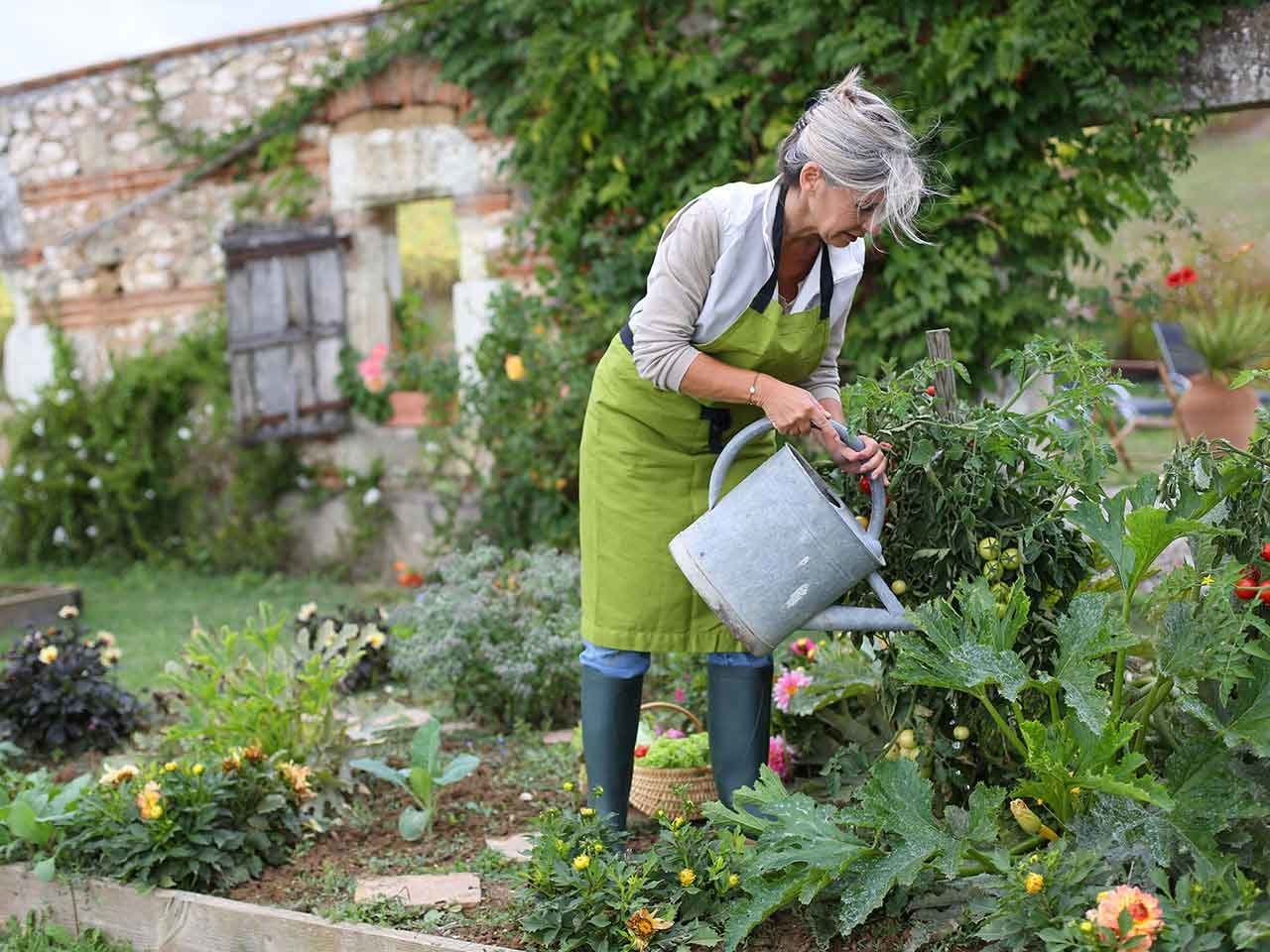
© zhu difeng / FotoliaGreenness or vegetative presence may be effective in promoting health in older populations, particularly in poor neighborhoods, possibly due to increased time outdoors, physical activity, or stress mitigation, say researchers.
A new study of a quarter-million Miami-Dade County Medicare beneficiaries showed that
higher levels of neighborhood greenness, including trees, grass and other vegetation, were linked to a significant reduction in the rate of chronic illnesses, particularly in low-to-middle income neighborhoods. Led by researchers at the University of Miami Department of Public Health Sciences at the Miller School of Medicine, and the School of Architecture, the study showed that
higher greenness was linked to significantly lower rates of diabetes, hypertension and high cholesterol, as well as fewer chronic health conditions.The findings, published online April 6 by the
American Journal of Preventive Medicine, are based on 2010 -- 2011 health data reported for approximately 250,000 Miami-Dade Medicare beneficiaries over age 65, and a measure of vegetative presence based on NASA satellite imagery. The study was the first of its kind to examine block-level greenness and its relationship to health outcomes in older adults, and the first to measure the impact of greenness on specific cardio-metabolic diseases.
















Comment: Warning to Parents: This Vaccine Linked to Sudden Infant Death...