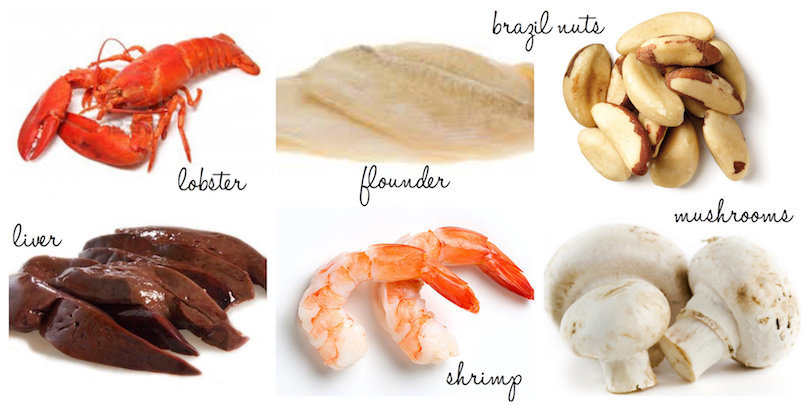
Selenium is an essential mineral found in varying concentrations in soil. It's found in foods such as Brazil nuts, sunflower seeds and garlic, but the amount in any given food depends on the selenium content of the soil in which it was grown.
Selenium is also found in water and so also occurs in varying quantities in seafood, but despite its relatively common appearance in foods,
many people are lacking this important mineral.It's estimated that 0.5 to 1 billion people worldwide suffer from selenium deficiency while even more consume less selenium than is necessary to provide protection against
cancer and severe infectious diseases.
1A Little Bit of Selenium Goes a Long Way Toward Protecting Your HealthYour body has only a small requirement for selenium. The minimum daily recommended dietary allowance (RDA) for this mineral is 55 micrograms (mcg) for adults, and
this is one nutrient where you don't want too much.While small amounts provide important benefits, taking too much (for instance, 400 mcg daily) has potentially been linked to an increased risk of
diabetes.
2 That being said, unless you're taking a supplement, it's difficult to "overdose" on selenium that's naturally occurring in foods.














Comment: For a more in depth look at the toxic chemicals found in food packaging and their affects on human health read the following articles: