Health & WellnessS


Stop

France pulls an all out ban on pesticides in public places

France bans pesticides

French Ban on Pesticides a Long Time Coming...


At the very end of 2016, AP News reported that "children will soon be able to frolic in the grass without risk of intoxication."

"Pesticides will be banned in all public green spaces from Sunday while non-professional gardeners will no longer be able to buy pesticides over the counter," they reported.

This pesticide ban covers public forests, parks and gardens, but local authorities are still allowed to use pesticides in cemeteries for some reason. A ban of pesticides in private gardens will be complete by 2019. French lawmakers have adopted a "green initiative" that also includes a ban on plastic bags for vegetables.

France has been building up for this ban on pesticides for a long time; particularly with Monsanto's Roundup. Too many incidents involving corporate recklessness have encroached on the French heritage and it just can't be tolerated any longer.

Syringe

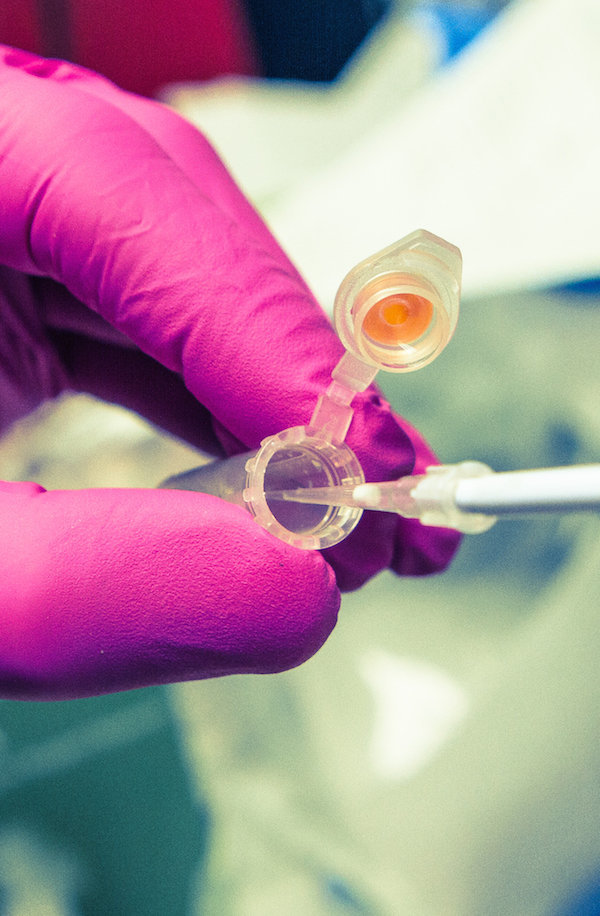
Coming soon: Vaccines against painkiller drugs

vaccines
Highly addictive opioid drugs, including morphine, codeine, oxycodone, and hydrocodone, among others, are not only the most common agents used for pain management throughout the world but also are an increasingly common culprit in today's epidemic of addiction. It is not only recreational thrill seekers who get into trouble with the opioids. Many addiction problems begin after a painkiller is first prescribed for a legitimate reason such as post-surgical pain.

Premature death from painkiller addiction has reached epic proportions in the United States, with 20,101 overdose deaths from prescription painkillers and 12,990 from heroin in 2015 alone, out of a total of 55,403 fatal drug overdoses.1 Opioid addiction is driving this epidemic, with 
 and has prompted much research into ways to deal with the problem. As reported in The Economist, a group out of the Scripps Research Institute now reports that it has developed an "anti-opioid vaccine."2

"Chemical Tweaking" Needed to Activate Vaccine

The researchers, led by Kim Janda, PhD, note that opioids do not provoke the immune system in and of themselves, so for the new vaccine to activate antibody production, it must be "chemically tweaked and attached to an appropriate carrier protein." Dr. Janda believes that difficulties in producing an active vaccine in the past have been because the "haptens," as the manipulated opioids used in the vaccine are called, are not structurally close enough to the actual drug to provoke a very strong immune system reaction. In the new research, the hapten structure has been made to closely replicate that of the opioids.

Sherlock

New scientific study debunks biotech's 'substantially equivalent' argument

biotech
Big Biotech claims its GMOs are ‘substantially equivalent’ to non-GMO foods. A recent study busts the idea, showing how GMOs introduce unusual proteins to the body – some of which change the body in a negative way and are potentially toxic.
The Biotech industry assures the public that GMOs are substantially equivalent to their non-GMO or near-isogenic counterparts. In fact, the whole idea of substantial equivalence has been spun into existence by Big Biotech as a clever way to peddle their wares - but they like to have it both ways. You see, when it comes to health, nutrient composition and regulation, Big Biotech insists that GMOs are substantially equivalent to non-GMO foods, so as to ensure they get full market access with minimal or no regulation - not even labeling. Yet, when it comes to intellectual property and patents, Big Biotech turns around and insists they "own" the molecules and combinations that make up GMOs, and that it is their property. Many astute people have long spotted the deception and inherent contradiction in the substantial equivalence argument. Now, a recent peer-reviewed scientific study has taken the analysis to a whole new level, showing that GMOs are not so substantially equivalent to non-GMO crops at all.

Comment: The following article was written back in 2012: Substantial equivalence - anything but equivalent or substantial
Substantial equivalence. When looking at these two words many come away with the impression that they signify fairness, safety and adequate disclosure to consumers regarding the products those words are attached to. However, regarding the marketing of transgenic foods specifically genetically modified organisms in our food that is anything but the case. I think it is crucial that consumers are aware of what is in their food and how it may affect them and their children in order for them to be able to make informed decisions about what goes into their bodies.

This is the standard definition of "substantial equivalence":
"Substantial equivalence is a concept developed by OECD in 1991 that maintains that a novel food should be considered the same as a conventional food if it demonstrates the same characteristics and composition as the conventional food."
This concept was pushed in regards to GMOs by the FAO and the WHO in the early 1990s. Its intent was the stripping away of years of testing of so called "novel" foods which can be prohibitively expensive and time consuming and therefore would have affected the profits of companies like Monsanto that have a virtual stranglehold on the FDA, USDA, and other regulatory agencies and governments that have afforded them special treatment in allowing them to use this planet and its species as one huge science experiment. The residual effects of applying these two words to GMOs and in allowing them to be foisted upon the world with little to no adequate testing already negates the validity of applying the substantial equivalence label to them.


Pills

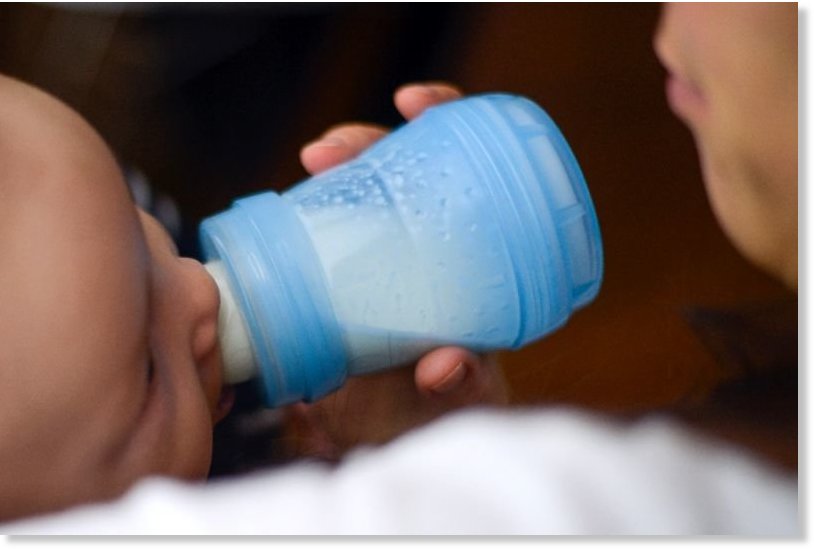
France suspends sales of vitamin D following death of baby given liquid supplement Uvesterol D

baby feeding
© AFP Photo/FRED DUFOURFrance has issued warnings before about how Uvesterol D supplement is administered after cases of illness especially among premature babies and newborns under one month
France has moved to suspend sales of a vitamin D medication following the death of a baby who suffocated after being given the liquid supplement, health authorities said Wednesday.

France's ANSM agency that oversees the safety of medicines and health products said it had taken the measure "as a precaution" after investigations showed "a probable link between the death and the administration of Uvesterol D".

The 10-day-old baby died on December 21 after being given Uvesterol D, a popular brand of drops prescribed for children suffering from vitamin D deficiency. The supplement is only available in France.

ANSM has previously issued warnings about how the supplement is administered -- with a pipette -- following cases of respiratory problems, especially among premature babies and newborns.

Beaker

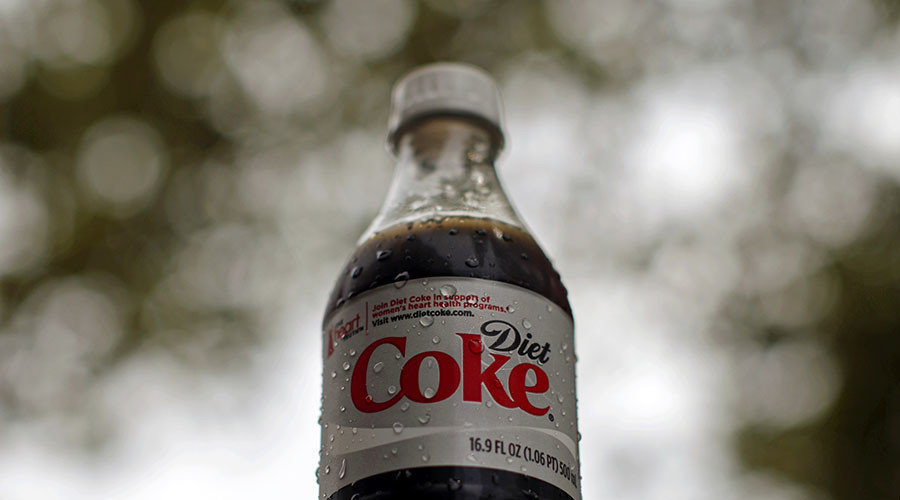
New study: No proof diet drinks help with weight loss

diet soda, diet coke
© Jim Young / Reuters
There is no evidence that sugar-free drinks can help fight obesity, according to researchers, who also argue that artificially-sweetened beverages should not be promoted as part of a healthy diet, as they may be a risk factor for chronic diseases.

Artificially-sweetened beverages (ASBs) are marketed as a healthy alternative to sugar-sweetened beverages (SSBs), but a paper compiled by scientists from Imperial College London and two universities in Brazil states that there is no proof that diet drinks are healthier or help in weight loss.

"A common perception, which may be influenced by industry marketing, is that because 'diet' drinks have no sugar they must be healthier and aid weight loss when used as a substitute for full-sugar versions. However, we found no solid evidence to support this," Professor Christopher Millett, top researcher at Imperial's School of Public Health, said.

In fact, there are mixed scientific findings on the matter, the study says.

"The effect of ASBs on weight management has been tested in some randomized controlled trials (RCTs). These have produced mixed findings, with some studies indicating a null effect, while others have found modest reductions in weight."

Comment: For further consideration:


Health

Doctors warn against sticking Q-tips in your ears

q-tip ear
© Getty ImagesDon't do this.
I tingle just thinking about the full-body sensation accompanying a Q-tip exploring the inside of my ear canal. But the guilt-ridden pleasure is always followed by a nagging mother whisper: "don't put anything smaller than your elbow into your ear!" Well, scientists have decided to amplify that whisper.

The American Academy of Otolaryngology—Head and Neck Surgery Foundation published an updated set of guidelines on managing ear gunk today in Otolaryngology-Head and Neck Surgery. The recommendations don't contain many surprises, but they'll definitely give you another reason to worry—screw around inside your ears too much and you might give yourself earwax impaction, which is basically a stuffy nose for your ear.

Earwax, also known as cerumen, is essentially the snot that serves to grease up the inside of your ears and trap any invading dirt particles. Your body normally deals with earwax buildups just fine, by circulating old wax out of the ear where it crusts up on its own, and by growing more skin cells, according to the report. If that process breaks down, though, earwax might build up in your ears, making it difficult to hear or resulting in a feeling of stuffiness. Around 10 percent of children and five percent of adults suffer from this problem, with numbers higher in older or developmentally-delayed folks. New data on cerumen impaction motivated the release of new recommendations for how to deal with it.

Comment: Dangers -- or pleasures -- of Q-tip usage aside, just using a washcloth to clean one's ears seems sufficient.


Airplane

"Asbestos of the Sky" - The Aviation Industry's Darkest Coverup

aviation darkest secret
The aviation industry hangs its hat on air travel being "the safest way to travel." The truth, however, is that it has harbored a dark secret since its inception: it's poisoning its passengers and crew due to deeply flawed aircraft design, de-prioritizing safety in favor of profit.

In flight, every crew member and passenger relies on an air supply. The assumption, of course, is that this air is filtered if not fresh. Perhaps you have sensed (and promptly dismissed) that there may be quality control issues around cabin air. The problem goes further than that, however, and astoundingly, this is not by accident but by design.

What's more concerning is the fact that the industry has known about this completely preventable health hazard for at least 40 years, but no attempts have been made to filter this cocktail of hundreds of chemicals (including organophosphates in the same category as toxic nerve agents like Sarin) out of the cabin air before travelers are forced to breath them in. Nor has the root cause of the problem -- unsafe aircraft design and the deprioritization of human safety -- been effectively addressed.

A history of cabin air supply

Essentially, the problem comes from the need to supply the jet airliners with warm compressed air while flying at high altitudes. In order to do so, all planes used by commercial airlines since 1963 inject the cabin with air directly from the compressors of their jet engines in what is known as 'bleed air.' In the 50's, engineers designed airplanes which pulled fresh air into the cabin, but this "modification" was deemed too costly by decision-makers at the time. As a result of poor design, every breath that the crew and passengers take today, consists of a 50/50 mix of recirculated cabin air and bleed air, the latter of which can contains a wide range of synthetic chemicals, such as tricresyl phosphate (TCP or TOCP), an organophosphate which is highly neurotoxic to humans. In fact, the World Health Organisation stated in 1990 that "Because of considerable variation among individuals in sensitivity to TOCP, it is not possible to establish a safe level of exposure" and "TOCP are therefore considered major hazards to human health."1


Comment: As it happens, this has been facilitated by the banning of smoking on flights. When smoking was allowed, better filtration and fresh outside air were used. When smoking was banned, the airlines seized the opportunity to cut costs and serve you worse air than you received when there were smokers on the plane.


Comment: Aerotoxic Syndrome: A suppressed air travel hazard


Health

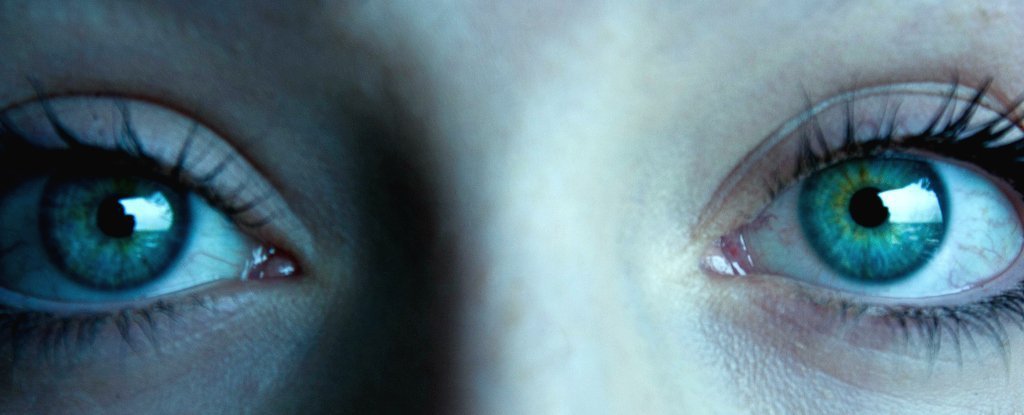
The eye's role in circadian rhythm entrainment

eyes and color recptors
© Alessandra Celauro/Flickr
Sight is important but it is not the only role of the eye. Research has shown that the eye's role in circadian rhythm entrainment is greater than we previously believed.

Our eyes are an important part of perceiving and adapting to our environments. We use our eyes to navigate the world in a variety of ways. From appreciating a beautiful piece of art to maneuvering in traffic, vision is one of the most important senses for many people. Visual learners, people who learn best from seeing information in a graphic form such as a chart, make up 65 percent of the population. However, we do not just learn facts using our eyes; the body also "learns" about what time it is and what tasks we should be completing. The eye's role in circadian rhythm entrainment is crucial to setting the time on our internal clocks.

More Than Sight: The Function of Your Eyes

Your eye is a complex organ made up of several parts, each playing an important role. The cornea is a clear protective piece covering the inner structures such as the iris, which is a colored ring surrounding your pupil. The iris dilates or constricts to let just the right amount of light into your eye while the cornea focuses images. Just behind your iris and pupil is the lens of your eye, which flattens or curves to further keep images in focus. At the back of your eyeball lies the retina, which perceives light and darkness and sends messages about images to vision centers in your brain via the optic nerve.

Health

Do Your Research! New Year's 'Detox' Lands Woman in the ER

Herbal Tea
© Africa Studio/Shutterstock.com
Undertaking a New Year's "detox" can sometimes be dangerous, according to a new report.

The report described the case of a woman in England who developed a potentially life-threatening condition after she drank lots of fluids and took a slew of herbal remedies at the start of the new year.

"Patients should be advised of the potential detriment done to their health of undertaking a new year 'detox,' especially if it involves consuming excessive amounts of fluid or alternative remedies," the report said.

The 47-year-old woman was healthy when she began consuming more fluids and herbal remedies than usual, the report said. She was admitted to the emergency room after she appeared confused and showed changes in behavior, including teeth grinding, and then suffered a seizure.

Comment: All foods and supplements are external, foreign substances and each have their own effects on the body, as well as interacting with each other. It is of vital importance to perform thorough and extensive research into any and all supplements and nutritional regimens that you are interested in using before doing so. After beginning supplementation, a detox programme, diet change or alternative therapy, it is then even more important to monitor the effect it has having on you personally and any negative signs should be taken seriously, meaning it may be a good idea to stop whatever it is you are doing and see a healthcare professional.


Pineapple

Soil depletion and the decline in nutritional content of fruits and vegetables

fighting carrots
Due to currents levels of soil depletion, genetic modification and pesticides, crops grown decades ago were much richer in vitamins and minerals than the varieties most of us get today. But what's the nutritional difference between a carrot in 1950s and one today?

Higher antioxidant levels, lower pesticide loads, better farming practices all lead to a more nutritious end product when choosing organic over GMO foods. But the primary culprit in this disturbing nutritional trend is soil depletion: Modern intensive agricultural methods have stripped increasing amounts of nutrients from the soil in which the food we eat grows. Sadly, each successive generation of fast-growing, pest-resistant carrot is truly less good for you than the one before.

A landmark study on the topic by Donald Davis and his team of researchers from the University of Texas (UT) at Austin's Department of Chemistry and Biochemistry was published in December 2004 in the Journal of the American College of Nutrition. They studied U.S. Department of Agriculture nutritional data from both 1950 and 1999 for 43 different vegetables and fruits, finding "reliable declines" in the amount of protein, calcium, phosphorus, iron, riboflavin (vitamin B2) and vitamin C over the past half century. Davis and his colleagues chalk up this declining nutritional content to the preponderance of agricultural practices designed to improve traits (size, growth rate, pest resistance) other than nutrition.

Comment: A Debate About Soil, Organics and Nutrition