OF THE
TIMES
"Big pharma was scarce with cash, because they can't patent a food's natural properties. And from a practical viewpoint, studying food with its thousands of chemicals and nutrients is incredibly complex. By comparison, targeting and studying a single drug for efficacy in a double-blind model was far more straightforward and lucrative to both researchers and industry."Granted, some pharmaceutical products have given a better quality of life to many people, but the singular focus of making a pill to treat disease has come at the cost of virtually ignoring food as medicine.

President Obama has signed an executive order expanding the list of illnesses that could result in forced detention, isolation, and quarantine for anyone exposed, even if they are not sick. It updates a Bush-era executive order, adding "severe acute respiratory syndromes" except for influenza to the list of detainable communicable diseases.
The Public Health Service Act allows the government to apprehend and detain individuals based on communicable diseases named in the Act, or named by presidential executive orders. Executive orders do not have to get congressional approval.
Not only can people with the disease be forcibly isolated, but the CDC also has the power to quarantine anyone who may have been exposed. The new executive order allows detentions for "diseases that are associated with fever and signs and symptoms of pneumonia or other respiratory illness...capable of being transmitted from person to person, and that either are causing, or have the potential to cause, a pandemic, or, upon infection, are highly likely to cause mortality or serious morbidity if not properly controlled" [italics ours]. In other words, if you have been exposed to one of the listed communicable diseases - even if you do not show symptoms - you may be forcibly detained and quarantined...
Even worse, because of various draconian state laws, individuals can also be detained against their will within their state - which includes being forced from their home. Once in quarantine, a potentially toxic drug regimen is generally enforced. While detention authority and scope differs from state to state, some have excessively broad powers. For example
- In Alabama, the governor or state board of health may proclaim a quarantine whenever it is deemed necessary. The board of health has full powers of enforcement, and may formulate any rules it believes necessary.
- In Idaho, the state reserves the right to enter an individual's home by force if an occupant may have been exposed.
- Maine reserves the right to impose emergency regulations at the mere threat of an outbreak.
- New York can also detain patients in a locked ward at Bellevue hospital.
- In 2009 the Massachusetts Senate considered a bill allowing the police, during a declared public health emergency, to arrest people without a warrant if they have "probable cause" to think they're not complying with orders (including verbal orders from the public health commissioner or local public health authority). Under this bill, citizens could have been detained for as long as necessary for the public authorities to "convey information to you regarding the disease." Happily, because of grassroots activists like you and opposition from the Massachusetts House, the bill did not pass and was never reintroduced.
[G]ut dysbiosis, brought on by exposure to glyphosate, plays a crucial role in the development of celiac disease. Many CYP enzymes are impaired in association with celiac disease, and we show that glyphosate's known suppression of CYP enzyme activity in plants and animals plausibly explains this effect in humans. ~ Glyphosate, pathways to modern diseases II: Celiac sprue and gluten intolerance by Dr. Anthony Samsel and Dr. Stephanie Seneff
"the tobacco epidemic is one of the biggest public health threats the world has ever faced, killing around 6 million people a year. More than 5 million of those deaths are the result of direct tobacco use while more than 600 000 are the result of non-smokers being exposed to second-hand smoke."But like any other claim promulgated by the established health authorities, it is wise to question whether there is actually any truth to it. Bear in mind, it is these same authorities which recommend a low-fat, high-carbohydrate diet (and we have seen how detrimental that has been to the general population's health). It is also those same people who would recommend treating chronic illness with synthetic pharmaceutical drugs, or the complete removal of entire organs (again, clearly not a successful approach). Anyone who pays attention can see that the authorities clearly don't care about people's health because they are more concerned with profit margins. So in this context rational inquiry demands that we look into whether tobacco is really 'all that bad'.
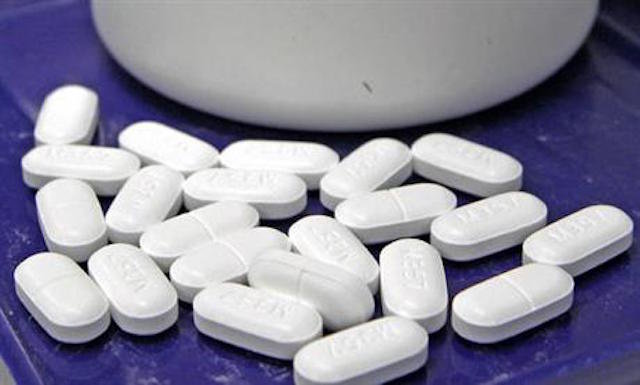
Pain after disease/damage of the nervous system is predominantly treated with opioids, but without exploration of the long-term consequences. We demonstrate that a short course of morphine after nerve injury doubles the duration of neuropathic pain. (Source)Prescription Painkillers are Killers
"There's an ongoing death rate from use of pain medications as prescribed. So, even as prescribed, they're highly dangerous and they are open to abuse." ~ Dr. Margaret Gedde, owner and founder the Clinicians' Institute of Cannabis Medicine (Source)Death isn't the only risk of prescription painkillers. Misuse, abuse and addiction are rampant in the United States. For example, in 2014, almost 2 million Americans abused or were dependent on prescription opioids. Furthermore, on any given day, 1000 people on average are treated in emergency situations for the misuse of these drugs.

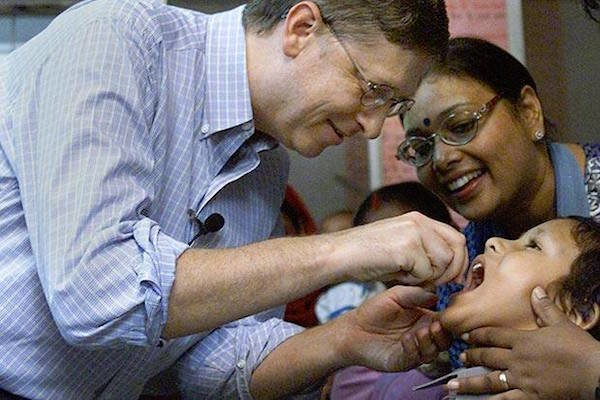
Experts also said that India's current immunisation programme, which involves the use of Oral Polio vaccine (OPV), may also pose the risk of the spread of the disease.They continued:
OPV has a weak or attentuated virus that triggers immune response in children to fight against polio. However, in rare cases when a child excretes the virus, it may multiply in sewage, and undergo mutations which lead to transmission of the disease.Further, the IBT stated:
However, children who were earlier immunised with the trivalent vaccine (which had P1, P2 and P3 strains) may continue excreting P2 strains for at least sometime. There is also a perceived threat that children who have been immunised now may be prone to infection since they did not get P2 strain of vaccine, according to scroll.in.Vaccine-derived Polio: Nothing New
Comment: It's nice to have panels and investigations and reports but how many of their recommendations will actually lead to action? It's not as if the 'proper authorities' don't know that there is a problem.