
© Enrico Jose
Once again, bird flu is back in the U.S. From 2014 through mid-2015, 48 million chickens and turkeys were killed in the U.S. to prevent the disease's spread and protect farmers' profits.
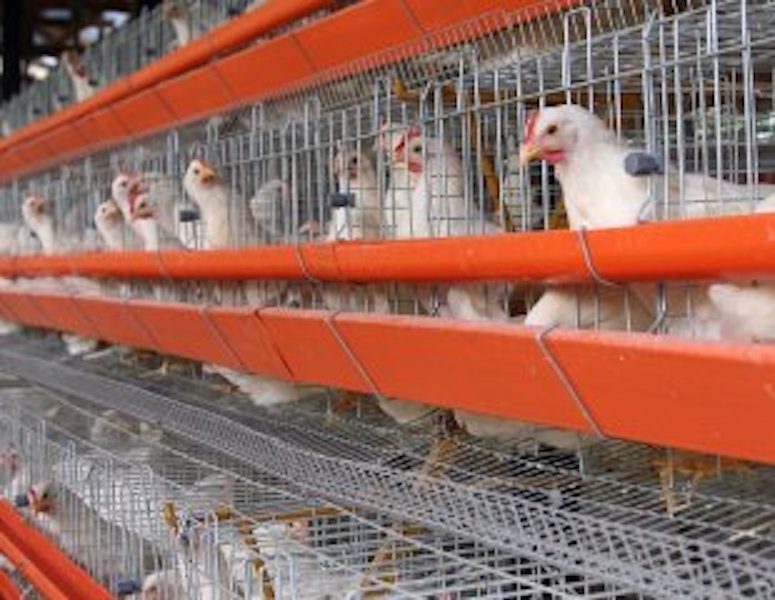
Factory farmers routinely fight to keep images of how poultry are raised out of public view, so consumers do not lose their appetites and will continue eating their products. Industrial farmers also fight hard to keep images of how chickens and turkeys are "euthanized" out of the public view.
It is easy to see why. To prevent the spread of bird flu, healthy, floor-reared turkeys and broiler chickens are herded into an enclosed area where they were administered propylene glycol foam to suffocate them. Michael Blackwell, chief veterinary officer at The Humane Society of the United States, likens death by foam to "cuffing a person's mouth and nose, during which time you are very much aware that your breathing has been precluded."




















Comment: The horrific truth about factory farmed chickens