Health & WellnessS


Heart - Black

Stress of child abuse impacts the physical growth and maturation of adolescents

child abuse
© Roman Bodnarchuk / FotoliMaltreatment can affect a child's psychological development. New research indicates that the stress of abuse can impact the physical growth and maturation of adolescents as well.
While it has long been known that maltreatment can affect a child's psychological development, new Penn State research indicates that the stress of abuse can impact the physical growth and maturation of adolescents as well.

Jennie Noll, director of the Child Maltreatment Solutions Network and professor of human development and family studies, and Idan Shalev, assistant professor of biobehavioral health, found that young girls who are exposed to childhood sexual abuse are likely to physically mature and hit puberty at rates 8 to twelve months earlier than their non-abused peers. Their results were published recently in the Journal of Adolescent Health.

"Though a year's difference may seem trivial in the grand scheme of a life, this accelerated maturation has been linked to concerning consequences, including behavioral and mental health problems and reproductive cancers," said Noll.

Comment: Long-term risks of early puberty - navigating early development in today's girls


Alarm Clock

CBS: Study finds unbelievable rise in mastectomies in certain states

breast_cancer
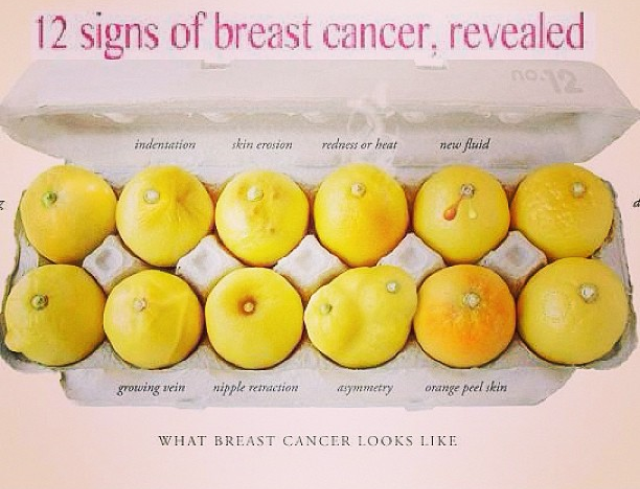
In 2017, no one can say they haven't been affected by cancer to some degree; about 12.4% of women in the United States will be diagnosed with breast cancer at some point during their lifetime. We all know someone or have a family member who the disease has maimed or killed. Yes, maimed.

According to a study published in JAMA Surgery, younger women with breast cancer are increasingly opting to undergo double mastectomies, even if they were diagnosed with early-stage cancer in only one breast. The procedure to remove the healthy breast, along with the affected breast is called a contralateral prophylactic mastectomy (CPM).In fact, the rate has gone up so much in some states, more than 42% of women 20 to 44 who underwent surgery between 2010 and 2012 opted to remove both breasts with a CPM, researchers want to know why.


(Above: Amberlea Childs, 36, was newly engaged when she found a lump the size of a large walnut in her right breast. She would go on to have a double mastectomy.)

Ahmedin Jemal, vice president for surveillance and health services research at the American Cancer Society, and senior author of the study believes there are a couple possibilities for the rise: the desire for symmetry and the Angelina Jolie effect. (Remember she was diagnosed with the BRCA-1 cancer gene that mutation that causes breast cancer and chose to have a double mastectomy.)


Quite surprisingly, both the American Society of Breast Surgeons and the American Board of Internal Medicine came to a consensus on CPM and published it in the journal Annals of Surgical Oncology:
"CPM should be discouraged for an average-risk woman with unilateral breast cancer. However, patient's values, goals, and preferences should be included to optimize shared decision making when discussing CPM. The final decision whether or not to proceed with CPM is a result of the balance between benefits and risks of CPM and patient preference."
The new study also included data on 1.2 million women aged 20 and older in the U.S. who were diagnosed with early-stage invasive unilateral breast cancer between 2004 and 2012.Researchers took a close look at which patients in the data underwent a lumpectomy 58.4%); a unilateral mastectomy, in which only the breast with cancer is removed(32.9%); or a contralateral prophylactic mastectomy (8.7%) and found that the proportion of women opting for CPM declined with age. Only 2.4% of those 70 or older had both breasts removed, compared with 29.3% of those 20 to 29.


However, nationally, the prevalence of CPMs increased over time: between 2004 and 2012, the number of women 45 and older who had both breasts removed jumped from 3.6% to 10.4% and in women 20 to 44, the number rose from 10.5% to 33.3%.

Where women are more likely to get healthy breasts removed

The highest proportion of CPM is done in the Midwestern states: Nebraska, Missouri, Iowa, Colorado and South Dakota. But the trend continues across the East Coast; in Virginia, 9.8% of younger women underwent CPMs between 2004 and 2006 and 32.2% between 2010 and 2012, in Rhode Island, 7.6% rose to 25.8%, and in West Virginia, 6% rose to 26.4%, in Wisconsin, 13.8% rose to 32.7%.From the article:
"Another study, published last year in the journal Annals of Surgery, found that the use of CPM overall more than tripled in the United States between 2002 and 2012, despite a lack of evidence that the procedure offers a survival benefit. 'Further examination on how to optimally counsel women about surgical options is warranted,' the authors of that study wrote."
What seems to be clear is that physicians need to make more of an effort to have a balanced discussion with patients to try to dissuade them from removing a healthy breast. Although quite frankly, the ideal situation is that physicians talk to their patients about living a healthy lifestyle that would help hinder cancer growth in the first place. But yes, please encourage women to stop removing their breasts!

RELATED ARTICLES:

Evil Rays

High exposure to low frequencies: ALS linked to occupational exposure to electromagnetic fields

Electromagnetic frequecies
© Werner Bartsch/PlainpictureHigh exposure to low frequencies
Workplace exposure to electromagentic fields is linked to a higher risk of developing the most common form of motor neurone disease.

Amyotrophic lateral sclerosis (ALS) is a disease that ravages the body's nerve cells, leaving people unable to control their bodies. People can die as soon as two years after first experiencing symptoms.

"Several previous studies have found that electrical workers are at increased risk of ALS," says Neil Pearce, at the London School of Hygiene and Tropical Medicine. "We don't know why the risk is higher, but the two most likely explanations involve either electrical shocks, or ongoing exposure to extremely low frequency magnetic fields."

Now an analysis of data from more than 58,000 men and 6,500 women suggests it is the latter. Roel Vermeulen, at Utrecht University in the Netherlands, and his team found that people whose jobs exposed them to high levels of very low frequency magnetic fields were twice as likely to develop ALS as people who have never had this kind of occupational exposure.

Comment: For a more in depth look at EMF exposure in general and the numerous sources in our environment read the following:


Red Flag

Victims of America's psychiatric & psycho-pharmaceutical industries

drugs
I recently had a dialogue with a person who had emailed me about a friend of hers who had been mis-treated for years by drug-prescribing psychiatrists. The psychiatrists - and their alarming and illogical drugging - had made him worse and worse and eventually totally disabled over the years. Because of the high probability that the drugs he had taken over the years - known to be both neurotoxic and addictive - were also brain-damaging and dementia-inducing, we discussed some things that perhaps could be helpful (see the information below). The obvious major problem, according to the person who contacted me, was the fact that the patient had been continuously over-dosed with irrational cocktails of a multitude of dangerous psychiatric drugs. Since there were a number of lessons that I thought my readers could benefit from learning, I decided to make the letter into a Duty to Warn column. Below is the essence of my last communication with the concerned friend of the over-drugged patient.

"What a mess your friend's so-called healers have made of his brain!! They are guilty, guilty, guilty of "first doing harm" rather than first doing NO harm (per the Hippocratic Oath). You tell me that he has been on SSRI antidepressants, psychostimulants, anti-psychotics, tranquilizers and mood stabilizers, which are the five categories of psychotropic drugs. A psychiatrist who has been using such a variety of drugs doesn't know what he is doing, but what is worse is that he trusts the totally untrustworthy, amoral psychiatric drug companies way too much!

"No human being on earth would have responded any other way than how your friend has responded, what with being prescribed unknown combinations of brain-altering, brain-damaging synthetic drugs. Note that Big Pharma never does research involving more than one drug at a time even in the rat labs! What must come out of such corporate pseudo-research is bad science and therefore bad medicine!

Question

Are toxic chemicals turning boys into girls?

endocrine disruptors
Male births have been in decline for decades, while researchers say developmental genital damage from chemical exposure can become hereditable.

Endocrine Disruptors Sabotage the Male Fetus

In the dark warmth of the womb, a miracle unfolds silently and inexorably. An unrecognizable glom of cells begins to take shape according to a master plan laid down eons ago. The tiny mass that will soon form a priceless treasure burgeons into human form with fingers, toes, and a minuscule nose. It is female, and only nature can read the instructions that determine whether the being remains female or transforms into a male.

The evolution of this minute universe parallels that of our immeasurable one, a big bang followed by unceasing organization of shape and form using the impetus of that force. Whether our boundless universe has proceeded according to plan may be a theoretic issue. Whether this tiny universe follows its own plan is a chemical one.

Comment: Endocrine disruptors: Weapons of mass feminization


Attention

Flashback Another hit against fluoroquinolone antibiotics: Massive tooth damage

cipro tooth loss
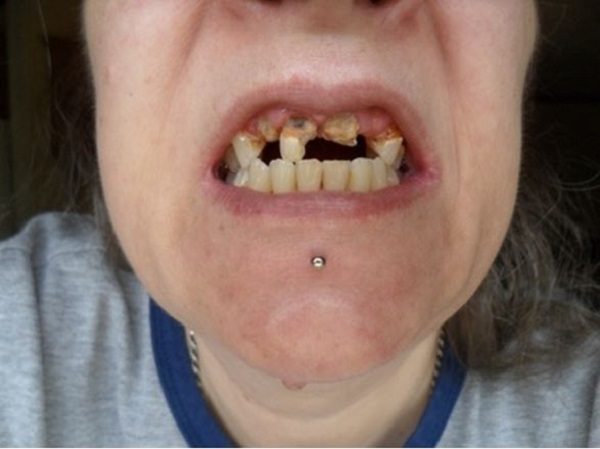
Amid the long and growing list of side effects associated with the fluoroquinolone antibiotics (Cipro/ciprofloxacin, Levaquin/levofloxacin, Avelox/moxifloxacin, Floxin/ofloxacin and a few others), dental problems seem increasingly prevalent but least understood. On the patient boards, dedicated to understanding the adverse reactions of these antibiotics, patients routinely report serious dental problems after taking fluoroquinolone antibiotics.

Susan, pictured above, age 50, reported the following:
"My top teeth started rapidly decaying after the Cipro, the bottom ones are going too, but at a slower pace. Over the summer, I had all my top teeth pulled, they were just snapping off, one by one. This is what they looked like just before having them removed."
Christopher, also age 50, reported:
"Finally my teeth started to deteriorate and calcify as well. This happened very suddenly. My teeth then began cracking and breaking off at the gum line. Eventually I lost all of my teeth. It was the scariest thing I have ever experienced in my life."
One woman wrote the following about her mother, age 72:
"My mom has had several rounds of Levaquin over the years and it destroyed her gut. Along with other chronically prescribed medications, by the time we reached her last prescription of Levaquin, she was very ill and severely depleted in several key nutrients. Through much pain and suffering, we removed all unnecessary medications, which turned out to be all of them. It took 6-8 months to titrate some of the medications down gradually before complete cessation. During that time, we cleaned up her diet (mostly organic, no gluten, no sugar, no processed food) and added nutrient supplements (B vitamins, vitamin D, magnesium, coQ10, fish oil, and others). She swims regularly. As a result, I think she has mostly avoided the side effects of these drugs. Recently, however, her teeth began falling out - just falling out. She had really good teeth before this, no problems whatsoever. Each time a tooth came out, there was a period of what I think was nerve pain, but the dentist couldn't find anything. Then, a couple days later the tooth would fall out. Three teeth have fallen out so far. We don't know what to do."

Comment: Don't get 'floxed'. Do your research on this dangerous antibiotic: Magnesium may offer some hope in combating the effects of fluoroquinolones. This commenter offers some advice:
Levaquin drastically depletes your body of magnesium, and kills mitochondria in connective tissue, as well as various other negative things.

You can certianly do a liver cleanse, but you MUST get magnesium into you.

You're right. Doctors don't particularly believe that Levaquin can hurt a body. They also don't particularly believe in vitamins and minerals.

So I think you'll agree that they're no help.

You asked about Magnesium. You want to get as much into and onto you as you can.

Epsom salt baths daily (there's magnesium in the bath salts). Topical application of magnesium sprays or creams.

Oral ingestion. As much as you can get into you throughout the day. The trick is, don't take too much at once. I'll point you to a pain talking about dosage here in a moment.

You can take as much magnesium as your body needs. It's probably a lot. In the hospital they give magnesium by IV injection, in the amount of 10,000 mg. So the body can handle whatever you're going to be able to tolerate orally. And topical application isn't an issue. The more the merrier.

Until a person gets enough magnesium into them, over a long enough time, they have little to no chance of healing.

Don't get me wrong, some people do recover 'naturally' over time. But the rest, don't. Nor will they, unless they give their body everything it needs nutritionally to have a chance to heal and repair AND to start operating properly again.

See:
Magnesium Dosage
Magnesium for Tendonitis
Magnesium Side Effects


Question

Is there a simple solution to reduce America's lethal overdose epidemic?

benzos
Another type of prescription drug is implicated in thousands of opioid ODs each year.

The United States is in the grips of the worst drug overdose crisis ever, with prescription opioids and illicit opiates like heroin killing tens of thousands of people each year, but many of those people aren't dying from opioids alone. Another class of prescription drugs is too often involved.

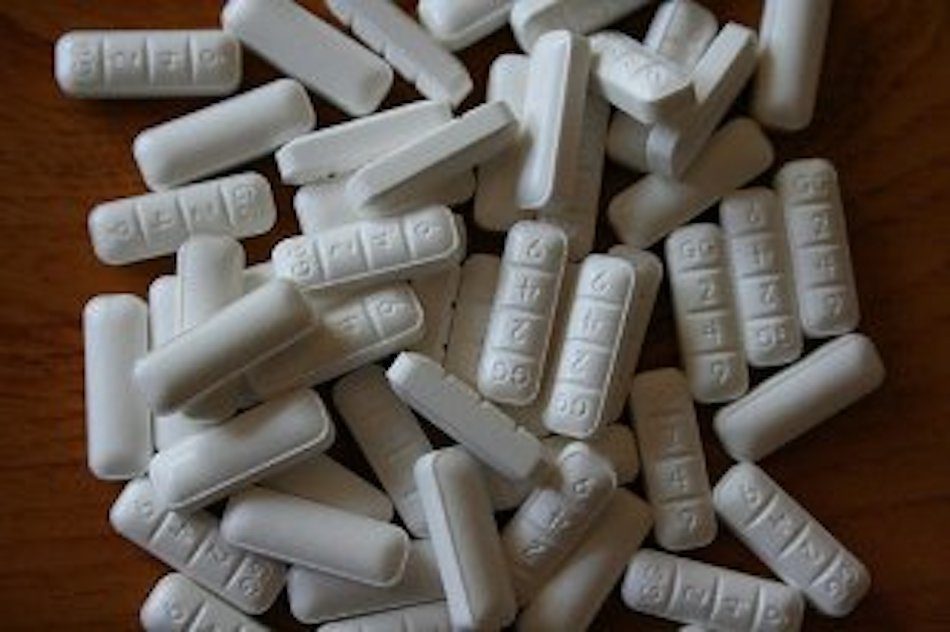
Those drugs are the benzodiazepines—with brand names like Valium and Xanax—and are prescribed by the millions to treat anxiety, They can be deadly on their own, with federal data showing nearly 9,000 fatal benzo ODs in 2015. But here's the kicker: Nearly half of all fatal benzo ODs involve both them and opioids.

And a new study published in the British Medical Journal provides further evidence of the risks of doing benzos and opioids together. That study drew on a sample of more than 300,000 patients continuously enrolled in private health insurance plans between 2001 and 2013, and researchers looked at emergency room visits for drug overdoses among those prescribed only opioids versus those prescribed both opioids and benzos.

Syringe

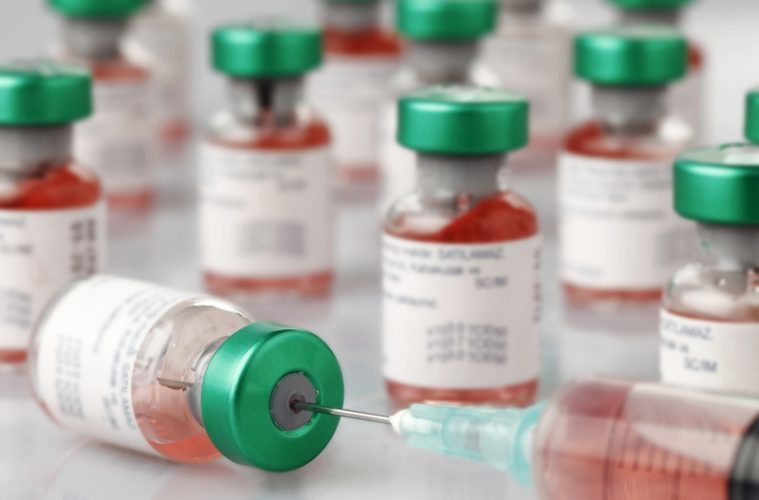
When it comes to vaccines what is herd immunity?

herd immunity
Vaccine safety has been making major headlines lately, and for good reason. More and more people are starting to recognize the risks associated with vaccines, particularly with some of their more dangerous ingredients like mercury and aluminum. However, many still argue that we're better off getting vaccinated than not, so much so that children are ostracized from their schools if their parents decide they don't want them to be vaccinated.

People all over the world have voiced their opinions on this topic, many of whom seem to think that their children will be in danger if they're in contact with other children who aren't vaccinated. Do unvaccinated children really pose a threat to society, or is this just something Big Pharma and the government have conditioned us to believe?

Because of a concept called "herd immunity," many people believe that through the widespread implementation of vaccinations, we can completely eradicate the spreading of disease. However, this commonly used term is vastly misunderstood and is, as a result, used misleadingly to support the pro-vaccine argument.

Comment: Where are the epidemics, if only half of America is properly vaccinated?
While herd immunity may not exist, herd mentality most definitely does. Health authorities, media commentators, and schools and their parent - teacher associations waste no opportunity in perpetuating this myth. Proponents have done such a thorough job of convincing the public that a parent who questions it is treated like someone who thinks the earth is flat or believes climate change is a conspiracy. On the contrary: an unprejudiced view of the science about vaccines, and an examination of history, clearly show that the herd immunity theory is—and always has been—flawed.

Vaccines may have a place in our medical arsenal, but they are not the silver bullet they're portrayed to be. Year after year the pharmaceutical industry, looking for lucrative new profit centers, churns out new vaccines. They use pseudo-science to convince the public that these products are safe and effective, and they use public shaming to convince the citizenry that non-compliance is a public health threat. This entire racket completely falls apart with a close examination of the herd immunity myth. Until we are honest in our assessment of both the safety and efficacy of vaccines, kids will continue to be hurt, rights will continue to be trampled, and mythology will continue to trump science.


Health

World Health Organization: Depression is leading cause of illness in the world

Media depression
Depression is the leading cause of illness and disability across the globe, the World Health Organization (WHO) has announced. The condition's prevalence rose more than 18 percent in a decade, with 300 million people now suffering from it.

The WHO's figures, released Thursday, studied worldwide depression from 2005 to 2015, showing an increase of more than 18 percent during that period.

The organization said it has identified "strong links" between depression and other non-communicable disorders and diseases.

"Depression increases the risk of substance use disorders and diseases such as diabetes and heart disease," it said in a statement, noting that the reverse is also true - that people suffering from those conditions also have a higher risk of depression.

Health

High doses of Vitamin C can treat cancer safely and effectively

cancer patient and chld
© Getty Images
High doses of vitamin C injected into the blood stream could prove effective in treating cancer, according to new research.

Scientists said vitamin C infusions, which were up to 1,000 times higher than recommended intake levels, selectively targeted tumour cells in cancer patients.

This increased the rates of cell deaths and sensitised them to radiation and chemotherapy.

The treatment also appeared to be safe, producing mild side effects such as frequent bathroom trips and a dry mouth.

Comment: Intravenous vitamin C does more than just kill cancer cells. It boosts immunity and can stimulate collagen formation to help the body wall off the tumor. It inhibits hyaluronidase, an enzyme that tumors use to metastasize and invade other organs throughout the body and corrects the almost universal scurvy in cancer patients.