Health & WellnessS


Brain

'Gluten Brain': Wheat cuts off blood flow to the frontal cortex

gluten brain
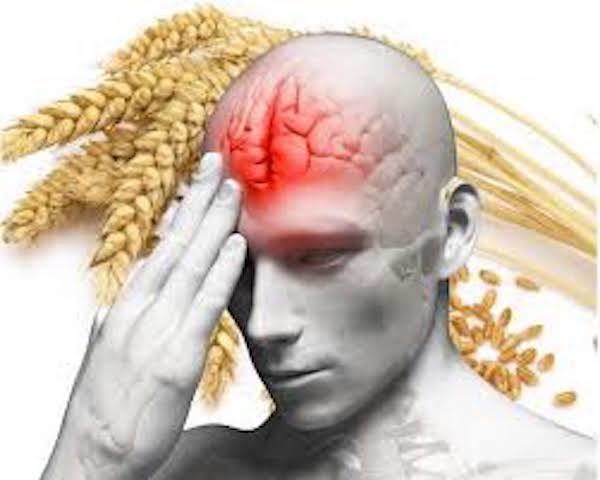
Wheat consumption has been linked to psychiatric conditions like schizophrenia for over 60 years, but recent research indicates the mind-altering properties of this popular food are, in part, caused by it cutting off blood flow to the frontal cortex of the brain.

As far back as 1954, reports of the full or partial resolution of schizophrenia following a gluten free diet began to surface in the medical literature. I explored this remarkable phenomenon in a previous article titled, "60 Years of Research Links Gluten Grains to Schizophrenia". While the explanation for this intriguing connection has remained focused on the disruption of the gut-brain axis and the presence in wheat of a wide range of pharmacologically active and mostly opioid receptor modulating polypeptides with glutathione-depleting properties, a new and possibly more disturbing explanation is beginning to surface: wheat consumption also cuts off blood flow to the brain.

Starting with a 1997 case study published in the Journal of Internal Medicine involving a 33-year-old patient, with pre-existing diagnosis of 'schizophrenic' disorder, who first came to medical attention for severe diarrhea and weight loss (classical symptoms of gluten intolerance), brain scan technology determined that cerebral hypoperfusion (decreased blood flow to the brain) was occurring within the patient's frontal cortex.[i] A gluten free diet resulted not only in the normalization of intestinal damage and autoantibodies, but also in the return of blood flow to the frontal cortex, and the resolution of schizophrenic symptoms.

Hearts

The best nitrate-rich veggies for heart health

NO vegetables
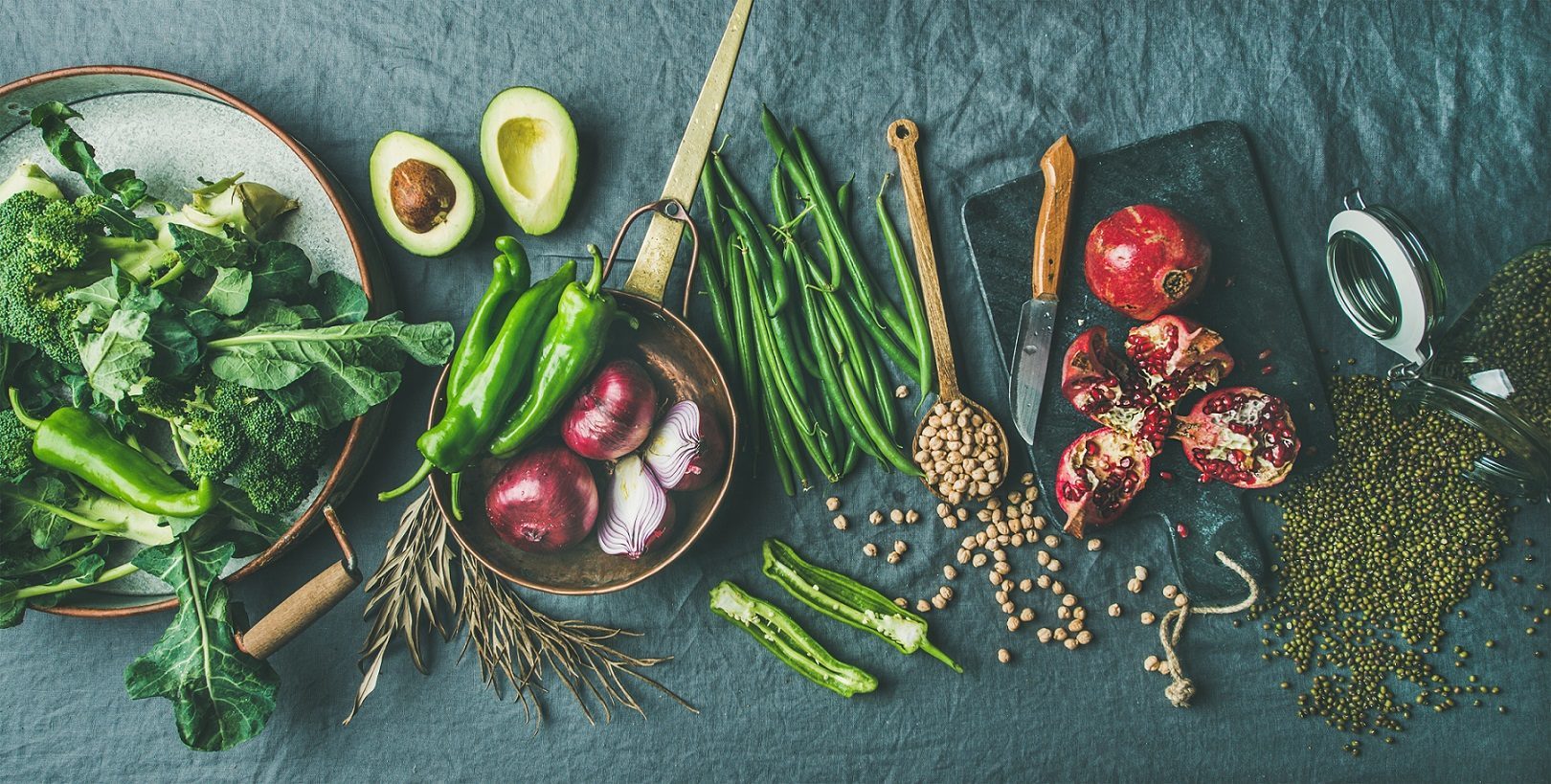
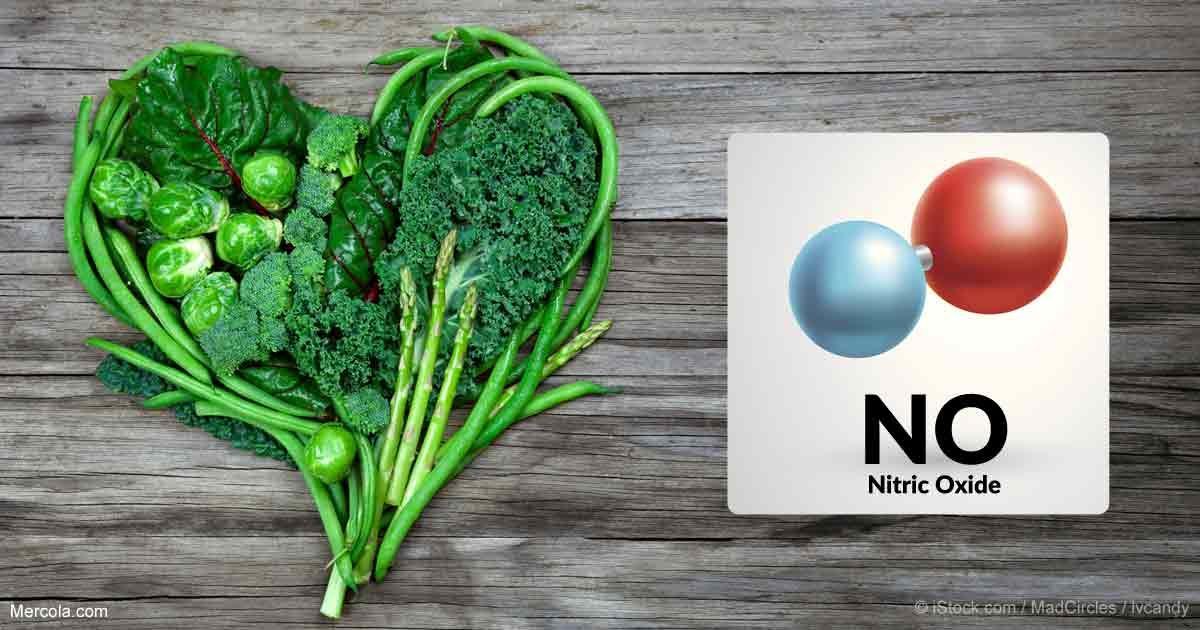
Research has shown that the more vegetables you eat, the lower your risk of heart disease, with different types of vegetables protecting your heart through different mechanisms. Leafy greens, for example, have high amounts of nitrates that naturally boost your nitric oxide (NO) level.1 Cruciferous veggies, on the other hand, lower your risk of stroke and heart attack by promoting more supple neck arteries and preventing the buildup of arterial plaque.

In fermented cabbage, it's the fiber content that helps lower blood pressure and improve blood sugar control, thereby lowering your risk of heart problems. Phytonutrients in sauerkraut also help promote easy blood flow and flexible blood vessels, and veggies rich in magnesium and quercetin also provide important heart benefits. Following is a summary of some of the top vegetable types for maintaining healthy heart function well into old age.

Nitrate-Rich Veggies Boost Heart Health and Lower Risk of Heart Attack

Extinguisher

Nutrition that addresses chronic inflammation

veggies
Diet is among the most basic of approaches to healing vaccine damage and other disorders consistent with chronic inflammation.
One of the hallmarks of many chronic diseases and disorders is unresolved inflammation in the body. Chronic inflammation can develop when the immune system's normal inflammatory response to an implied threat continues unabated rather than turning off once the threat is gone.1

Chronic inflammation is a common link among autoimmune disorders like rheumatoid arthritis, lupus and multiple sclerosis; in cardiovascular disorders that lead to heart attacks and strokes; in neurological disorders such as Alzheimer's, Parkinson's and epilepsy; and in mental disorders such as depression and schizophrenia.1 Vaccination has been reported to trigger the development of autoimmune disorders associated with chronic inflammation. 2

Comment: The Health & Wellness Show: Inflammation - The Root of Disease


Attention

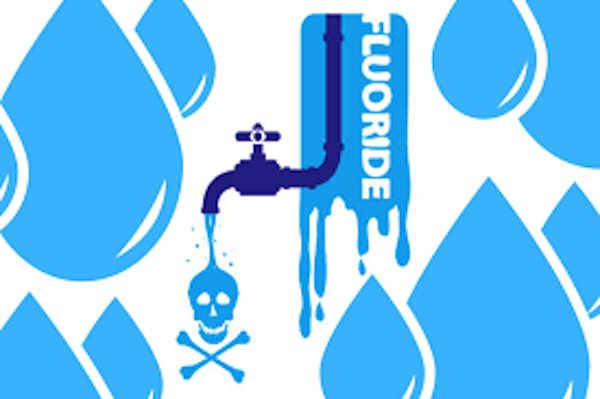
Fluoride officially classified as a neurotoxin

Fluoride
Evidence of how negatively fluoride can impact our health has been increasing in rapid pace throughout the past few years. People are hoping that by bringing awareness to this that somehow we can get sodium fluoride removed from the world's water supply.

A big step has been made here recently. In the most prestigious medical journal. One known as The Lancet, fluoride has been at last classified as a neurotoxin one hundred percent. This puts it in the same category as things like lead, arsenic, and mercury.

This news was released by the author Stefan Smyle who actually cited a report that had been published in The Lancet Neurology, Volume 13, Issue 3 to be exact in the March of 2014 edition. In this, the authors stated that many more of these neurotoxins remain undiscovered throughout the world. They noted that many children are now being affected by neurodevelopmental disabilities caused by these neurotoxins. These authors have found that while fluoride in our water supplies is a major cause an issue there is another major cause as well, fluoride can actually also be found in heavily processed brands of tea that are grown in most likely overly polluted areas.

Comment: Fluoride: No such thing as a safe level of exposure


Info

Alternatives to psychiatry: Coming off psych drugs based on personal & professional experience

psych drugs
© Poking Schizophrenia
It's been over 5 years since I started offering non-medical consultations to people in the process of coming off or hoping to come off psych drugs. I have also worked with families of people looking for alternatives and seeking to get out of the hospital/medication runaround.

Before I started this consulting business, I had gained a decade of professional experience with various organizations using different approaches to support people seeking alternatives to psychiatry. Working for these different groups and businesses helped me to learn about models of peer support, nutritional and herbal/supplemental support for the body, detox strategies, tapering methods, and the common challenges people face when withdrawing from substances their doctors told them were safe and medicinal.

I also had my own experience of getting off of 7 different psychiatric pharmaceuticals. I knew I would have died if I hadn't been able to safely withdraw (and the story would have been that I died of mental illness).

Comment: The Health & Wellness Show: Psychiatric drugs and the Moral Compass


Dollars

Goldman Sachs analysts ask "Is curing patients a sustainable business model?"

Analyst report notes that Gilead's hep C cure will make less than $4 billion this year.
Goldman Sachs bank logo
© Jaap Arriens/NurPhoto via Getty ImagesThe Goldman Sachs bank logo is seen reflected on the screen of a mobile phone in this photo illustration on November 15, 2017.
One-shot cures for diseases are not great for business-more specifically, they're bad for longterm profits-Goldman Sachs analysts noted in an April 10 report for biotech clients, first reported by CNBC.

The investment banks' report, titled "The Genome Revolution," asks clients the touchy question: "Is curing patients a sustainable business model?" The answer may be "no," according to follow-up information provided.

Analyst Salveen Richter and colleagues laid it out:

Red Flag

Survival of the fittest in a toxic world

toxic world
What we do to the Earth we do to ourselves.

Toxins of lead, cadmium, mercury, barium, strontium, and aluminum are pervasive in our environment and part of our daily lives. I first learned that I contained high levels of barium, strontium, and tungsten, in 2009, when I received the results of urine test that identified heavy metals. Knowing my toxic levels gave me information that I used to reverse profound hypothyroidism within less than a year. If you know the cause, you know the cure.

We are bathed in toxins from our food, air, water, soil, computers, cosmetics, and drugs, including vaccines. The toxins in the environment are the same ones swimming in our bodies, and in our children's bodies.

Toxicity has become the driving force of illness on Earth for humans and all life. These dangers have increased in the last decade despite government regulations claiming to clean the air, water, and land. One might suspect that government has created this mess with regulations that allow corporations to write their own rules, while writing off the consequences of their actions.

Magnify

Microplastics in your meal?

microplastics
© Greenpeace
Microplastics in the ocean are making their way up the food chain.

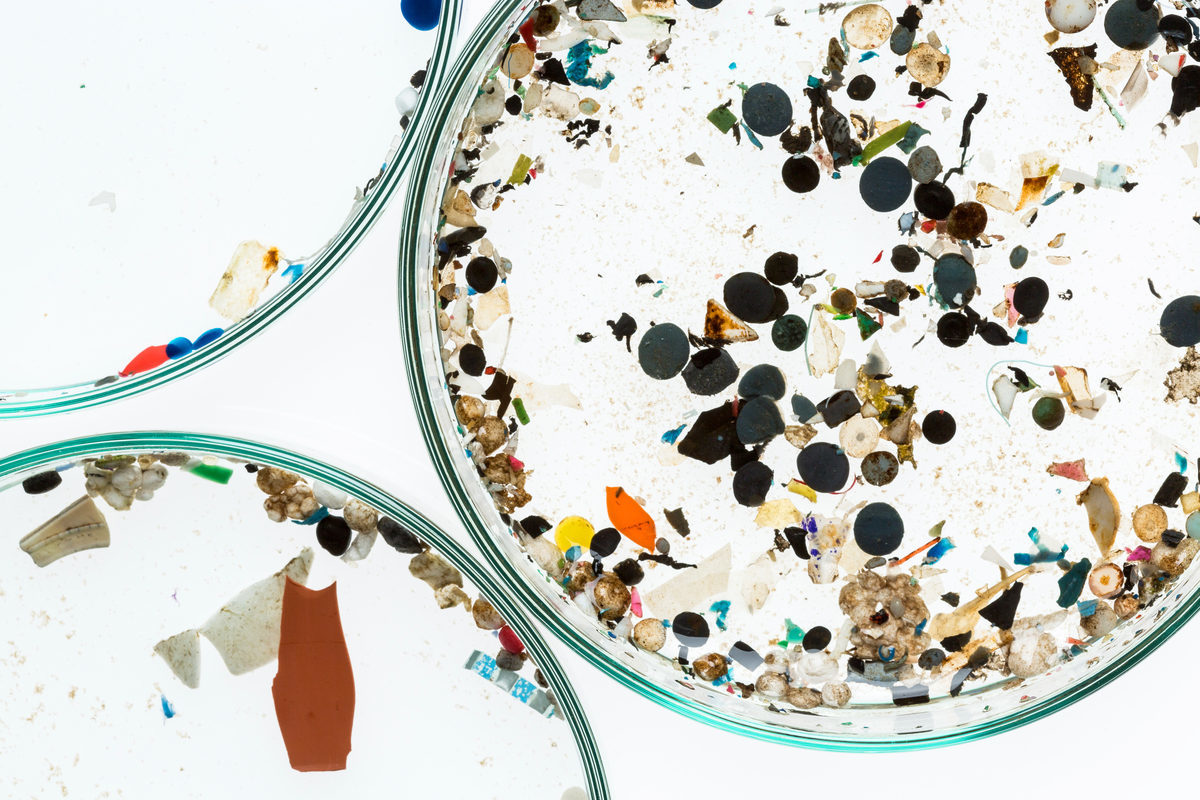
The proliferation of microplastics in the ocean has led to concerns that they might work their way up the food chain to us.

But when researchers at Heriot-Watt University set out to investigate that concern, they found that plastics in our own homes pose a much greater threat to humans.

The results of the study, published March 29 in Environmental Pollution, found that humans likely consume about 114 plastic microfibers each meal simply from household dust that settles on their plates.

Comment: The Health & Wellness Show: Not to get Drastic, but the Plastic is Making us Spastic!


Pills

Drug Safety & Big Pharma deception

Big Pharma
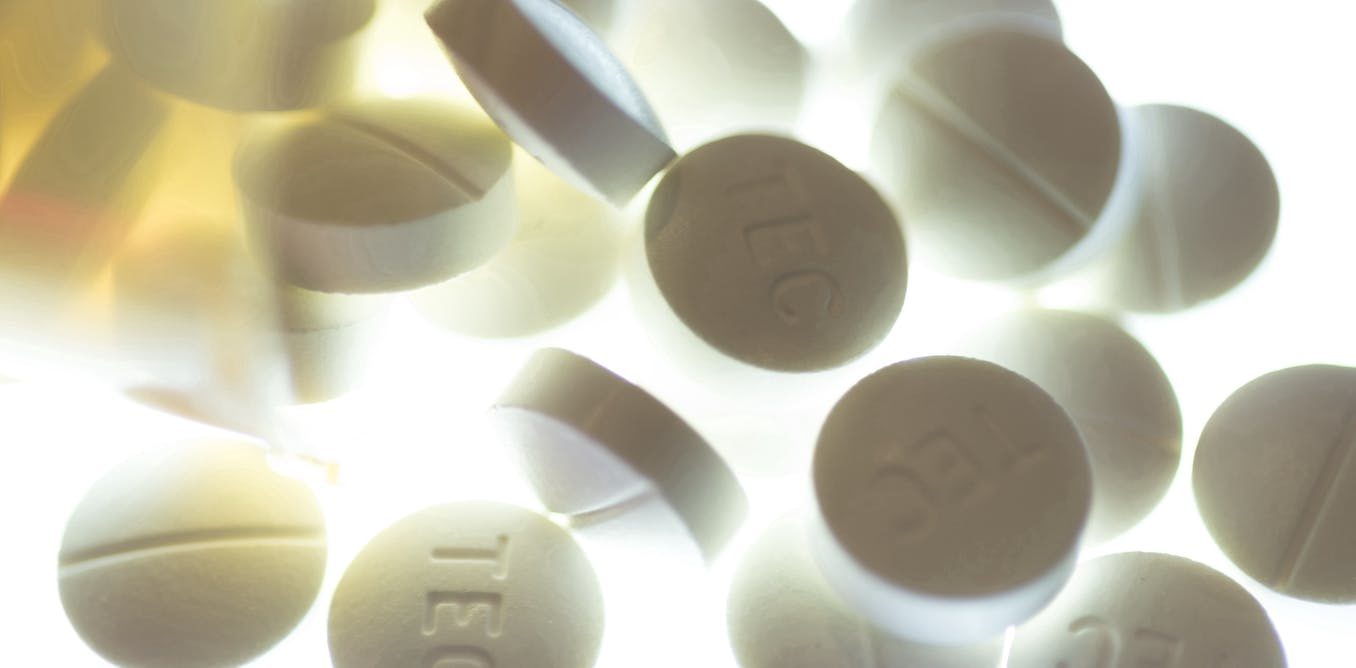
© THE CANADIAN PRESS/Graeme RoyThousands of people are dying every year of opioid-related overdoses, in an epidemic that traces its roots to 1996 and the introduction of the prescription drug OxyContin.
The recent decision of a Saskatchewan judge to reject the proposed settlement between the provinces and Purdue Pharma, the maker of OxyContin, should raise serious questions.

Purdue introduced the prescription drug OxyContin in 1996 and marketed it as safer and less addictive than other opioids. This is now seen by many as the beginning of the opioid crisis in Canada. The settlement in question was meant to compensate patients who were victims of the opioid epidemic and the provinces for some of their additional health-care costs in dealing with the epidemic.

The decision should raise questions not just about how Purdue marketed OxyContin, but also about how Health Canada regulates - or more accurately does not regulate - the promotion of prescription drugs in Canada.

Comment: More Big Pharma deception:


Hearts

Sugar - not salt - bigger threat to blood pressure

Sugar
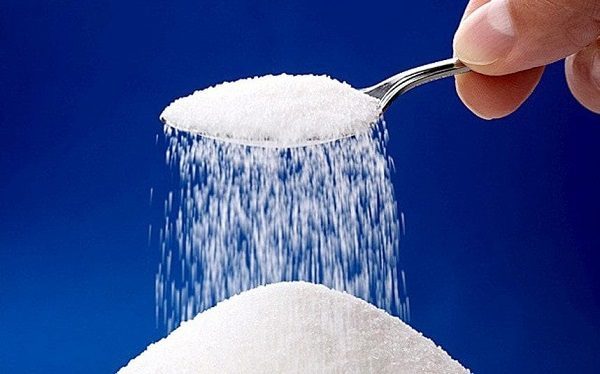
Salt has gotten a bad rap when it comes to blood pressure. Sugar is the real culprit.
For over a hundred years medical researchers have promoted the theory that salt consumption is a primary driver of high blood pressure and leads to cardiovascular deaths.

Some have even called salt "the single deadliest ingredient in your pantry." And most conventional doctors still insist that cutting salt in the diet lowers blood pressure and saves lives.

But compelling research published in the BMJ journal Open Heart points to sugars, particularly fructose, as a bigger threat when it comes to blood pressure and heart disease.[i]

The authors of this study from Saint Luke's Mid America Heart Institute in Kansas City, and Montefiore Medical Center in New York, call the benefits of cutting sodium "debatable." And in fact, the link between salt and heart disease is shaky.

Restricting salt actually reduces blood pressure very little on average. And in a 2011 meta-analysis the respected Cochrane Collaboration found that moderate reductions in salt don't reduce the likelihood of dying or developing cardiovascular disease.

Comment: More on sugar's link to heart disease: