Health & WellnessS


Alarm Clock

Kids' health benefits from later school start times

kids in class
Middle school classes should start after 8 a.m. to help students get more sleep and be more awake during their morning classes, a new study published in the Journal of School Health suggested.

In conducting the study, the research team analyzed data on 11 middle schools located in a large suburban mid-Atlantic school district during the 2014-2015 school year. Of the schools that they studied, eight schools with seventh- and eighth-grade students had later start times around 8 a.m., while three schools had seventh to twelfth-grade students and began classes around 7:23 a.m.

Overall, the research team observed about 1,000 students. Parents and students also answered online questionnaires about the students' bedtime on weeknights and weekends, school-day and weekend wake times, and length of sleep. In addition, the students rated their daytime sleepiness and described situations when they found it hard to stay awake or fell asleep during the day.

The team found that students studying in schools that start classes before eight in the morning had an average of eight hours and nine minutes of sleep; while students at later-starting schools had eight hours and 23 minutes of sleep on average. For all students, the average bedtime was around 10 p.m. on weekdays and 11 p.m. on weekends.


Comment: See also:


Padlock

Monsanto's epic fail: Public Relations department attempted attack on global Glyphosate Study

Monsanto
The peer-reviewed accepted manuscripts from the pilot phase of the Global Glyphosate Study were revealed last Wednesday in a Press Conference at the European Parliament.

The results of the short-term pilot study showed that glyphosate-based herbicides (GBHs) were able to alter certain important biological parameters in rats, mainly relating to sexual development, genotoxicity and the alteration of the intestinal microbiome, at the 'safe' level of 1.75 mg/kg/day set by the U.S. Environmental Protection Agency (EPA).

As is normal practice for Monsanto, their Public Relations department was soon in action to try and crush the scientists involved and the study results, which could cause major damage to the product that supports their whole business model - the glyphosate-based herbicide Roundup.

Document

In defense of Acupuncture

acupuncture
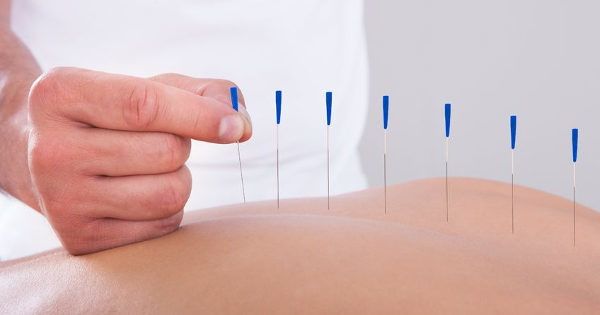
A recent article in the British Medical Journal asked whether doctors should recommend acupuncture for pain and then presented the argument for both sides. However, the argument against acupuncture suffered from three important flaws.

FLAW #1: MISREPRESENTING THE CONCLUSIONS OF THE RESEARCH

The case against recommending acupuncture based much of its argument on the claim that "not one of 12 Cochrane reviews of acupuncture for pain reported a clinically important effect beyond placebo. . . ." However, in at least several of the cases, the authors misrepresent and overstate the negative conclusion.

The 2005 review of low back pain to which they refer, for example, did say that "The data do not allow firm conclusions about the effectiveness of acupuncture for acute low-back pain." But, it also says that for "chronic low-back pain, results show that acupuncture is more effective for pain relief than no treatment or sham treatment" and that "for chronic low-back pain, acupuncture is more effective for improving function than no treatment." Finally, the review concludes that "When acupuncture is added to other conventional therapies, it relieves pain and improves function better than the conventional therapies alone."

Comment: Why acupuncture works:


Syringe

Congo to begin administering experimental Ebola vaccine following WHO warnings

congo ebola vaccine
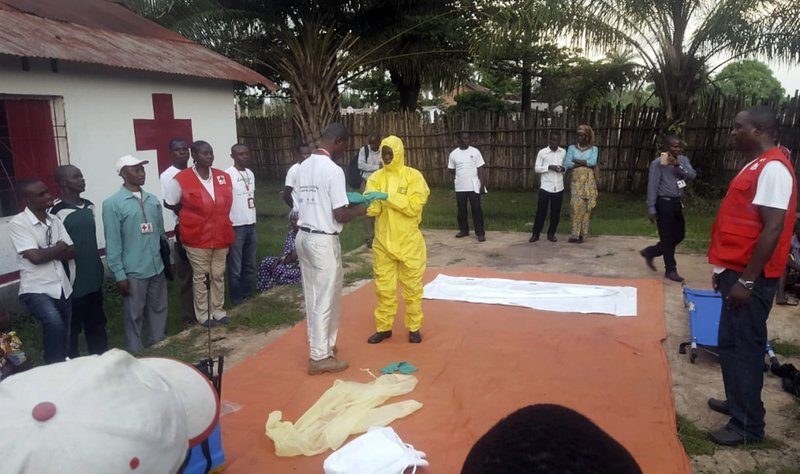
Congo will begin administering an experimental Ebola vaccine Monday in Mbandaka, the northwestern city of 1.2 million where the deadly disease has infected some residents, Congo's health minister announced.

"The vaccination campaign begins tomorrow, Monday, in Mbandaka, capital of the province. It will target, first, the health staff, the contacts of the sick and the contacts of the contacts," Minister of Health Oly Ilunga told The Associated Press Sunday.

The death toll of the current Ebola outbreak has risen to 26.

Initially, the campaign will target 600 people, mainly medical staff, contacts of suspected cases, and those who have been in contact with the contacts, said Ilunga. Officials are working urgently to prevent the disease from spreading beyond Mbandaka, which lies on the Congo River, a busy traffic corridor, and is an hour's flight from the capital.

More than 4,000 doses are already in Congo and more are on the way, according to officials. The vaccine is still in the test stages, but it was effective in the West Africa outbreak a few years ago.

A major challenge will be keeping the vaccines cold in this vast, impoverished, tropical country where infrastructure is poor.

Comment: Right on cue: Scare tactic to vaccinate? WHO may declare international emergency as Ebola outbreak reaches major city in Congo

See also:


Magnify

Water woes: Don't swallow that pool water, it's a breeding ground for waterborne diseases

Diseases swimming pools
It's vacation season - time for swimming pools, hot tubs and waterparks. But you might want to think twice before getting wet, says a new report from the U.S. Centers for Disease Control and Prevention.

From 2000 to 2014, public health officials from 46 states and Puerto Rico reported 493 outbreaks associated with treated recreational water, resulting in more than 27,000 illnesses and eight deaths, according to a report in the May 18 Morbidity and Mortality Weekly Report. Hotel pools and hot tubs were the setting for about a third (32 percent) of the outbreaks, followed by public parks (23 percent), club/recreational facilities (14 percent) and water parks (11 percent).

Most of the infections were from three organisms that can survive chlorine and other commonly used disinfectants: Cryptosporidium, a parasite that can cause gastrointestinal problems, Pseudomonas, a bacteria that causes swimmer's ear, and Legionella, a bacteria that causes a pneumonia-like illness.

So, what to do? The CDC recommends a few steps before diving in: Don't swallow pool water. Don't let children with diarrhea in the water. And use test strips to measure levels of pH, bromine and chlorine in the water. The cleaner the water, the safer to swim.

Comment: Fox News adds that while most of the diseases were due to pathogens, many were due to the chemicals used to treat the water. See:


Comet 2

Deadly Nipah virus has no cure, little is known about its transmission, and it has re-emerged in India

nipah virus
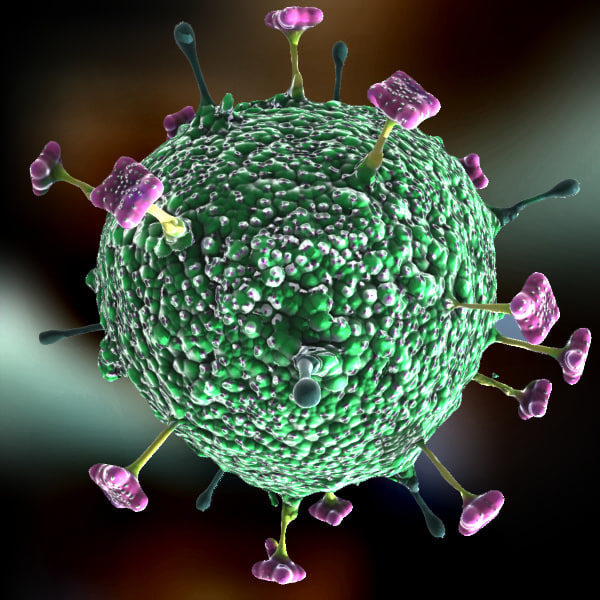
At least nine people in southern India have died in cases linked to an outbreak of the rare and extremely deadly Nipah virus, according to a report by the BBC.

Nipah is considered a newly emerging deadly virus - scientists only found out that it could jump from bats to other species, including humans, within the past 20 years.

The disease is currently incurable and can be transmitted from person to person. It has killed between 40 percent and 75 percent of infected people in most outbreaks.

Comment: There seems to be an increase in the spread of infectious diseases so one would do well to look to past plagues for clues: For more on the outbreak of plagues and planetary upheaval, check out SOTT radio's: Behind the Headlines: Who was Jesus? Examining the evidence that Christ may in fact have been Caesar!


Shopping Bag

How the FDA's new definition for 'Natural' food could affect your pantry

healthyish
© Annalee Soskin
What does "natural" mean?

Debating the definition of the word is like debating whether people see colors the same way. Is your "natural" wine like my "natural" quinoa? We're all on the same page about trans fats, thanks to the FDA's 2006 requirement that they be declared on Nutrition Labels. The same goes for "organic," which the U.S. Department of Agriculture clarified in 2000 as being free of synthetic chemicals. But when it comes to defining "natural" food, we're still on our own.

The term first appeared on labels in the 1970s, and it rose in popularity as shoppers embraced the health-associated buzzword in their pantries. In 2015, about 60 percent of surveyed consumers thought packaged foods labeled "natural" were made with no toxic pesticides, no artificial colors or ingredients, and no GMOs. Between 80 and 85 percent of them thought that "natural" should indicate each of those three things.

Comment: Natural' food labels are essentially meaningless:


Moon

Is the lunar effect on human behavior and health real?

moon
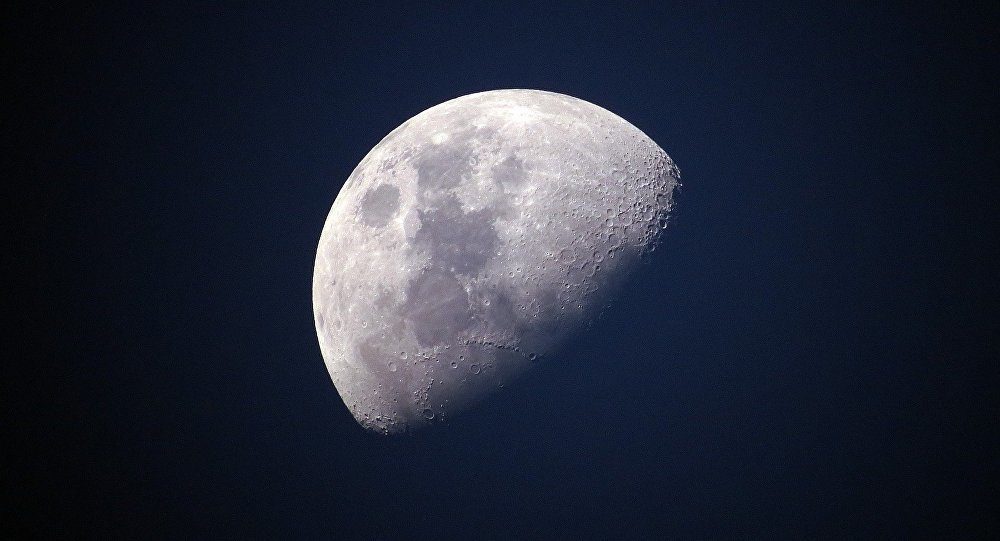
This natural phenomenon takes place once every 29.53 days, or roughly once a month. As it did in March 2018, it sometimes appears twice a month. It occurs when the moon is completely illuminated by the sun's rays as a result of the Earth being nearly directly aligned between the sun and the moon. By now, you probably know what it is: a full moon.

Urban legend suggests the full moon brings out the worst in both people and situations. If you talk to emergency room (ER) personnel, firefighters, paramedics and police officers, they very likely will share a story or two about the "lunacy" that occurs on nights when the sky is enlivened by a full moon.

By the way, the word lunacy and a related term "lunatic," which was coined in the mid-16th century to refer to a temporary insanity in humans attributable to changes in the moon, have their origin in the Latin root "luna," which means moon.

According to Scientific American, "Belief in the 'lunar lunacy effect,' or 'Transylvania effect,' as it is sometimes called, persisted in Europe through the Middle Ages, when humans were widely reputed to transmogrify into werewolves or vampires during a full moon."1 But is it true? Does a full moon negatively affect human behavior? Let's take a closer look at the facts.

Comment: See also:


Life Preserver

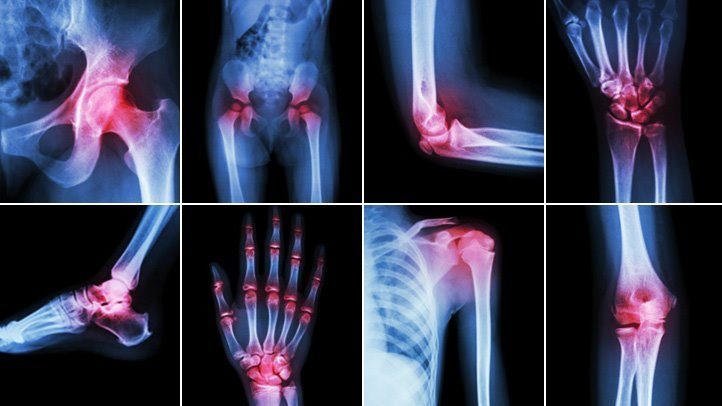
Can mind-centered techniques help heal arthritis?

Arthritis
The Arthritis Foundation says on its website that, 'by conservative estimates, about 54 million adults have doctor-diagnosed arthritis.' Furthermore, they start off their How to Prevent Arthritis section by stating, 'The fact is, there is no sure way to prevent arthritis.'

If you already have arthritis, they do offer a few specific examples of things you can do to manage it. For osteoarthritis, they recommend that you maintain a healthy weight; for rheumatoid arthritis that you do not smoke; and for gout, they advocate that you eat a healthful diet, low in sugar, alcohol and purines. They add the following at the end:
Right now, because scientists don't fully understand the causes or mechanisms behind these diseases, true prevention seems to be impossible. However, there is real hope that someday some or all types of arthritis and related conditions can be prevented.

Light Sabers

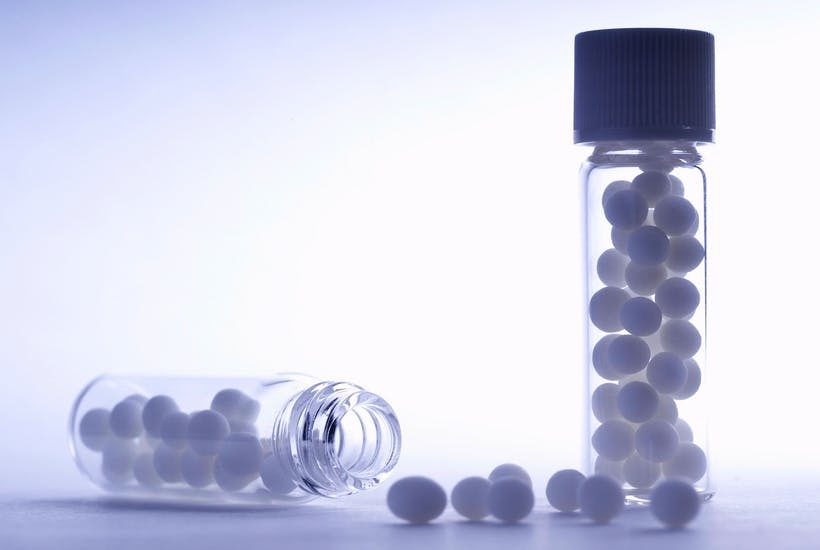
Slaying Americans' freedom of health choices and homeopathy

homeopathy
With the unknown, one is confronted with danger, discomfort and worry; the first instinct is to abolish these painful sensations.

First principle: any explanation is better than none.... The search for causes is thus conditioned by and excited by the feeling of fear. The question "Why?" is not pursued for its own sake but to find a certain kind of answer - an answer that is pacifying, tranquilizing and soothing. - Friedrich Nietzsche, The Twilight of the Idols
A fundamental foundation of American democracy is our freedom of choice. We have the legitimate right to pursue a career, decide where to live, what to read or watch, the freedom to vote or not, and decide who to marry or live with. Americans hold this these freedoms sacred, at least in theory.

Comment: The following articles present interesting information about Why Skeptics Love to Hate Homeopathy:
So why do the skeptics love to hate homeopathy? Perhaps because it is one of the most threatening alternative modalities - financially, philosophically, and therapeutically. Actually, homeopathy has been a threat to allopathy ever since the 1800s, when German physician Samuel Hahnemann developed the homeopathic system.

But does homeopathy really pose such a threat to conventional medicine today? To see how the little David of homeopathy could take down the Goliath of Big Pharma, we need to take a closer look at what homeopathy is all about.