Health & WellnessS


Muffin

Gluten and Your Teeth: Could dentists potentially spot undiagnosed celiac disease?

nice teeth smile
© Ingram Publishing/Thinkstock


Celiac disease doesn't just affect the gut. It can have widespread impact throughout your body, from your skin and joints to your mood and brain. Research shows your pearly whites can also be affected, especially in children.


The year before I was diagnosed with celiac disease, at age 25, I got my first cavity. Six months later, I was back in the dentist chair getting two more fillings. As luck would have it, one of these cavities went rogue on me when I was on vacation and I developed hot, pulsing pain on the side of my face. Two days later, I underwent a root canal.

It's been ten years since my celiac diagnosis and I haven't had another cavity. I've often wondered: Could undiagnosed celiac disease have affected my teeth?

Comment: Considering the fact that undiagnosed celiac disease leads to malabsorption and nutrient deficiencies, and that the teeth are so dependent on good nutrition, the connection seems logical. It would be a real step forward if dentists were able to recognize the signs of celiac disease by spotting this particular type of tooth degradation and recommend investigation.

See also:


Shoe

Working your leg muscles helps to grow healthy new brain cells

jogger tie shoes
Neurological health is improved when these muscle groups move more.

Using the leg muscles helps to grow healthy new brain cells, new research discovers.

The legs do not just receive messages from the brain about when to move.

Leg movements - especially those bearing weight - send vital messages back to the brain.

Comment: The research seems to be pointed in the direction that exercise is good for your brain. The old stereotype about the reclusive nerds having more brainpower was apparently wrong - the jocks are the ones with the better functioning brains!

See also:


Info

Update on toxicity of Glyphosate weed killer and the proposed rule for labeling of GMOs

glyphosate
© Natural News
In recent years, concerns over the health effects of glyphosate - the active ingredient in Roundup and other weed killer formulations - has risen exponentially. Researchers have discovered it not only may be carcinogenic,1 but may also affect your body's ability to produce fully functioning proteins, inhibit the shikimate pathway (found in gut bacteria) and interfere with the function of cytochrome P450 enzymes (required for activation of vitamin D and the creation of nitric oxide and cholesterol sulfate).

Glyphosate also chelates important minerals, disrupts sulfate synthesis and transport, interferes with the synthesis of aromatic amino acids and methionine, resulting in folate and neurotransmitter shortages, disrupts your microbiome by acting as an antibiotic, impairs methylation pathways, and inhibits pituitary release of thyroid stimulating hormone, which can lead to hypothyroidism.2,3

Comment: Researchers like Dr. Stephanie Seneff have discovered and clearly explain the serious health concerns of Glyphosate based herbicides:


Info

Canola oil: Claimed as the 'healthiest of all oils' - increases memory loss

canola oil
Think your cooking oil is safe and healthy? Canola oil producers claim that it's the healthiest oil you can use, but science begs to differ. Unless significant weight gain and diminished memory are your idea of good health!

Canola oil has been heralded as a modern alternative to olive oil, backed by a big promotional push from North American growers. The Canola Council of Canada pulls no punches, calling it "the healthiest of all commonly used cooking oils."[1] The marketing campaign appears to be working: canola oil consumption in the United States has nearly tripled since 2000, up to almost 3 million metric tons in 2017.[2]

Comment: More disturbing truths about Canola Oil:


Cheeseburger

SOTT Focus: Grass-fed Beef — The Most Vegan Item In The Supermarket

A steak
Probably the most vegan item you can buy in the supermarket is a pound of grass-fed beef.

I was thinking about that heretical idea as I drove through my neighboring countryside, scanning empty cornfields for signs of life and wondering at the hubris of mankind. When did we decide that we can own all the lands of the Earth and use every square inch of it for our own needs? About 10,000 years ago, actually, when we invented the idea of agriculture.

Sadly, in the practice of agriculture it is impossible to not cause endless suffering to many living creatures. One could argue that the most suffering of all is caused by annual agriculture, the cultivation of vegetables, including grains, beans, and rice, that only take one year to grow from seed to food. We displace countless wild animals from their homes and lands when we cultivate annual crops. Not only that, we also kill thousands of creatures when we till the soil.

A perennial agriculture, on the other hand, based on trees, shrubs, and livestock, allows nature to thrive.

Megaphone

The EU needs to speak up to avoid 'backdoor' GMOs on our plates

GMO's
© Shutterstock"The ECJ decision is likely to suggest that foods and crops produced using these new GM techniques fall under the same category as existing GMOs. But this is very different from saying they will be regulated as such."
When is a genetically modified organism (GMO) not a GMO? This is the question that the ECJ will soon rule on after a complaint from a coalition of French agriculture groups reached the EU's highest court, writes Mute Schimpf.

Schimpf is a food campaigner for the environmental NGO Friends of the Earth Europe.

The European Court of Justice (ECJ) is expected to rule in the coming weeks whether new genetic modification (GM) techniques to make foods and farm crops - so-called 'GM 2.0' - are fully covered by existing safety laws.

Immediately after the ruling, the European Commission must quickly get its act together and ensure crops produced from new GM techniques are safety-checked and labelled, otherwise it will face public backlash and regulatory problems.

Comment: GMOs 2.0: Next generation of GMOs escapes regulation
Now, new genetic engineering technologies such as synthetic biology and gene editing are being hailed with the same promises of revolutionizing food production, medicine, fuels, textiles and other areas.

But a closer look at this next generation or "GMOs 2.0" technologies reveals possibly even greater risks than existing GMO technology with possible human health risks and negative impacts on farming communities worldwide, among other unintended consequences. And while products developed using current genetic engineering methods are regulated by the U.S. government, GMOs 2.0 products are entering the market with few or no regulations.


Arrow Up

5 Proven Ways To Boost Testosterone Naturally

rock balance
Boosting testosterone has become all the rage today, but unless you activate your body's innate ability to do it naturally you will have to face the possibility of serious side effects.
As men reach their mid-forties their testosterone levels begin to decline, with approximately 1% to 2% decrease in measurable blood levels annually, and then dropping off precipitously after age 60 into full blown "andro-pause." This ever-increasing decline can have a wide range of adverse effects, both physically and psychologically, ranging from muscle loss to insulin resistance, low libido to depression.

Today, an increasing number of aging men are opting for testosterone replacement therapy, some with dramatic results. But this approach, while often positive in the short term, can have some serious drawbacks in the long term, especially if the underlying and modifiable factors causing the deficiency are not addressed at their root.

First, testosterone replacement therapy often involves administering levels far higher than a normal physiologic dose, which increases the risks of serious side effects, including certain cancers.

Second, when testosterone is replaced, a negative endocrine feedback loop is activated sending a signal to the gonads to reduce its production further, ultimately feeding the original deficiency and even leading to testicular atrophy.

Third, when testosterone levels are suddenly increased through exogenous sources, there is often a concomitant increase in testosterone metabolites such as dihydrotestosterone (DHT) and estradiol, both which can lead to some particularly undesirable downstream effects, which include male pattern hair loss and excessive prostate growth.


Cheeseburger

SOTT Focus: The Meat-Guilt Industry: The Quest For The Perfect Veggie Burger Can't Remove The Taste of Lies

veggie burger
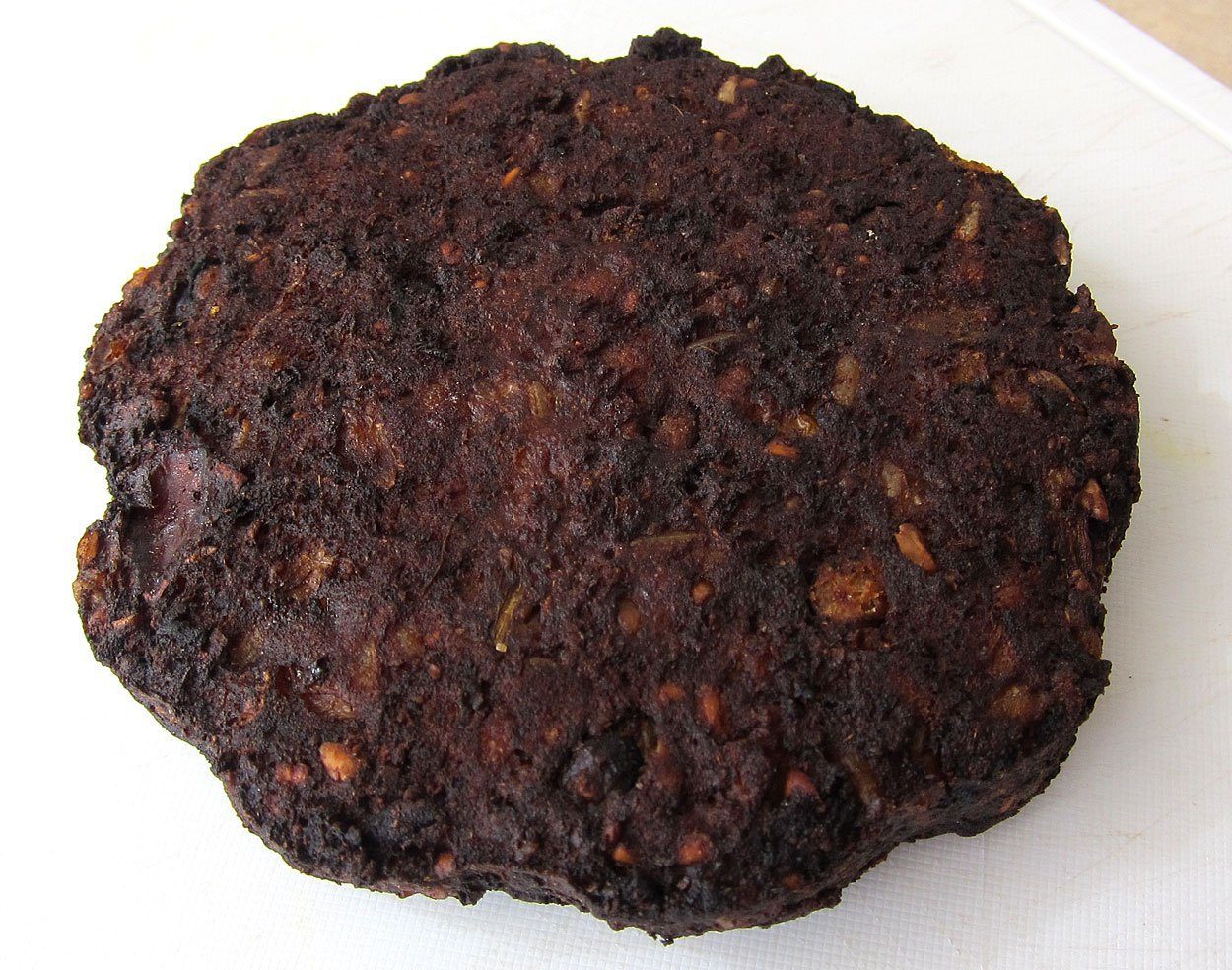
Whatever this dry hockey puck is missing in flavour is more than made up for by the benefits of self-righteous virtue-signaling when eating it. Smug is the new satiety
Exploiting guilt has probably been used as a manipulative technique for driving behavior since humans evolved the ability to feel emotions. Most of us are thoroughly conditioned to do whatever is necessary to reduce feelings of guilt, and the reality-creators who decide what is and is not acceptable are as adept as an Italian mother at exploiting this fact. Global warming, identity politics, smoking, being overweight - by establishing through repetitive conditioning what is considered acceptable, and thoroughly admonishing those who don't conform to such behavior, the actions of the populace at large are controlled via emotional manipulation.

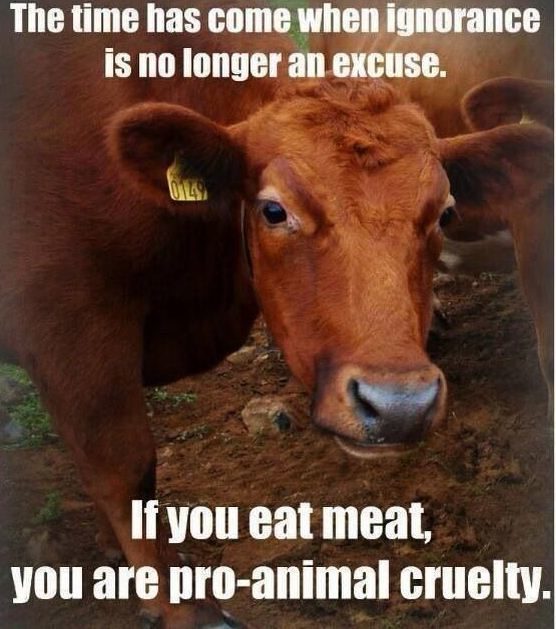
People are heavily guilt-tripped into correct behavior via diet. A lot of this comes from advertising, which is manipulative by nature, but it's also coming from most diet-related 'news' items in the mainstream media. These days the party line is essentially that meat is bad for you, bad for the environment, bad for the planet - and is unspeakably cruel on top of that. The closer you are to hardcore vegan, the better you are as a person.

See this manipulative meme as an example:
meat guilt
Rock-solid logic

Health

'Pharmaceutical approach should be our last resort' - Safe ways to address chronic pain

Boswellia serrata
© Fourfold Healing
Soon after I moved to California, almost 15 years ago, I received a notice saying that all physicians in California needed to take and pass a course on pain management to renew their license. The motivation behind this initiative, we were told, was that pain syndromes were left unrecognized and inadequately treated in the U.S. to an alarming degree. We were told that because of new drugs, physicians now could see to it that no person was left to suffer with chronic pain.

About a month ago, I took a follow-up class largely devoted to the state of pain management in 2018. We learned that as a result of the initiatives to effectively treat patients with pain, mostly with newer opiate medicines, at least tens of thousands of people died. Countless other people have had their lives devastated as a result of chronic opiate use, benzodiazepine use (medicines such as Valium, Librium, Xanax, etc.), or the deadly combination of opiates and "benzos."

Physicians, encouraged by pharmaceutical companies, created what many call an epidemic of tragic proportions, not only for the individuals whose health was undermined through chronic medication use, but also for their families and communities. We even heard that a new study indicated that the chronic use of prescription sleeping pills, which an extraordinary percentage of older Americans uses, dramatically increases the all-cause mortality rate. The course was designed to alert us to the dangers these drugs cause and to teach us how to "safely" and "legally" prescribe them.

Most of the doctors in the room were older practitioners, most in solo or small-group practices; in other words, part of the dying breed. The sense of despair and futility in the room was palpable, as these men and women were aware that, given the constraints of their practices, they have no effective way to comply with the regulations concerning opiate prescriptions. Perhaps more important, most have no clue what to tell their patients who are in pain, as they have no other tools in their toolbox besides pharmaceutical medicines. All they know is how to prescribe drugs, and yet it is crystal clear that these substances are literally killing people. This is clearly a horrible situation for these doctors and the patients who rely on them for their care.

Ambulance

What we know about the latest Ebola outbreak and the experimental vaccine

The first reported case in a big city has health officials worried.
Ebola Congo
© Mark Naftalin/UNICEFCongo is battling its ninth outbreak of Ebola virus. Here health workers prepare to care for possible Ebola patients at Bikoro Hospital in the center of the outbreak.
Ebola has reemerged. The virus has killed at least 25 people since early April in an ongoing outbreak in Congo. And on May 18, the World Health Organization declared a "high" public health risk in Congo, as well as a "high risk" of the disease spreading to neighboring countries, but stopped short of declaring a global public health emergency.

Most of the 43 confirmed and suspected cases reported as of May 18 have been in a rural area called Bikoro, within the same northwest Congolese province struck by the virus in 2014. (A separate, unrelated outbreak in West Africa at the same time made headlines as the deadliest in history.) And in May 2017, eight cases were reported in the nearby province of Bas Uélé.

But this year is different - for a couple of reasons. As of May 18, four cases have been confirmed in Mbandaka, a riverside city of at least 1.2 million people, raising the risk of the disease spreading. Health officials are also trying out an experimental vaccine this year in hopes of containing the outbreak. "We've seen what Ebola can do, but we know what needs to be done," says WHO spokesperson Tarik Jasarevic.

Comment: See also: