
Women should embrace the full pain of childbirth to bond with their babies instead of resorting to anaesthetic drugs, a leading male midwife has said.
UK professor Dr Denis Walsh said the pain of labour should be considered a "rite of passage" and a "purposeful, useful thing".
The pain prepares women for the responsibilities of motherhood, he wrote in an international journal published yesterday.
SOTT
SIGNS
OF THE
TIMES
OF THE
TIMES
Welcome to Sott.net
The World for People who Think

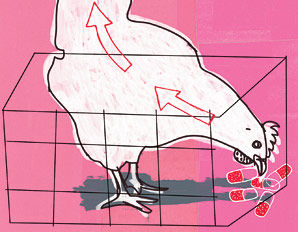





Comment: The article is misleading in stating the reason why autistic children are placed on gluten-freecasein-free (GFCF) and other restrictive diets. These are often not due to obvious gastrointestinal symptoms per se. Rather, the working hypothesis is that in some autistic people, improperly digested gluten and casein are turned into peptides which act as endogenous opiates, impairing brain function. Additionally, an unusual immune response can be triggered by those peptides which further contributes to the problem. Regrettably, the study appears to support the mainstream medical agenda that offers little to autism sufferers.