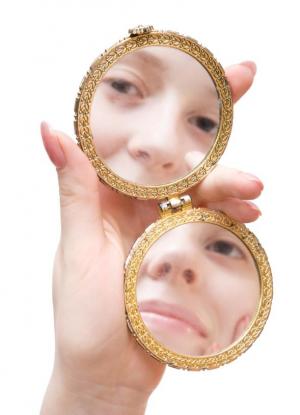
© iStockphoto/Stas PerovSince at least the days of Socrates, humans have been advised to "know thyself." And through all the years, many, including many personality and social psychologists, have believed the individual is the best judge of his or her own personality.
Since at least the days of Socrates, humans have been advised to "know thyself." And through all the years, many, including many personality and social psychologists, have believed the individual is the best judge of his or her own personality.
Now a psychologist at Washington University in St. Louis has shown that we are not the know-it-alls that we think we are.
Simine Vazire, Ph.D., Washington University assistant professor of psychology in Arts & Sciences, has found that the individual is more accurate in assessing one's own internal, or neurotic traits, such as anxiety, while friends are better barometers of intellect-related traits, such as intelligence and creativity, and even strangers are equally adept as our friends and ourselves at spotting the extrovert in us all, a psychology domain known as "extroversion."
"I think that it's important to really question this knee-jerk reaction that we are our own best experts," says Vazire. "Personality is not who you think you are, it's who you are. Some people think by definition that we are the experts on our personality because we get to write the story, but personality is not the story -- it's the reality. So, you do get to write your own story about how you think you are, and what you tell people about yourself, but there still is reality out there, and, guess what? Other people are going to see the reality, regardless of what story you believe."







Comment: There's nothing in any way "miraculous" about forcing nature to your will.