A suspected rogue wave recently crashed into a cruise ship near Antarctica killing one and injuring four others. Where did it come from?
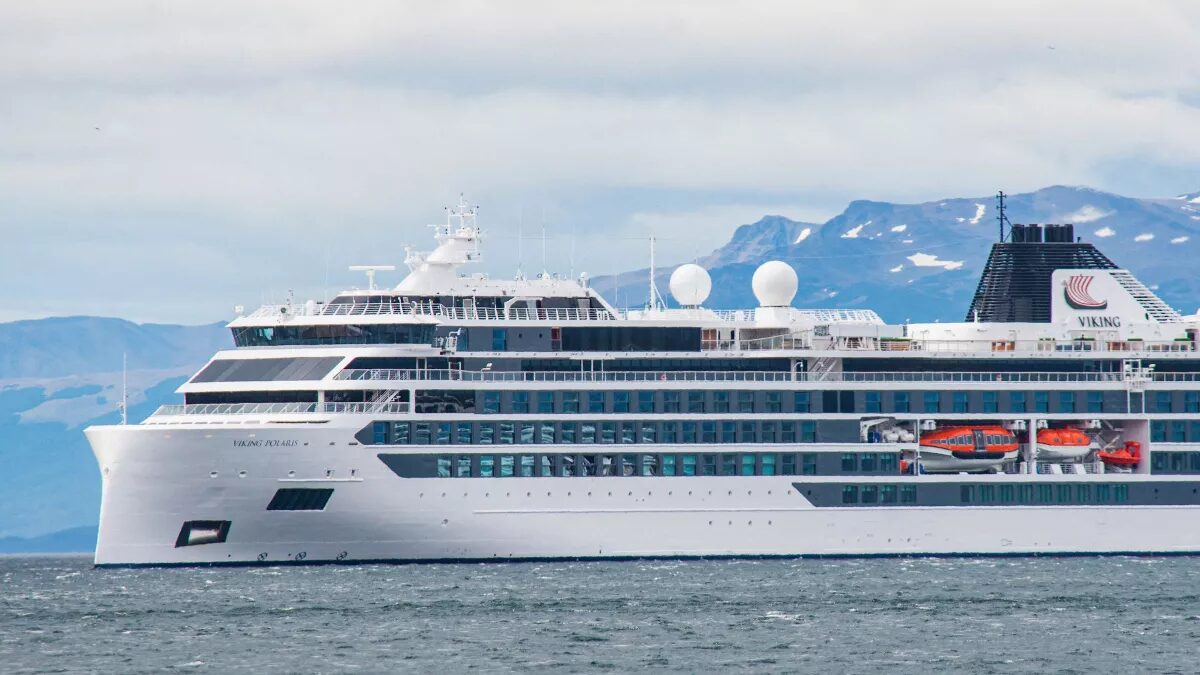
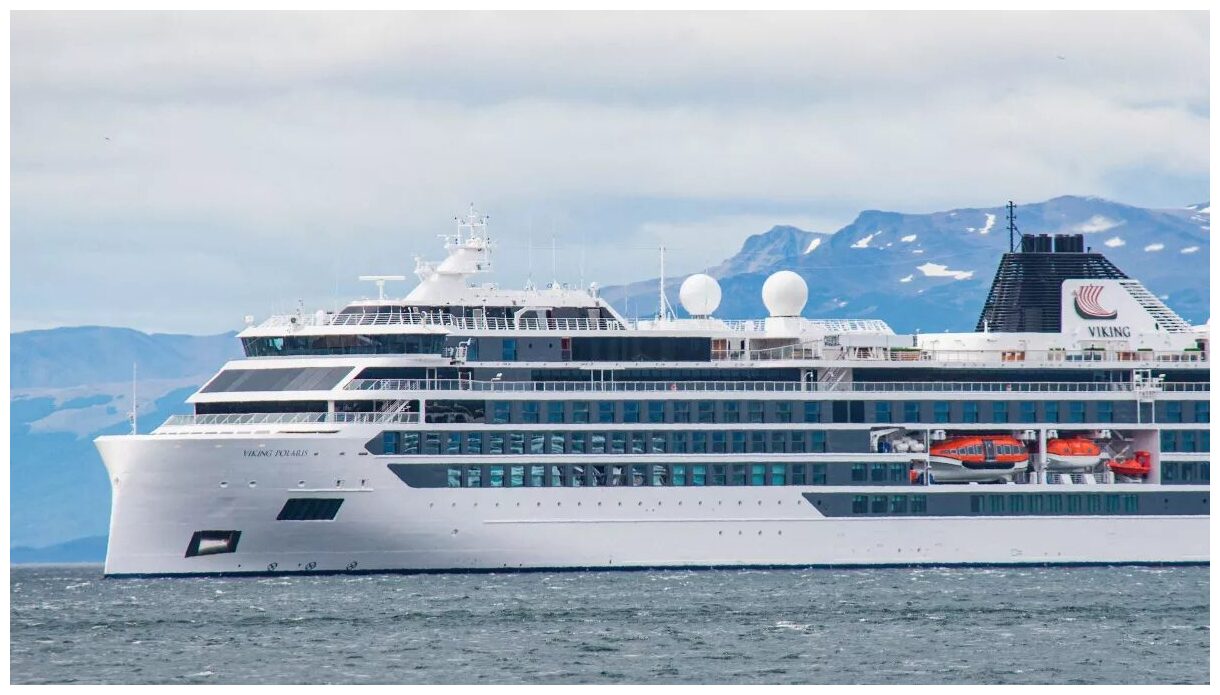
© Alexis Delelisi/AFP via Getty ImagesThe Viking Polaris, a Norwegian-flagged cruise ship, is seen anchored by Ushuaia, southern Argentina, on Dec. 1, about two days after a suspected rogue wave hit it, killing one passenger.
A suspected "rogue wave" recently smashed into a cruise ship sailing from
Antarctica to Argentina. The freak event killed one person and injured four others. But where do these freakishly tall waves come from? And is
climate change expected to make them more common or extreme?
On the night of Nov. 29, an
unusually massive wave hit the cruise ship Viking Polaris as it was sailing through the Drake Passage in Antarctica's Southern Ocean toward Ushuaia, a port in Argentina where many Antarctic cruises start and end, French news agency
AFP reported.
The force of the massive wall of water sent passengers flying and smashed several exterior windows, which flooded some rooms and caused further structural damage inside. A 62-year-old American woman, Sheri Zhu, was killed by injuries sustained from the broken glass and four other people received non-life-threatening injuries, according to Australian news site
ABC News.
"This wave hit and came over and literally broke through windows and just washed into these rooms," Tom Trusdale, a passenger aboard the
Viking Polaris when the incident happened, told ABC News. "Not only did it wash into the rooms, but it [also] broke walls down."
Viking, the travel company that owns the
Viking Polaris, announced on Dec. 1 that the tragic event was a
suspected "rogue wave incident." Upcoming cruises have been canceled until the ship can be fully repaired and a proper investigation into what happened has been carried out.