Researchers identify 88 nests of destructive invasive non-native species near Syracuse in Sicily...
An invasive non-native ant species has become established in Italy and could rapidly spread through Europe to the UK with global heating, a study warns.
The red fire ant, Solenopsis invicta, has a powerful sting, damages crops and can infest electrical equipment including cars and computers.
The ant, considered one of the most destructive invasive species, can rapidly form "super colonies" with multiple queens. The colonies prey on invertebrates, larger vertebrates and plants, destroying native plants and out-competing native ants, insects and herbivores for food.
The red fire ant is the fifth most costly invasive species in the world, spreading via human trade from its native South America into Mexico, the Caribbean, Australia and the US, where it causes an estimated damage of $6bn (£4.8bn) each year.
Researchers have identified 88 red fire ant nests across 5 hectares (12 acres) near the city of Syracuse, in Sicily, Italy. According to genetic analyses in a study published in Current Biology, the invasive colonies could have come from China or the US.
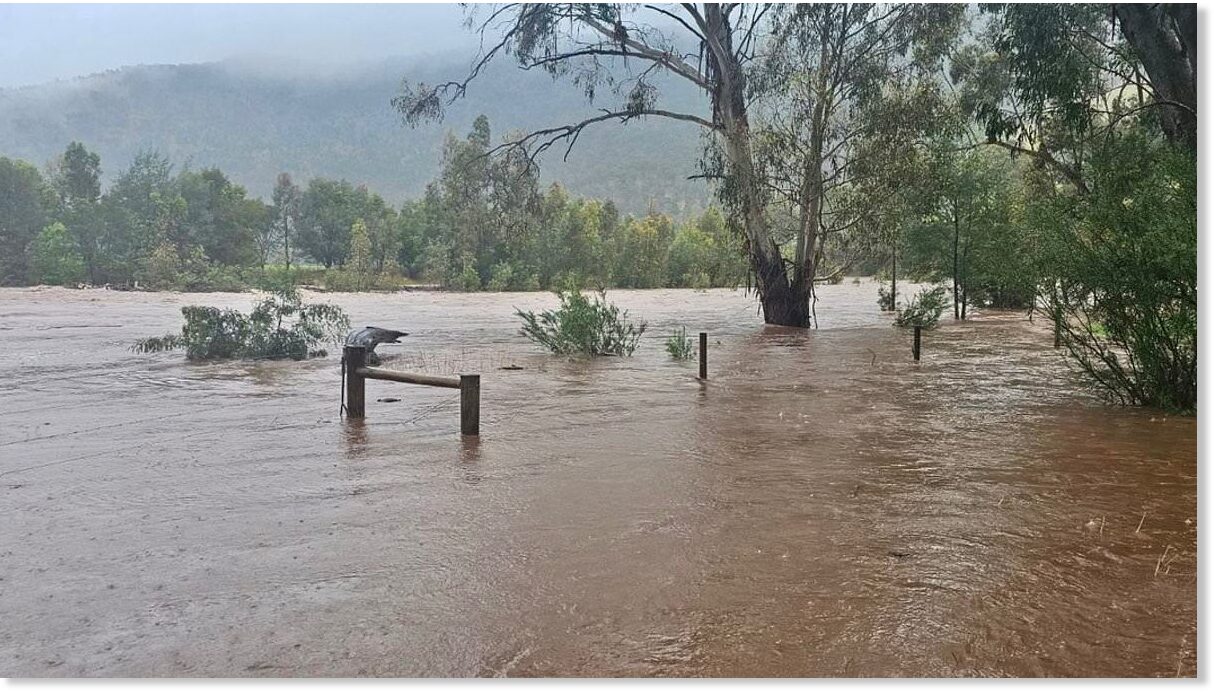
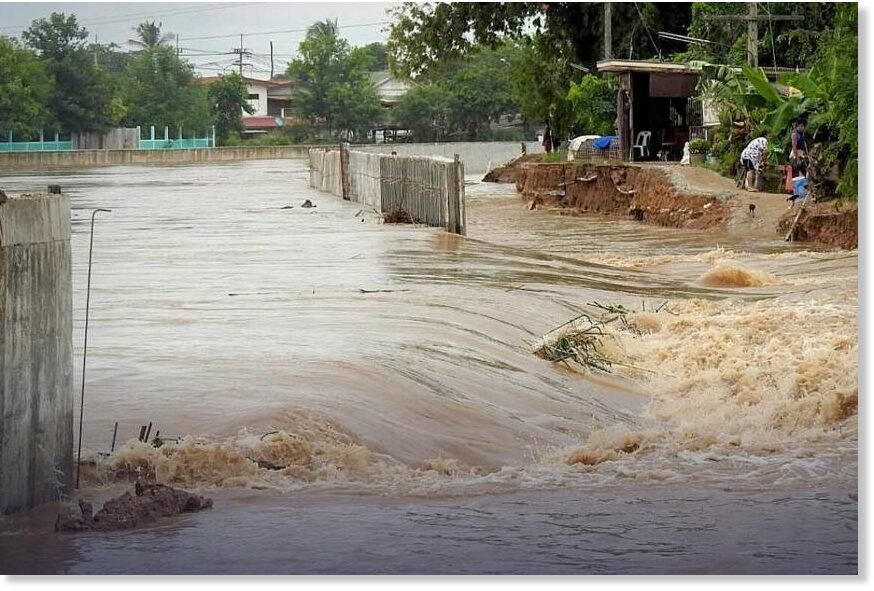
Flood warnings have been issued across the Gippsland regions, including in Bellbird Corner, Maffra, Mewburn Park, Newry, Riverslea, Tinamba and Tinamba West (pictured, the Macalister River at Licola)
As the waters begin to recede in some parts of flood-hit Victoria, the extent of the damage is beginning to emerge, while other areas downstream are bracing for possible flooding.
There's been significant damage to crops while dairy farmers were forced to move their cattle to higher ground.
Emergency warnings are still in place tonight for towns and districts around Maffra in Gippsland, where hundreds of residents have been told it's not safe to return to their homes.
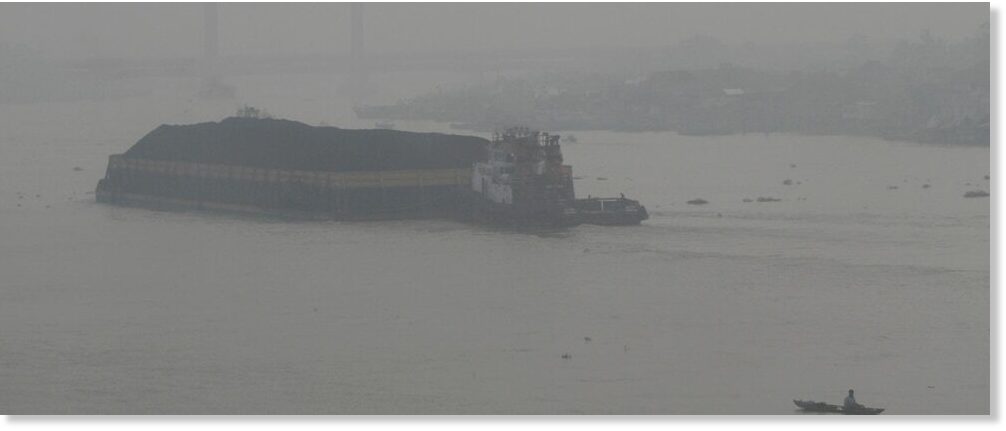
More than 300 forest and peatland fires on Indonesia's Sumatra island caused hazy skies across the region on Monday, prompting government officials to ask people to work from home.
The military, police and local government were working together to extinguish the fires, which were burning in 316 places across South Sumatra province, but their work was complicated by the extreme dry weather, said Iriansyah, the head of the South Sumatra Disaster Management Agency.
The smoky haze drifted from the fires toward Palembang, the capital of South Palembang province, causing unhealthy air conditions for the area's 1.7 million people.
"There is a high potential for people to suffer from respiratory tract infections, coughing, shortness of breath and eye irritation," said Iriansyah, who like many Indonesians uses only one name.
The government in South Sumatra last week called on schools to delay their opening time, as the haze tends to decrease during the day. But on Monday, the schools asked students to attend classes online, as the air quality had worsened and was categorized as "dangerous."
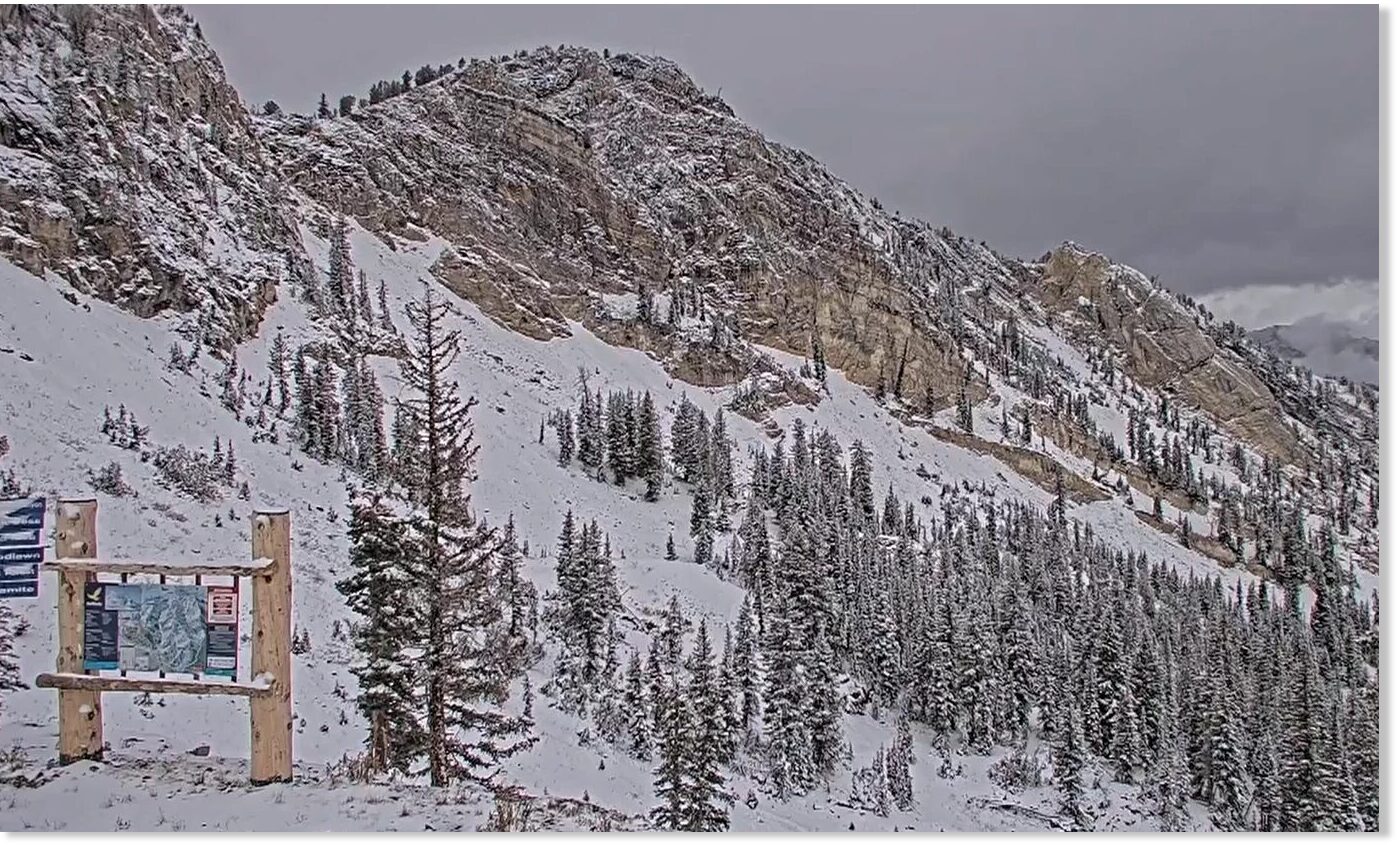
A fresh round of snow blankets the amber-colored fall foliage in Utah's first October scene.
On Monday, Park City experienced the collision of autumn and winter as the first fall storm brought snow to the western region. The snowfall has continued into Tuesday, with the heaviest amounts occurring in the mountains of Wyoming, northern Utah, and Colorado due to the low-pressure system.
"A wonderful blend of colorful, fall foliage with a fresh, white snowfall," the Utah Department of Natural Resources said. "Utah's pretty good at this, don't you think?"
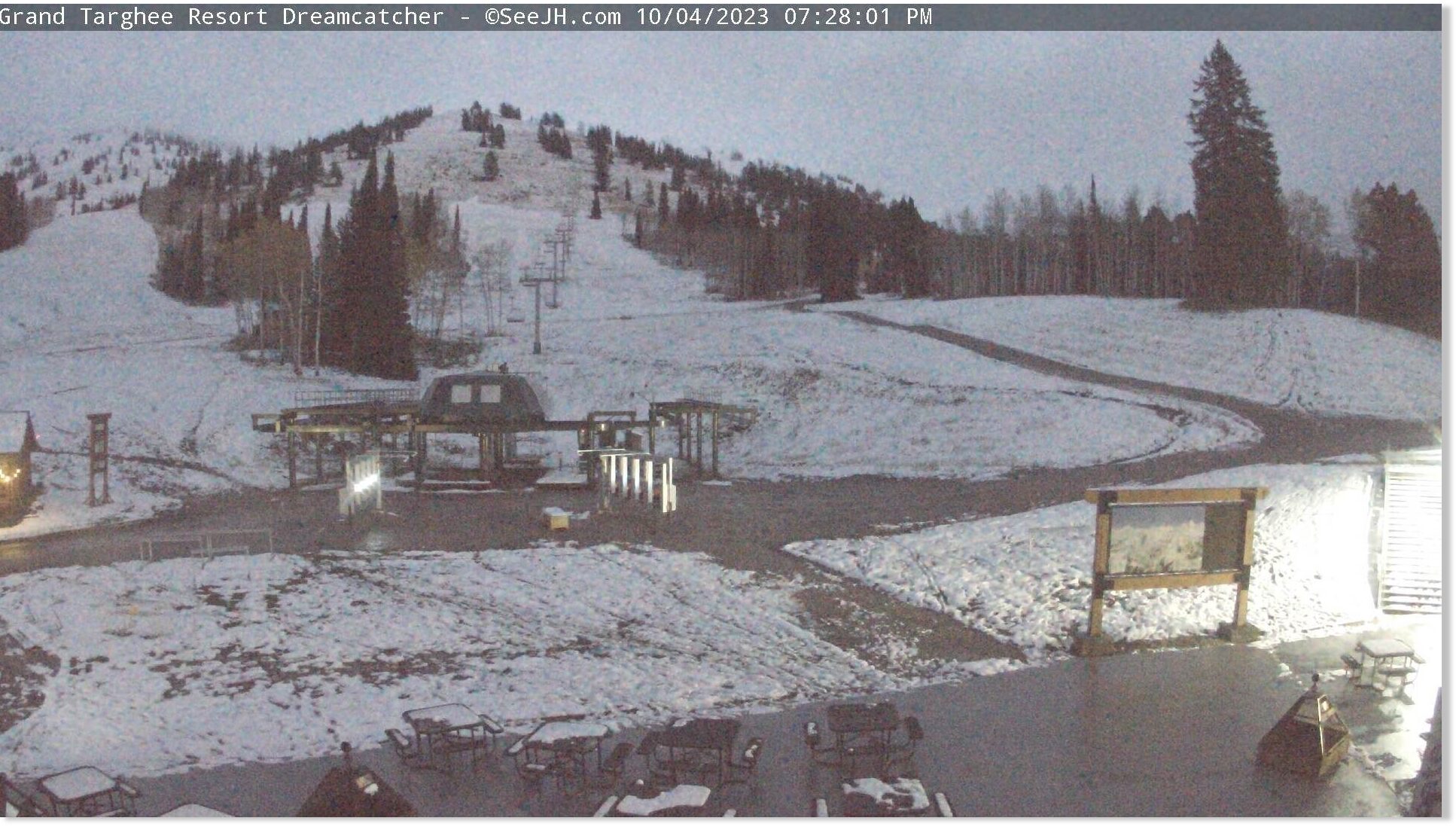
A powerful early-season storm impacted Western Wyoming from Sunday afternoon through Tuesday night, resulting in significant precipitation including the first heavy snowfall of the season at Jackson Hole Mountain Resort and Grand Targhee.
October 1-4 Storm Recap
A strong and slow-moving low pressure system worked its way into the Intermountain West early this week, resulting in heavy precipitation across the Tetons and Northwest Wyoming.
On Sunday, we saw an appetizer with scattered showers and isolated thunderstorms, before more widespread rain and mountain snow developed on Monday and Tuesday. Snow levels (i.e. the rain/snow line) dipped as low as 7,500 feet on Tuesday morning.
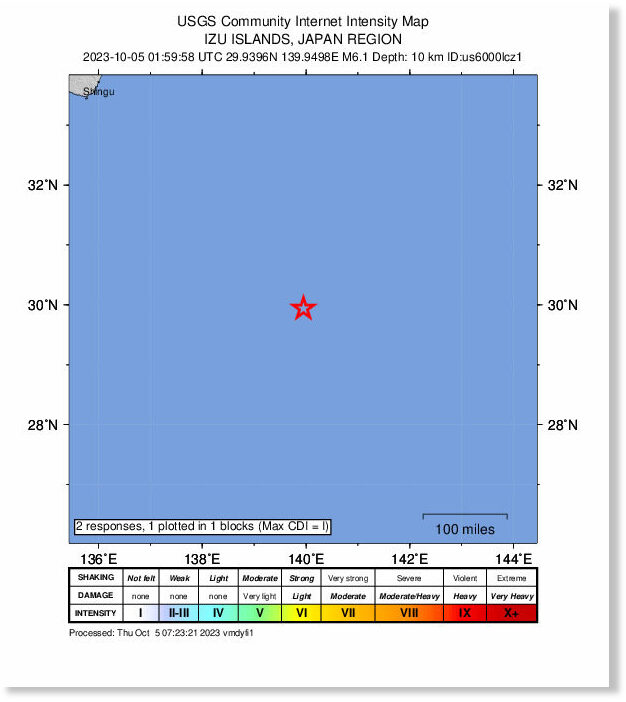
Japan issued a tsunami advisory Thursday after a strong earthquake struck near its outlying islands in the Pacific Ocean, but lifted it about two hours later. No damage was reported.
The advisory, the second-lowest of a four-stage warning system, asked people on islands in the Izu chain, which stretches south from the Tokyo region, to stay away from the coast and river mouths.
The U.S. Geological Survey said a series of offshore earthquakes hit the area on Thursday morning. The strongest measured magnitude 6.1 and was located at a depth of 10 kilometers (6 miles), it said.
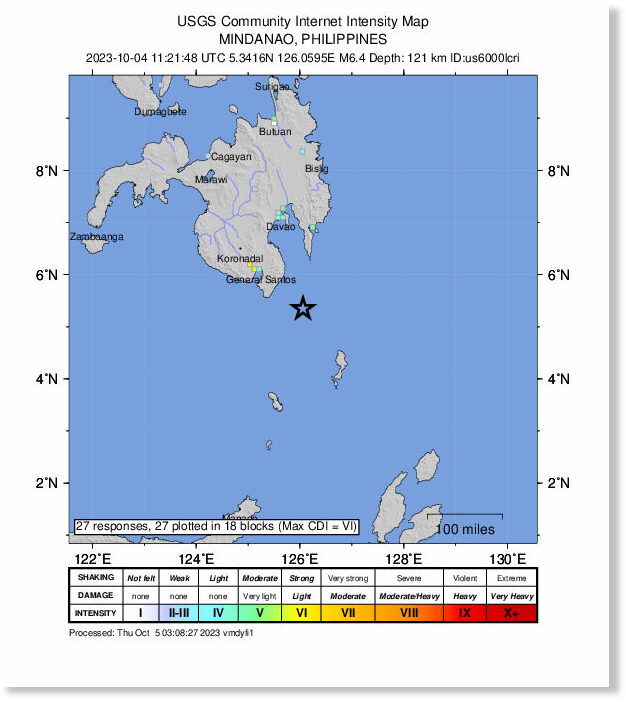
The Philippines was hit by earthquake measuring 6.4 in magnitude at 3.21pm (UAE time) today, October 4, according to an advisory released by the National Centre of Meteorology (NCM).
The tremors was detected by the stations of the National Seismic Network of the UAE's NCM.
The quake struck at sea some 66 kilometers east of the municipality of Sarangani, Davao Occidental.
The Philippine Institute of Volcanology and Seismology (Phivolcs) reported that the earthquake of tectonic origin that struck at 7:21 p.m (local time), had a depth of focus of 139 kilometres and was measured at various intensities in nearby areas.
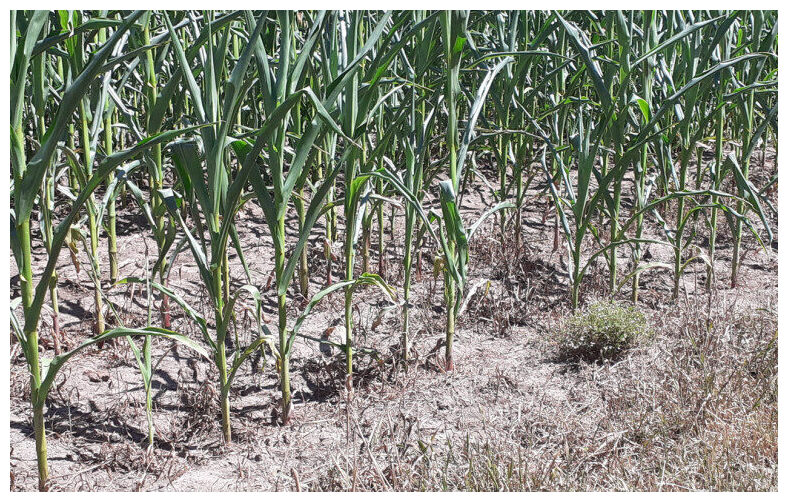
German online agriculture information site agrarheute.com here asks whether the climate models wrong since the East "East Pacific has been cooling down more and more over the past 30 years" and this "contrary to all predictions".
Modern agriculture knows that oceanic cycles have significant consequences for global agriculture.
"Why does this part of the eastern Pacific contradict climate models, scientists ask, and they can't find a simple explanation," reports agriheute.com. The cooling of the East Pacific has defied the forecasts made by climate models, which predicted a warming due to "greenhouse gas" emissions.
The region of cooling is the ocean area that "stretches west of Ecuador" and "could reduce greenhouse gas warming by 30 percent". The false prediction by climate models risk misleading the agriculture industry, as it is known that ocean temperatures impact growing conditions around the world.











Comment: