Earth ChangesS


Binoculars

Wrong place, wrong time: Siberian blue robin turns up on island in Orkney, Scotland

Siberian Blue Robin, North Ronaldsay, Orkney
© Tom GaleSiberian Blue Robin, North Ronaldsay, Orkney
Bird watchers have been left in a bit of a flap after the rare arrival of an off-track adult Siberian blue robin in North Ronaldsay.

It is believed to be the first adult male of the breed in the UK, although juveniles have been seen before.

The bird should be spending the winter in Indonesia, but is thought to have been blown off course by bad weather.

The distinctive robin was helped out of a derelict house, and the sighting has sparked wide interest.

One of the people who spotted and helped free it, Lewis Hooper, told BBC Scotland the bird was way off track.

Attention

Shinmoedake volcano in Japan erupts again, sends plume 2,300 meters into the air

A huge plume of smoke emerges from Mount Shinmoedake in southern Kyushu on Oct. 14.
Kyushu's Mount Shinmoedake is still rumbling with volcanic activity three days after it blew its top for the first time in six years on Oct. 11.

The Japan Meteorological Agency said an eruption that started at 8:23 a.m. on Oct. 14 sent a plume of smoke 2,300 meters into the air.

The 1,421-meter-high mountain straddles the border of Miyazaki and Kagoshima prefectures in southern Kyushu. The JMA raised the volcano's activity alert to Level 3, warning people to stay away from the mountain. The alert had been at Level 2, which meant climbers should stay away from the crater.

Around 4 p.m. on Oct. 13, the JMA announced that consecutive eruptions appeared to have stopped as the fluctuation of volcanic tremors had weakened.

But the agency continued to urge caution as it believed volcanic activity was continuing.

Attention

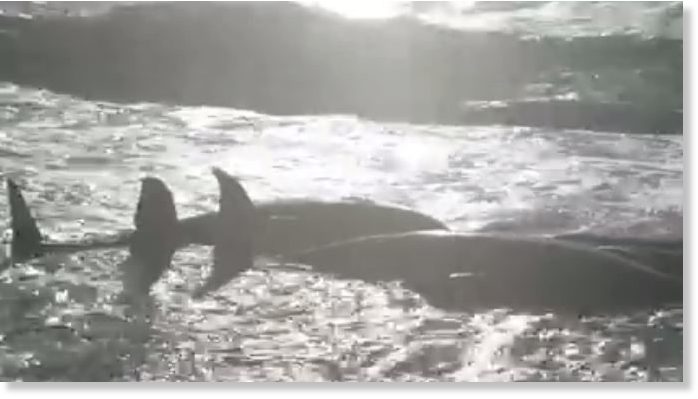
At least 9 pilot whales found stranded on beach in Hawaii; 5 die

whales
© Daniel Rapozo
A least nine whales stranded themselves off Kalapaki Beach Friday morning and scientists are working to find out why.

News of this rattled residents and visitors on the Garden Isle.

Charles Hepa was one of many volunteers that stepped in to help save the stranded creatures he considers sacred.

"These whales are a part of our Molala to in our stories and or could he go in our history and our Oleander chance," Hepa said.

When federal, state and city personnel eventually responded, personnel closed part of the beach.

As of Friday evening, NOAA confirmed at least five whales died.

Canoe paddlers assisted officials and guided whales back out to sea.


Cloud Lightning

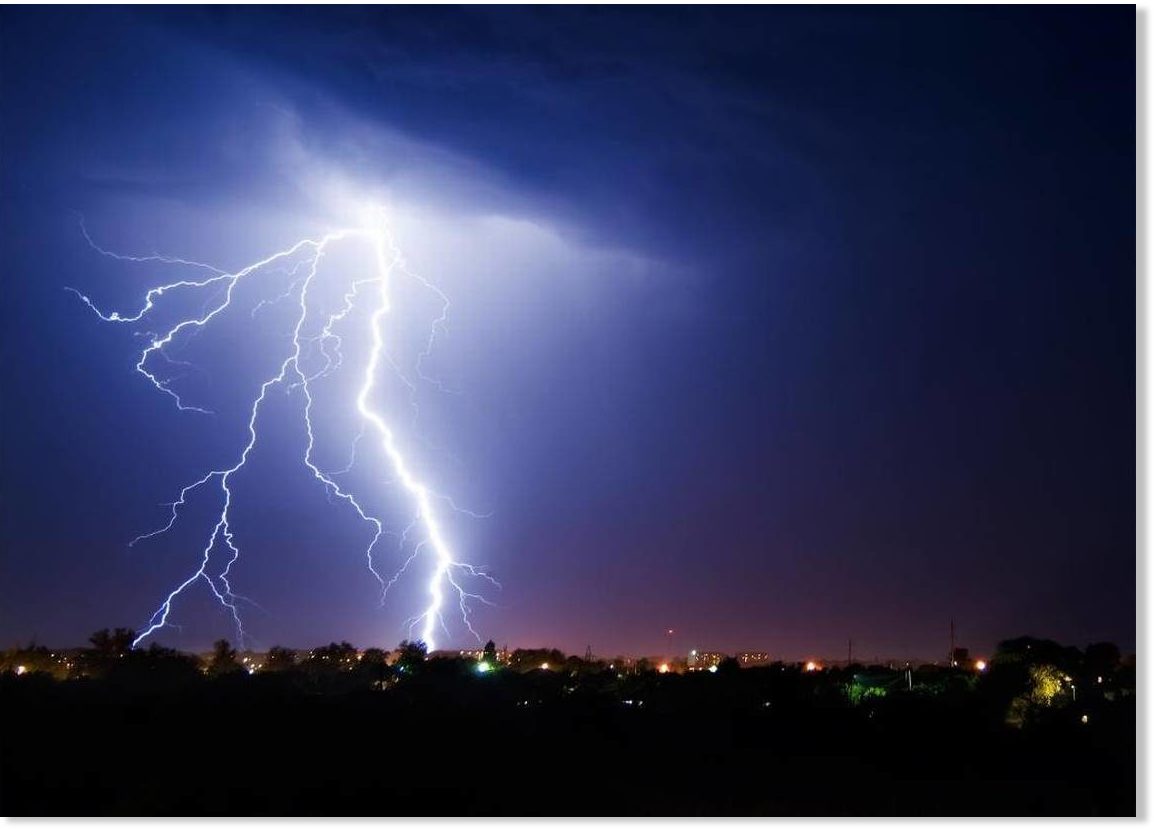
Lightning kills 72 across Cambodia in the first nine months of 2017

LIGHTNING
Lightning killed 72 people in Cambodia in the first nine months of 2017, a senior disaster control official said on Friday.

The first Vice President of the country's National Committee for Disaster Management, Nhim Vanda, however, said the rate of lightning in 2017 was 28 percent less compared to 2016 in the same period.

The official said, during the celebration of Association of Southeast Asian Nations Day for Disaster Management in Phnom Penh, that beside lightning fatalities, flash floods and storms also killed 33 others between January and September this year.

He added that "although the fatal numbers from lightning have reduced, lightning remains the leading cause of death among deaths from natural disasters."

Lightning happens often during the rainy season from May to October, he said, adding that to avoid the dangers of lightning, people should stay indoors whenever it was raining.

Source: News agency of Nigeria

Attention

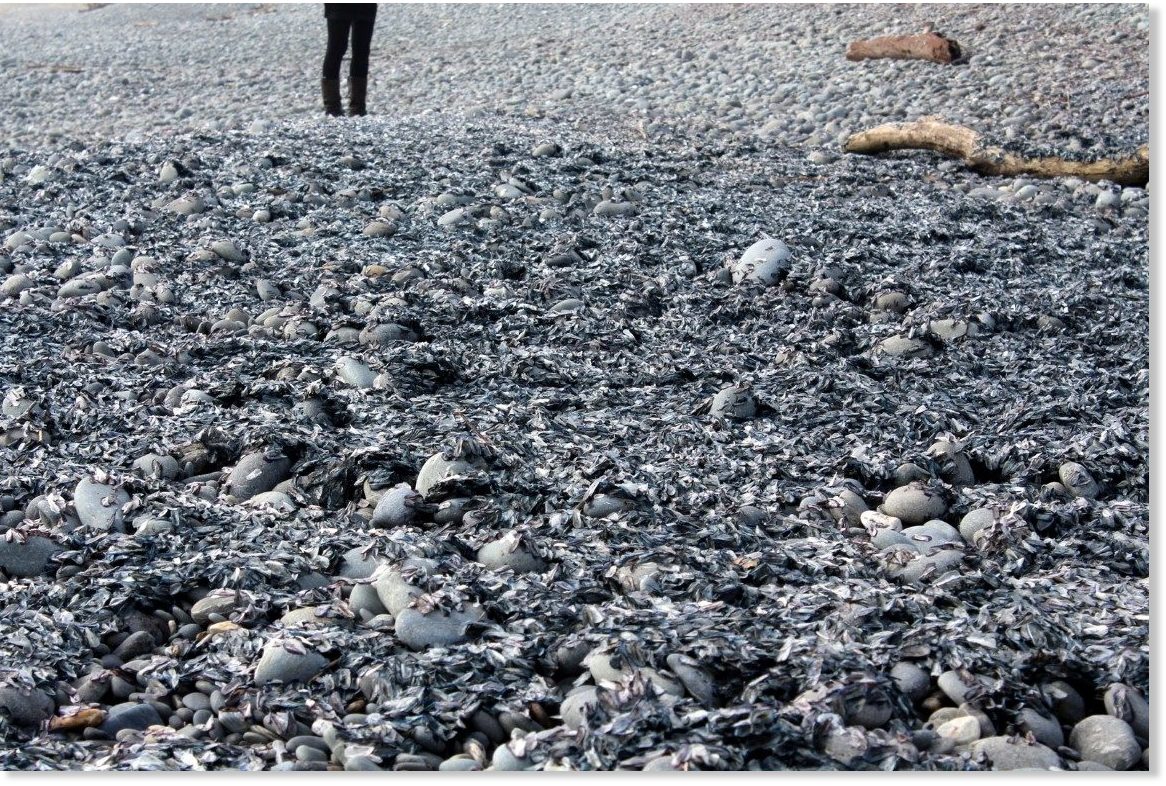
Tens of thousands of jellyfish-like creatures wash up on beaches in Greymouth, New Zealand

Tens of thousands of jellyfish-like creatures have washed up on Greymouth beaches
© Greymouth StarTens of thousands of jellyfish-like creatures have washed up on Greymouth beaches
Tens of thousands of jellyfish-like creatures have washed up on Greymouth beaches, surprising even the Department of Conservation with the scale.

DoC says the rotting mass are by-the-wind-sailors, also called Velella.

A huge mass blankets an 18m by 8m area of the Blaketown aerodrome car park, with more scattered south along the high tide mark.

By last evening, they were giving off a strong smell as they lay in the sun.

DOC marine expert Don Neale said by-the-wind-sailors were related to jellyfish and "bluebottles", which also often washed up.

Snowflake

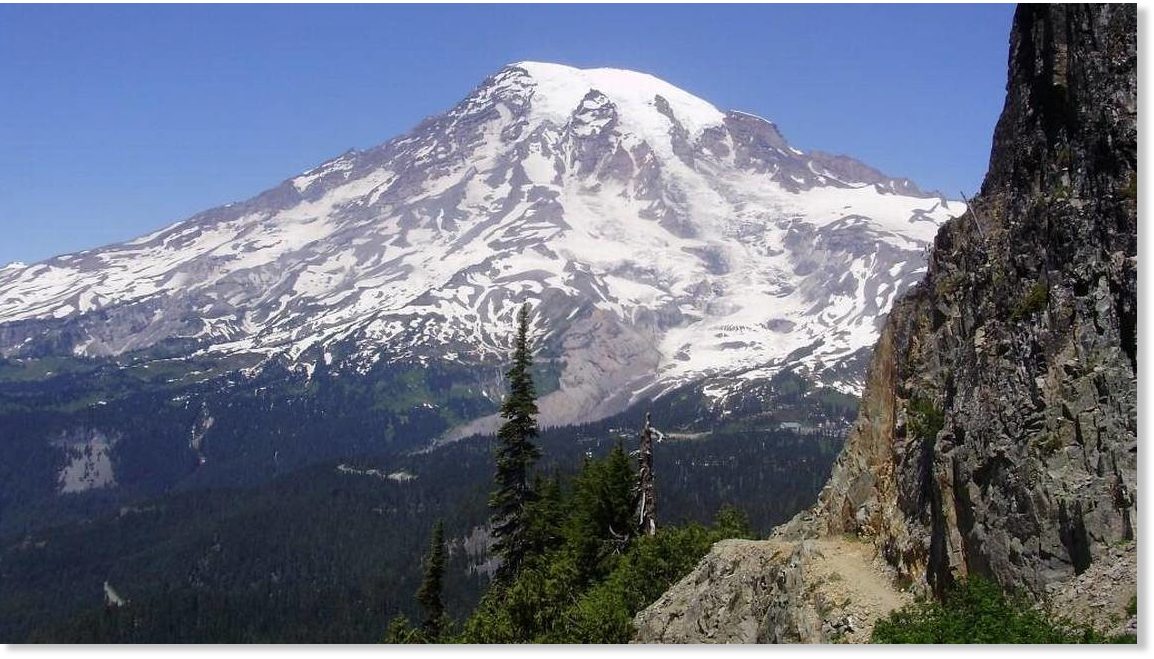
Storm dumps 12 inches of snow in 24 hours at Mount Rainier National Park, Washington

Mount Rainier
© Craig HillMount Rainier
The road to Paradise from Longmire at Mount Rainier National Park opened late Friday morning after the area received a foot of snow in 24 hours, the park announced on Twitter.

The Stevens Canyon Road remains closed. The park's roads condition hotline, last updated at 7:15 a.m., states that the road to Sunrise is closed.

Weather forecasts call for sunny weather over the weekend.

Attention

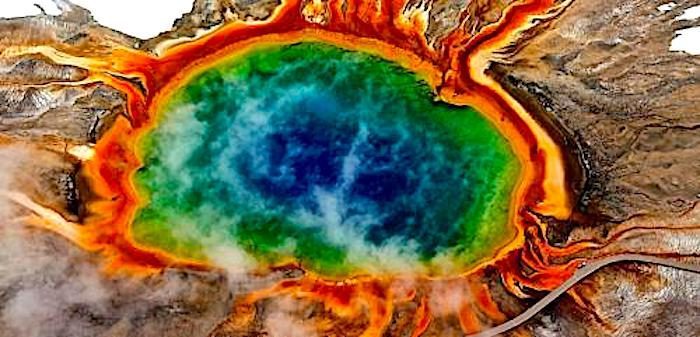
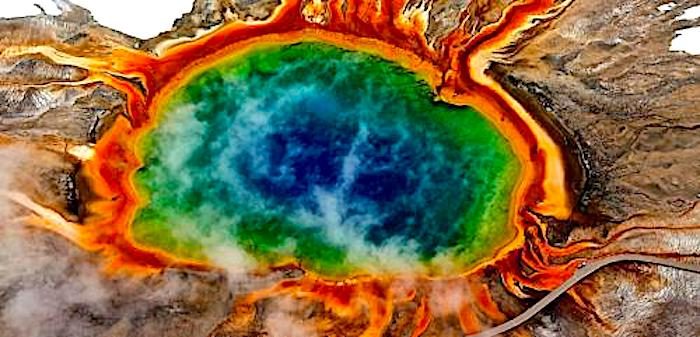
Yellowstone's supervolcano: Threat is greater than previously thought

supervolcano
© The Sun/GettyYellowstone supervolcano caldera
Scientists from the US Geological Survey who breezily informed the public that there's "nothing to worry about" with regards to the Yellowstone caldera, a supervolcano that should it erupt could cause potentially hundreds of thousands of deaths, should be eating their words.

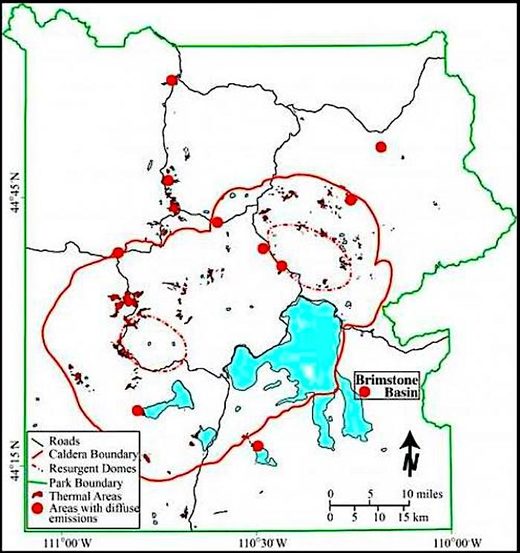
Since about mid-July, the earth beneath the volcano has been shifting in a sign that magma could be rushing into the caldera's main chamber. Since then, there have been roughly 2,500 small-scale earthquakes recorded near the volcano, the largest stretch on record. Previous estimates had assumed that the process that led to the eruption took millenniums to occur.

The same estimates that USGS based their warning on.
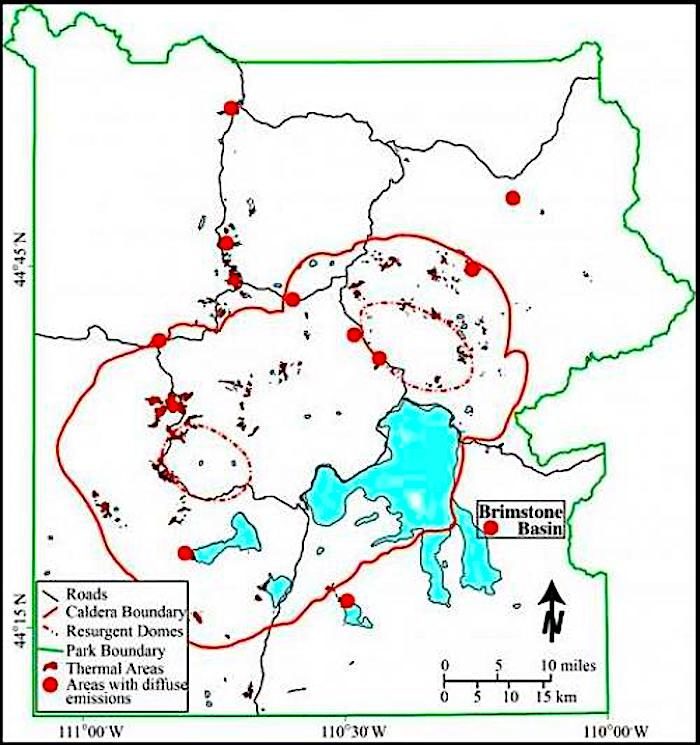
Caldera chart
© Unknown
As the New York Times explains, the Yellowstone caldera is a behemoth far more powerful than your average volcano. It has the ability to expel more than 1,000 cubic kilometers of rock and ash at once, 2,500 times more material than erupted from Mount St. Helens in 1980, which killed 57 people. That could blanket most of the United States in a thick layer of ash and even plunge the Earth into a volcanic winter.

As the Times points out, scientists expect a supervolcano eruption to scar the planet once every 100,000 years.

To reach their conclusion, the team of scientists spent weeks at Yellowstone's Lava Creek Tuff - a fossilized ash deposit from the volcano's last supereruption, where they gathered samples and analyzed the volcanic leftovers. The analysis allowed the scientists to pin down changes in the lava flow before the last eruption. The crystalline structures of the rocks recorded changes in temperature, pressure and water content beneath the volcano just like tree rings do.

Attention

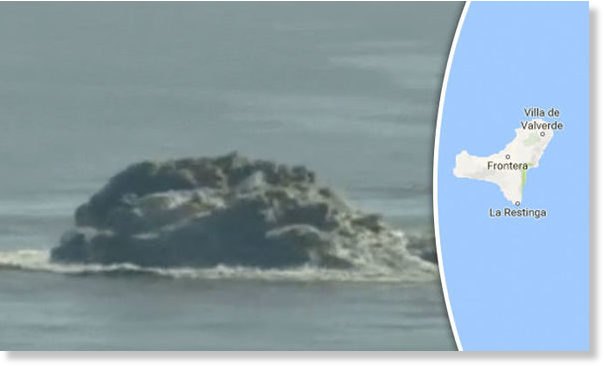
Scientists on alert as underwater volcano Tagoro in the Canary Islands bursts into life

The underwater volcano near El Hierro is simmering
On October 10, 2011, the Tagoro underwater volcano near to the island of El Hierro, the smallest of the isles in the Canaries, began bursting into life.

The volcano beneath the surface began spewing ash and lava which bubbled to the top - and although that eruption was not too strong, scientists are monitoring the volcano as they are wary it could burst into life with more power.

A project known as Vulcano-II-1017 from the Ministry of Economy, Industry and Competitiveness and Feder, in conjunction with the Spanish Institute of Oceanography, the University of Las Palmas de Gran Canaria, the University of La Laguna and the Museum of Nature and Man of Tenerife, will monitor the situation to see if the volcano poses any danger.

The reason experts are keeping a close eye on it is because the volcano is still rumbling six years after its eruption near to the tourist hotspot.

Comment: See also this recent report from the 10th of October concerning the region: 40 earthquake tremors in 48 hours hit La Palma, Canary Islands


Tornado2

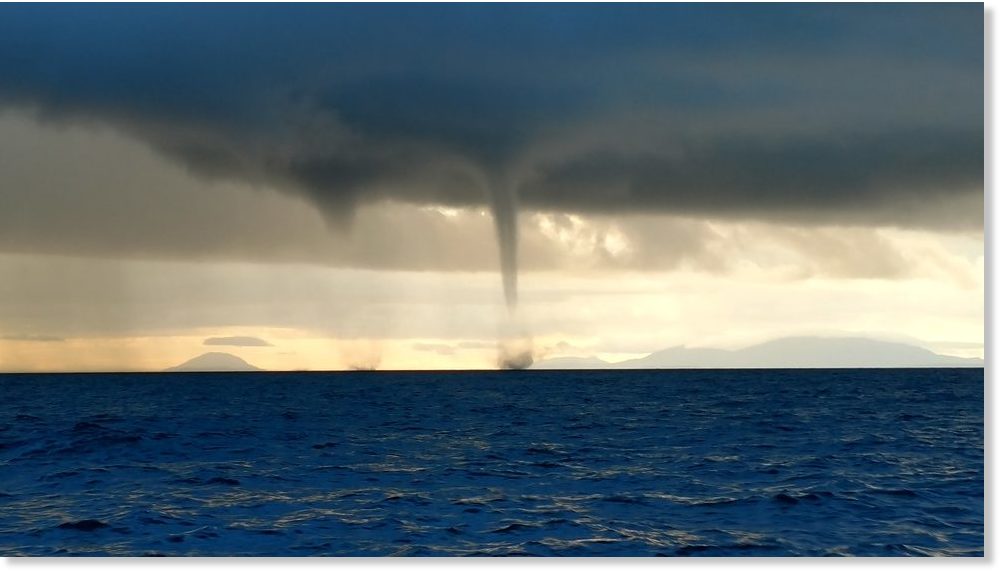
'We lost count at 40' - Dozens of waterspouts seen off San Juan Islands, Washington

Double waterspouts form in Washington's Birch Bay on Oct. 11, 2017.
© Bryce BynumDouble waterspouts form in Washington's Birch Bay on Oct. 11, 2017.
Dozens of waterspouts were spotted over a 90 minute period in the waters off Whatcom County and the San Juan Islands Wednesday morning as thunderstorms swirled in the area.

"We lost count at 40 of them, at least," said John Evich, who was out crabbing Wednesday morning.

Evich said he and his crew spotted the first one around 8 a.m. as he left Blaine heading toward Alden Bank near Orcas Island.

"The very first one started in the center of Birch Bay," he said. He called a bunch of his fishing friends to go look for the waterspouts -- essentially tornadoes over water -- but they hadn't left port yet.

"At that point, we kept crabbing, and then saw another one -- then another one build up right next to it," Evich said. He said the two combined into one waterspout and then wiped each other out.

Meteor

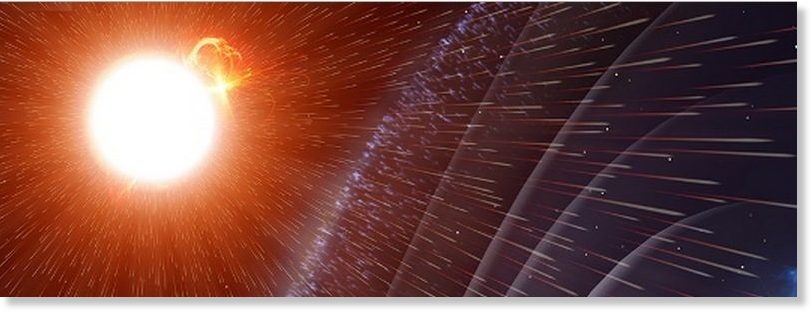
Cosmic rays found to be a trigger for explosive volcanic eruptions

comets
Volcanoes with silica-rich and highly viscous magma tend to produce violent explosive eruptions that result in disasters in local communities and that strongly affect the global environment.

We examined the timing of 11 eruptive events that produced silica-rich magma from four volcanoes in Japan (Mt. Fuji, Mt. Usu, Myojinsho, and Satsuma-Iwo-jima) over the past 306 years (from AD 1700 to AD 2005). Nine of the 11 events occurred during inactive phases of solar magnetic activity (solar minimum), which is well indexed by the group sunspot number.

This strong association between eruption timing and the solar minimum is statistically significant to a confidence level of 96.7%. This relationship is not observed for eruptions from volcanoes with relatively silica-poor magma, such as Izu-Ohshima. It is well known that the cosmic-ray flux is negatively correlated with solar magnetic activity, as the strong magnetic field in the solar wind repels charged particles such as galactic cosmic rays that originate from outside of the solar system.