
© MAY DIG IMAGES7
I stepped through a hole in the chainlink fence surrounding Portland's O'Bryant Square and saw four people nodded out and three smoking fentanyl. The man who had supplied them was standing nearby; he gave me a nod and continued with his business.
Built in 1973, the park is mostly brick and concrete with its dominant feature a bronze fountain in the shape of Portland's iconic rose. It was permanently closed and fenced off in 2018. The city blamed "structural issues," but the real reason for closing the park was that it has long been a well-known place to use drugs. As a teenager in the late 1980s I used to skateboard there. As I practiced ollies, I often observed LSD and marijuana deals.
I've been a drug and alcohol counselor and outreach worker for almost thirty years, so I've witnessed drug-use trends up close:
the crack epidemic, the rise of heroin, then ecstasy, then meth. These are drugs that my colleagues and I researched extensively. They all brought their challenges and we found ways to help.
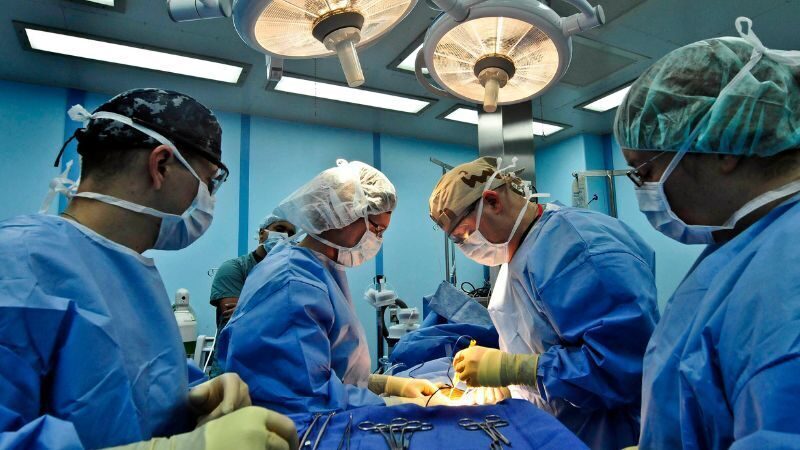
But all this experience could not prepare us for the arrive of fentanyl.Fentanyl was introduced in the 1960s as a legitimate intravenous anesthetic to treat patients experiencing severe pain. If you've had surgery in the past several decades, or even an epidural when you were having a baby, you may very well have been given it;
it's very good at what it does. Then drug cartels learned how to manufacture it cheaply and on a massive scale and it spread faster than anything I had seen before, starting around 2017.
Now it plagues the streets of America's cities and cuts a deadly swath in rural areas as well.















Comment: See also: