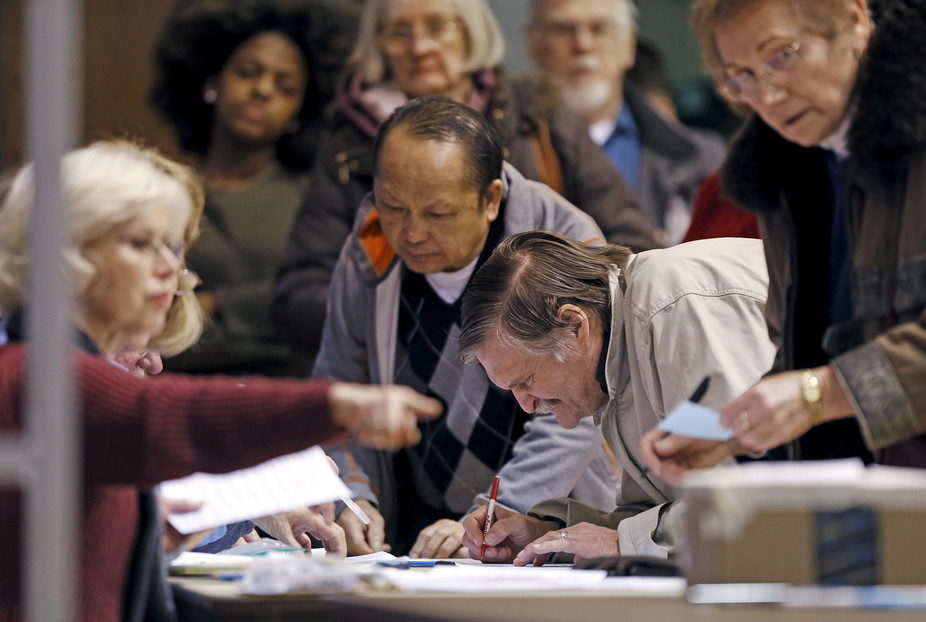
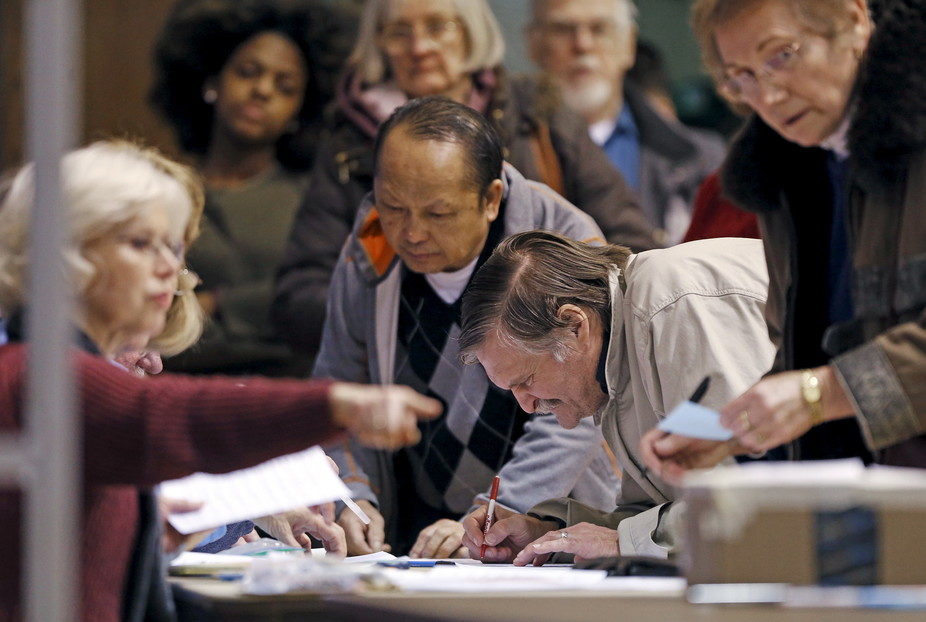
© Reuters/Eric MillerVotes are counted during Minnesota’s Democratic caucus.
The world is currently transfixed by the spectacle of American elections.
From New York, London and Paris to Beijing, Moscow, and Sydney there is endless heated debate in the news media and across dinner tables about the
factors fueling the remarkable success of Donald Trump, speculation about a brokered convention
shattering the old GOP, and the most likely outcome of a polarizing Trump-Clinton battle in the fall.
This contest matters. It is the election for the most powerful leader in the Western world, and some - like the
Economist Intelligence Unit - regard Donald Trump as a major risk to global prosperity and stability. Also, as citizens of one of the world's oldest democracies, Americans like to think that the United States provides an influential role model for how elections should run in other countries.
The
Electoral Integrity Project (EIP), founded in 2012, provides an independent evaluation of the quality of elections worldwide. The EIP's results have been published in several books, including my own
Why Electoral Integrity Matters and
Why Elections Fail - books that focus on comparing the quality of elections, understanding why problems arise, and diagnosing what can be done about these flaws.
We can use the data collected by the EIP to ask: Is the U.S. the electoral role model it imagines itself to be?
A democratic role model?In practice, recent years have seen a long series of vulnerabilities in the conduct of American elections, as documented by the 2014 report of the bipartisan
Presidential Commission on Election Administration. Indeed, these issues have been under close scrutiny ever since the notoriously flawed ballot design in Florida in 2000.



















Comment: Or people could simply not purchase the item.