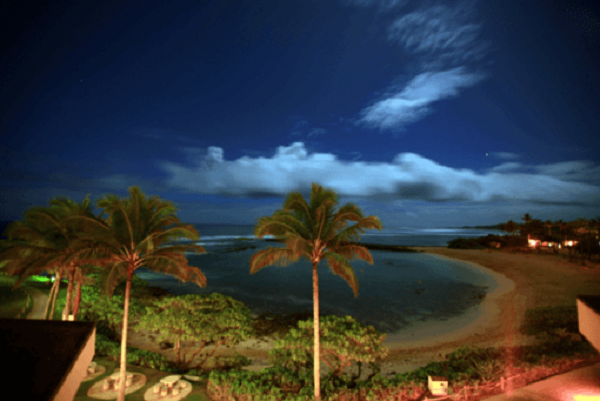
© LASZLO ILYES | CC BY 2.0
When Daniel Ellsberg visited Los Angeles in mid-December, promoting his important new book
The Doomsday Machine, his central message was that
the threat of nuclear holocaust was more looming than generally believed. The American people have been lulled to sleep, distracted by endless media and political spectacles, while busy warmakers keep refining their insane nuclear blueprints that, once actualized, could incinerate several hundred million people in a matter of hours, if not minutes. More than 70 years after Hiroshima and Nagasaki, Pentagon elites still theorize and fantasize about the unthinkable, their demented plans far removed from the realm of political debate or even public awareness.
Could it be that President Trump's nuclear brinkmanship over North Korea - his bellicose promise to annihilate an entire country - not to mention his escalating threats against Iran, has pushed the U.S. (and the world) closer to something like a Doomsday moment? Have we reached the point where living on the edge of nuclear catastrophe has become thoroughly normalized? Could Ellsberg's warnings be more prescient than even he might be prepared to believe?
Exactly one month after Ellsberg's talk, on a quiet Saturday morning, the state of Hawaii awoke to the most startling text message: "Ballistic Missile Threat Inbound to Hawaii. Seek Immediate Shelter. This is Not a Drill." At that moment, I happened to be in Honolulu for a film conference with my girlfriend, when tranquil life on the islands instantly turned chaotic. People scattered frenetically, mostly without logic or purpose or hope. Where to go? If this turned out to be one of Kim Jong Un's powerful ICBMs, it could be over in 20 minutes. Repair to a shelter? None exist. Go to the basement? Sure suicide. Find a car or taxi and head for the hills? No time.










Comment: The case: