The continued cover-up of the Fukushima impacts in Japan is likely due to the widespread contamination of soil, vegetation, and water prolific enough that it would lead to evacuations so massive in scope they could collapse Japan's economy, the third largest in the world.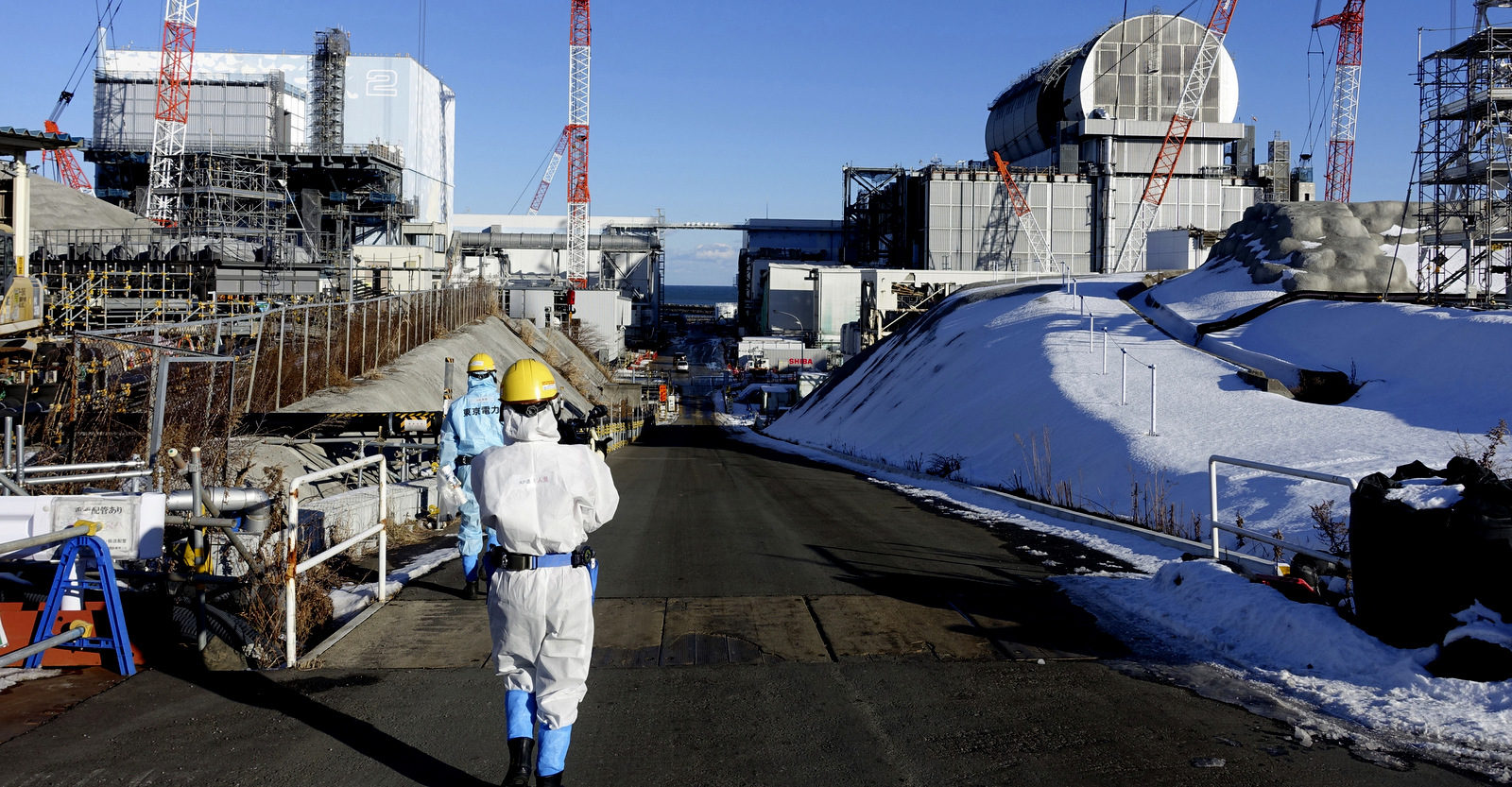
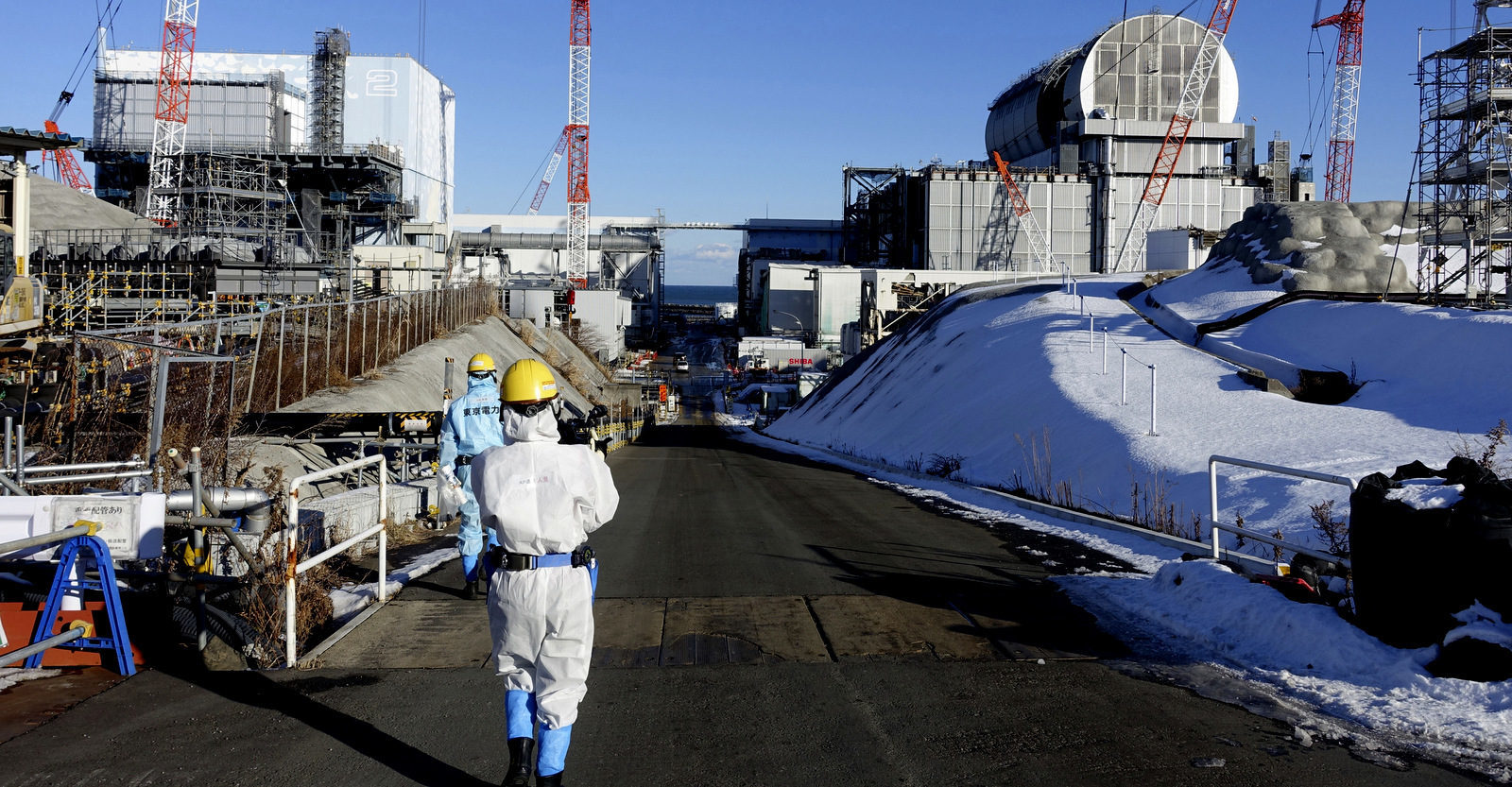
© AP/Mari YamaguchiA dome-shaped rooftop covers key equipment at Unit 3 reactor of the Fukushima Dai-ichi nuclear power plant ahead of a fuel removal from its storage pool in Okuma, Fukushima Prefecture, northeast Japan, Jan. 25, 2018.
According to peace and environmental justice watchdog
NukeWatch, the Fukushima disaster has overtaken Chernobyl as the worst nuclear disaster in human history. Writing in
CounterPunch, John LaForge, co-director of NukeWatch,
noted that the meltdown at the Daiichi nuclear power plant in
Japan in 2011 is now believed to have released between 5.6 and 8.1 times more atmospheric radiation than did Chernobyl, markedly surpassing the 1986 nuclear disaster. Despite the gravity of that revelation, the media has ignored the issue, suggesting that
the previous cover-up of the disaster is still in effect.
The change in status is largely the result of the fact that the three melted reactors at the Fukushima plant have never been properly contained and their release of radioactivity into the environment has continued in the years since the meltdown first occurred.
For instance,
last February, a hole measuring two meters in diameter was discovered within the metal grating at the bottom of the containment vessel built around the plant's No. 2 reactor, allowing the reactor's fuel to escape from the reactor and into the surrounding environment. The hole permitted radiation inside the reactor to
reach 530 sieverts per hour, a massive increase from the 73 sieverts per hour that were recorded soon after the disaster. To put these figures in perspective, NASA's maximum amount of radiation exposure permitted for astronauts
over their entire lifetimes is 1 sievert.
Aside from now surpassing Chernobyl in terms of radiation released into the atmosphere, Fukushima has also greatly surpassed Chernobyl in the release of Cesium-137, a radioactive isotope that
greatly increases cancer risk and
dissolves readily in the environment.













Comment: Denmark gets its first wild wolf pack in over 200 years