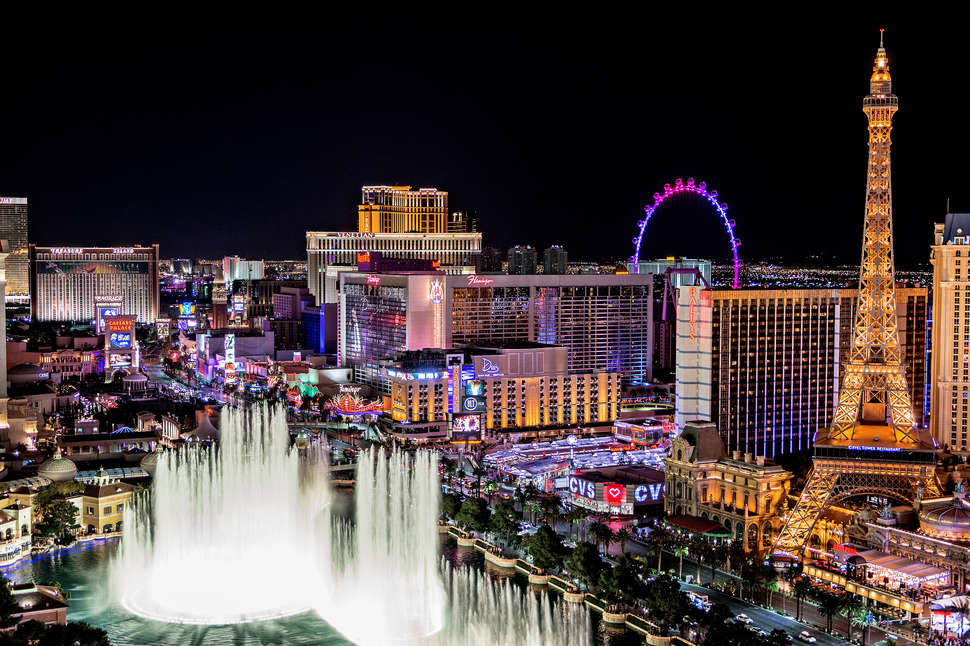
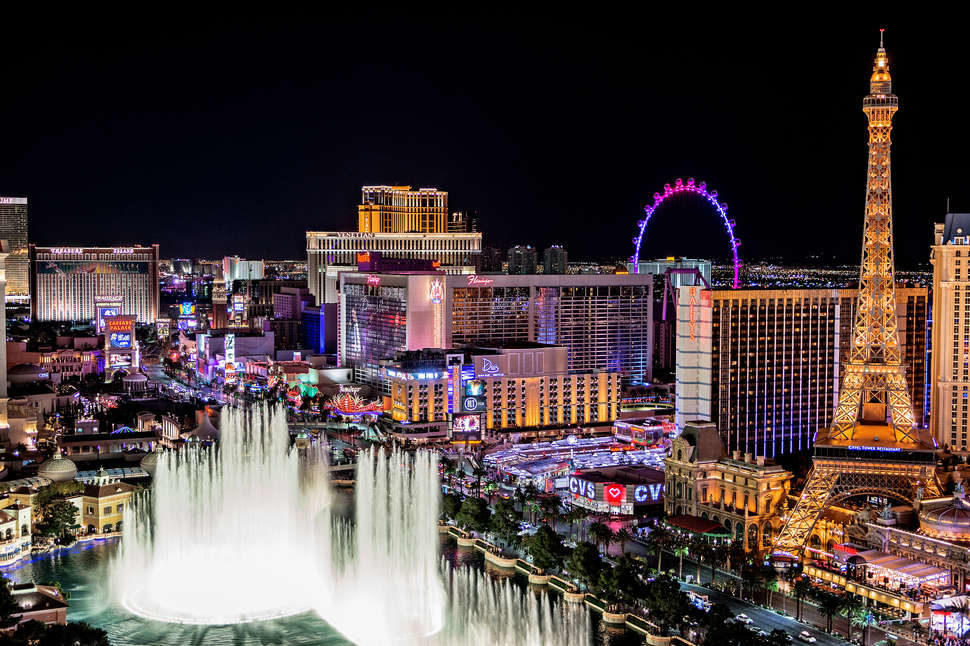
Las Vegas, heaven and hell, simultaneously
60 years ago this year, Aldous Huxley published
Brave New World Revisited, which concluded that the real world was moving towards the future predicted in his classic dystopian novel much more quickly than he had first imagined.
Brave New World, published almost three decades earlier, foresaw a future in which social control had been perfected through a mixture of cultural dumbing down, genetic engineering and the prodigious use of recreational drugs and no-strings sex. Unlike that other classic of dystopian fiction (George Orwell's
1984),
Brave New World proved prophetic in its description of a world in which acquiescence to authority would be purchased through mindless consumerism, rather than imposed with bludgeon and baton. As he wrote in Revisited:
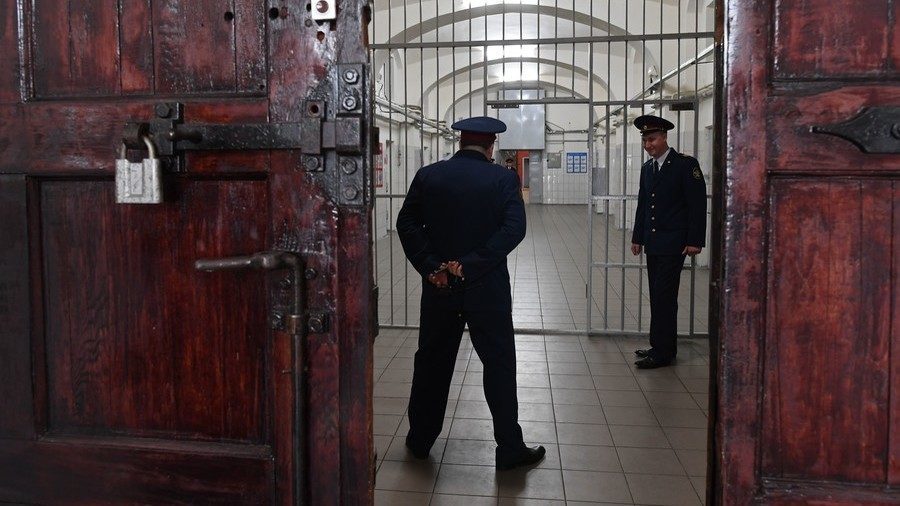
"It has become clear that control through the punishment of undesirable behaviour is less effective, in the long run, that control through the reinforcement of desirable behaviour by rewards, and that government through terror works on the whole less well than government through the nonviolent manipulation of the environment and of the thoughts and feelings of the individual men, women and children." In the world of his fable, he noted,
"punishment is infrequent and generally mild," adding that
"It now looks like the odds are more in favour of something like Brave New World
than of something like 1984
" emerging.
















Comment: See: 'I don't care if I incite fear of Muslims, as long as it prevents children from being raped' - Tommy Robinson in heated interview