© Getty
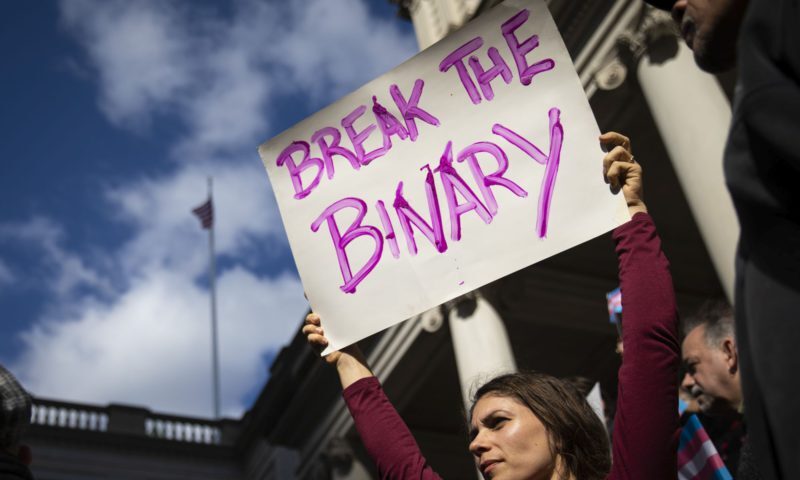
Amid the recent clamour to denounce JK Rowling for her sacrilegious utterance of the word 'woman' came some good news. A slipped-out government announcement revealed - at long last - some badly needed pushback to the demands of
transgender activists. In a paper due to be published at the end of July, the government is expected to drop plans to allow transgender people to change their birth certificates without a medical diagnosis and to put in place new protections to safeguard female-only spaces such as refuges and prisons.
This is not before time. The drawn-out conflict between defenders of sex-based rights and believers in gender self-identification has benefitted no one. And, let's not forget, this was a conflict largely prompted by a
Conservative government. It was back in 2018, on
Theresa May's watch, that the consultation to the Gender Recognition Act (2004) was launched, paving the way for gender self-identification and calling into question once taken for granted assumptions about biology, sex and what it means to be a woman.
But to understand how institutions such as the police, prisons, schools and medical services became so transfixed by the ideology of transgenderism that they were prepared to jettison the safeguarding of children and turn back the clock on women's hard-won rights, we have to look beyond government announcements and consultations. We need to ask how, in little more than two decades, 'transgender' morphed from a term representing individuals, and little used outside of specialist communities, to one signifying a powerful political ideology driving significant social change.





















Comment: A wall protecting areas controlled by those opposed to border walls is magically different than walls built by people who aren't opposed to them, and that magical difference is what's known as cognitive dissonance.