
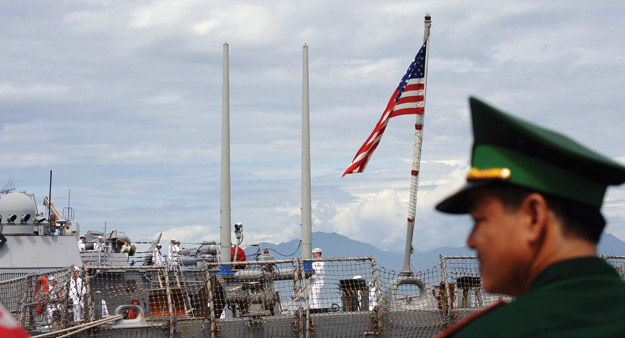
The empty rhetoric accompanying its announcement never materialized. Reading between the lines, what the "pivot" actually meant, was the doubling down on attempts to subvert, corral and otherwise twist the arms of Southeast Asia, South Asia and East Asia into arraying themselves for Washington's convenience and gain, against the growing influence and power of Beijing.
American designs have unraveled everywhere from Malaysia to Thailand and the only steps of this pivot still in good form appear to be in Myanmar and the South China Sea where budding political subversion is growing in one and an escalating strategy of tension is growing in the other. Despite these "successes," the prospects of Myanmar resigning itself to a future with close and growing ties to Beijing are unrealistic.
Likewise, the notion of a remilitarized Japan somehow containing China is untenable and more so each passing day.
Those capitulating today to Washington's attempts to reorder Asia will only be setting their nations back in the years to come when ultimately the "pivot" fails, and all that is left is China and those nations that decided to move forward together with it on its way up.














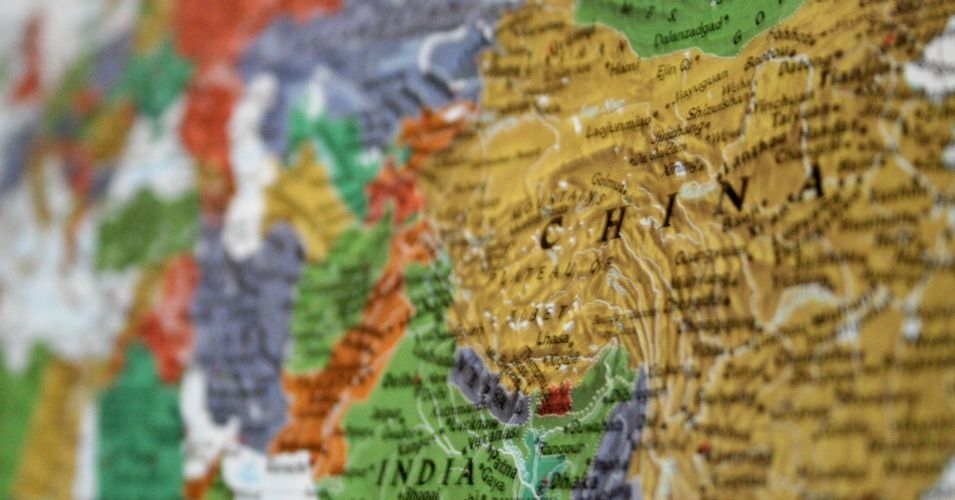




Comment: In 2011 Hillary Clinton, then Secretary of State, wrote, "The future of politics will be decided in Asia." It's been clear, however, that the US 'pivot' has not meant working towards equitable relations with China, but rather an effort to contain, dominate and grow US hegemony over the region. It's a policy that has been met with total failure. US influence is on the decline as the world grows tired of it's liberal economic agenda and it's pathological machinations that seek to usurp power and resources.