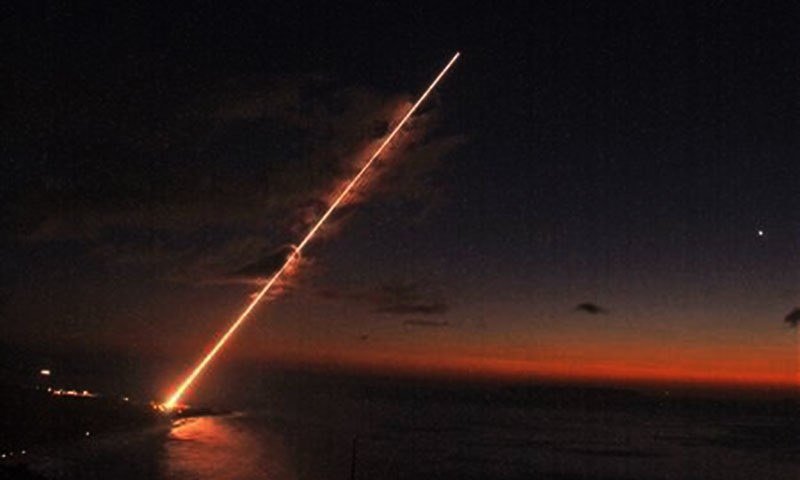
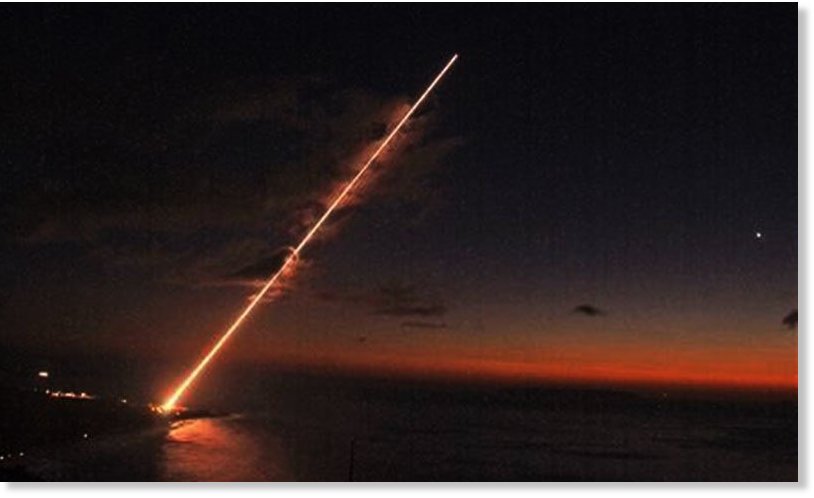
THAAD missile defense system
Warring
hotspots all over the world are flaring up in 2016 in what amounts to preparation for World War III between the military forces of the US led Western Empire against the forces of the Eastern axis led by Russia and China joined by Iran and North Korea. Let's be clear - the globalists are the puppet masters behind the Western forces intentionally provoking catastrophic world war. We live in a time when the earth's ruling elite has willfully created this foreboding, seemingly suicidal endgame scenario, using US Empire to prod, orchestrate, and push the world into two enemy camps in a
West vs. East showdown. Global war timed with the inevitable collapse of their Ponzi-schemed global economy will open the floodgate to unbridled tyranny brought on by their long plotted
one world government. The systematic
destruction of the West and its First World
affluence is but part of this sinister scheme to destabilize every region on the planet in order to engineer such dire, devastating conditions that the surviving global masses will automatically seek refuge and protection from deep state's one world governance as their only means of staying alive. Meticulously creating the conditions most ripe for war, ecological degradation leading to disease and famine ensures that the elite's
eugenics depopulation agenda will leave a slave class of a half to one billion people on earth to serve the diabolical ruling class.
Thus as the only means of escaping this horrific outcome, it's extremely important to expose this nightmarish globalist agenda that's using the US Empire-NATO war machine to aggressively provoke rising world tensions and hostilities as precipitating pre-WWIII events. Per last year's UN Global Trends Report, at
near 60 million, 2014 saw more people being displaced around the world than any previous time in recorded history. The elite's carefully engineered global hotspots cover every corner of the globe, from the US-induced political and economic unrest creating
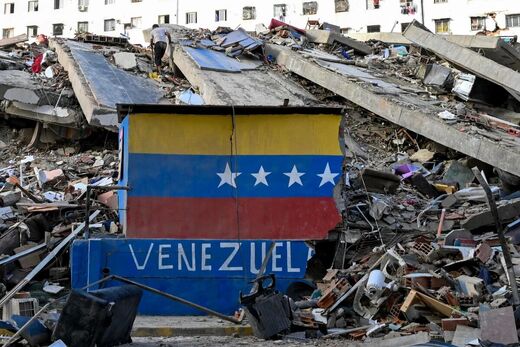
havoc now in Brazil and
Venezuela; a stepped up
war in Ukraine flanked by the built-up deployment of hostile
NATO troops at the Russian border; ongoing war with
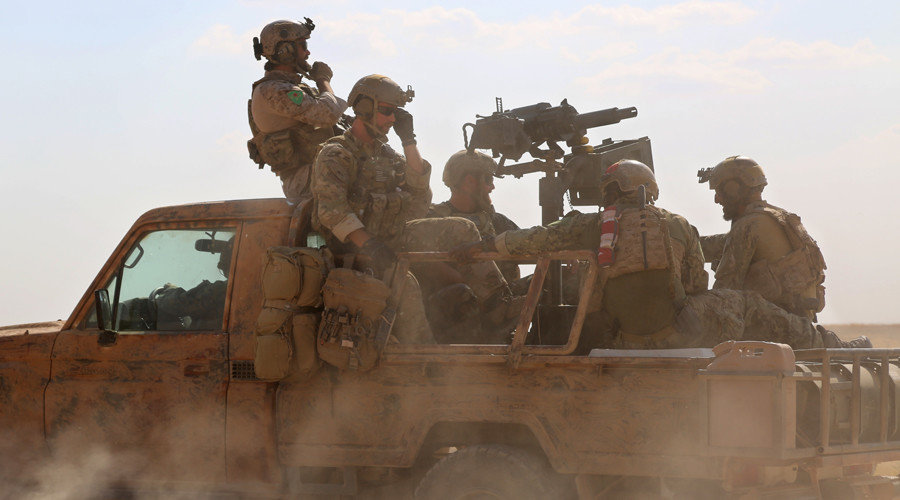
no end in Syria,
Iraq,
Libya,
Afghanistan,
Yemen, and prewar skirmishes, flare-ups and small scale wars in
Somalia,
Pakistan,
Nagorno-Karabakh,
South Sudan,
Burundi and
Central African Republic all the way eastward to the rising tensions in the
South China Sea and the
Korean Peninsula as well as stretching northward to the
Arctic Circle, the West's push for confrontation, aggression and domination against the Eastern alliance is making global war eminent and virtually unavoidable.

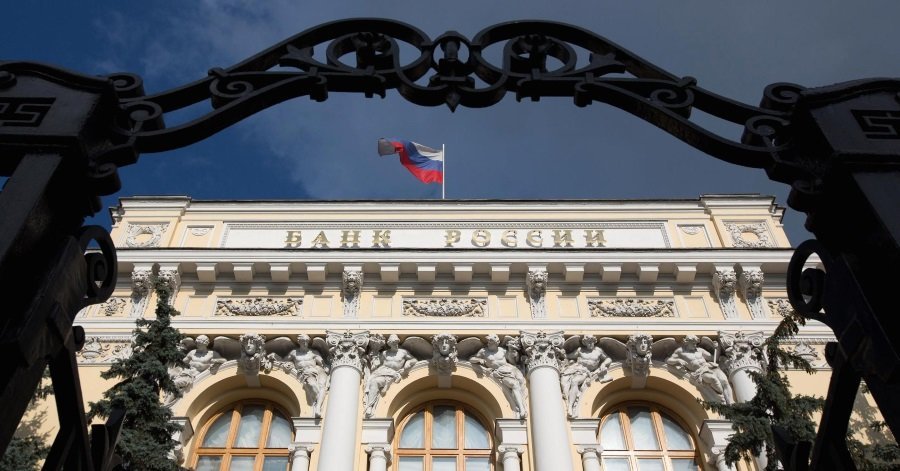












Comment: For more on the Russian Central Bank's strategy check out:
Heart of the bear: Russia's Central Bank & the future of the Russian economy