
SOTT
SIGNS
OF THE
TIMES
OF THE
TIMES
Welcome to Sott.net
The World for People who Think
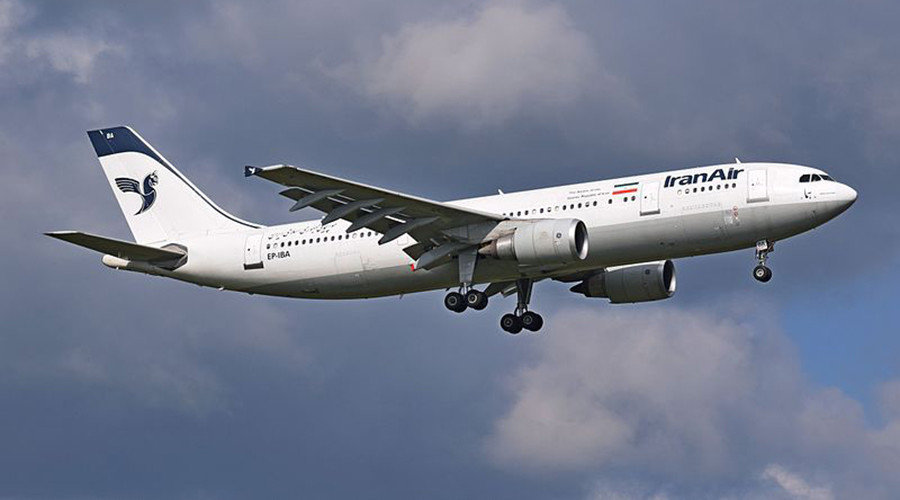




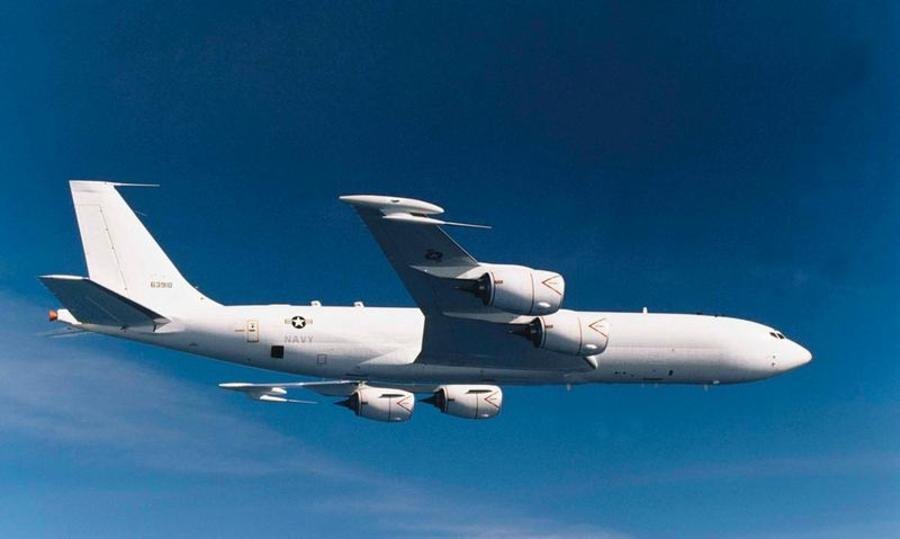
Denver7 tracked IRON99 as it traveled from the West Coast to Oklahoma, where it eventually landed at Tinker Air Force Base, however it spent roughly an hour in Denver, circling in a racetrack-style holding pattern over the city.
A day later -- after the plane landed -- Navy officials responded to comment on the flight, confirming it did hang over Denver for roughly an hour in a holding pattern.
Lt. Leslie Hubbell, who is the assistant public affairs officer for Commander Naval Air Forces, confirmed IRON99's identity is a Navy E-6B Mercury, created by Boeing at a cost of $141.7 million per unit.The unit's overall mission is classified, Hubbell said, but did confirm the mission of the plane's class.
"The overall mission of the E-6B is command, control and communications abilities to direct and employ strategic resources," Hubbell said.
In laymen's terms, the planes are able to launch nuclear missiles and communicate with diverse assets, including nuclear submarines.
According to the Navy's website, the E-6B is a high-tech and large plane, each of which is equipped with an airborne launch control system that can reliably launch intercontinental ballistic missiles (ICBMs).
As to what the incredible weapon was doing above the Denver skyline -- Hubbell said it was halted by the FAA when traveling from its forwarding base in California back to Tinker Air Force Base, where the planes are serviced and housed.
The plane's forwarding location is Travis Air Force Base in Northern California, which declined to admit the plane departed from the base earlier Wednesday morning when asked by Denver7.
Travis Air Force Base officials weren't alone, the FAA said it had no contact with the plane Wednesday despite Hubbell's statement that the FAA told the plane to hold over Denver.
Although the Navy said the plane simply was flying from its forwarding base back to home base, a high-ranking federal official who wasn't authorized to speak on the matter said the plane was involved in a classified training mission organized by the Department of Defense.
The training mission reportedly centered around electronic surveillance and involved several agencies which aren't likely to comment on the mission, the source said.
The source said the mission wasn't out of the ordinary despite its size, noting the public isn't usually aware of such training missions.
It's not known if the mission had anything to do with a Denver-area mission to evaluate drone detection near the Denver International Airport. The FAA announced it would conduct work with the help of the Department of Defense, the Department of Homeland Security and more to help learn what technologies can aid in safely detecting drone activity near airports.
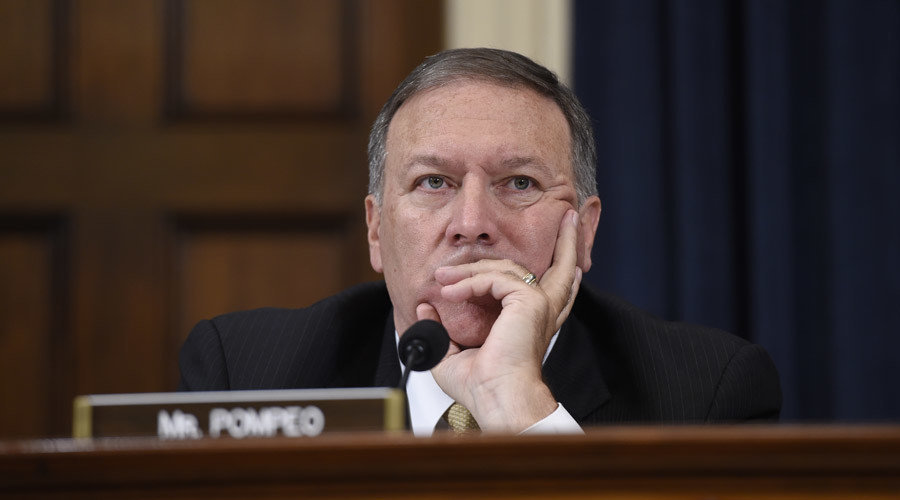
The 69-year-old, four-term Alabama Republican is a hard-liner on free trade and immigration, arguing that prospective immigrants don't have constitutional protections. He has opposed efforts to overhaul prison sentencing, back off the war on drugs and legalize marijuana.
Sessions, a former federal prosecutor, was one of the few lawmakers to defend Trump after he proposed a complete shutdown on Muslims entering the U.S. He told Stephen Bannon on a radio show in 2015 that Trump was "treading on dangerous ground" but it is "appropriate to begin to discuss" the issue.
The attorney general represents the U.S. in legal matters and gives advice to the president and government agencies. The Justice Department's broad portfolio includes prosecution of white-collar crime and enforcement of antitrust and civil rights laws. Sessions would oversee all the U.S. attorneys' offices.
Sessions was born in Selma, Alabama, the son of a country store owner. An Eagle Scout, Sessions received his undergraduate degree from Huntingdon College in Montgomery and his law degree from the University of Alabama. After some time in private practice, he became the U.S. attorney for Alabama in 1981 at age 34. Sessions has served as a captain in the Army Reserve and Alabama state attorney general.
One of his earliest decisions would be whether to follow through on Trump's campaign promises to appoint a special prosecutor to investigate the e-mail practices of his election opponent, Hillary Clinton. Before the election, Sessions called for a special prosecutor.
Trump also has yet to say whether he'll ask for the resignation of Federal Bureau of Investigation Director James Comey, who he criticized over the handling of the investigation into Clinton and for not recommending criminal charges against her.
Sessions would also be deeply involved in vetting potential Supreme Court picks for Trump, including one to fill the seat of Antonin Scalia, who died in February.
Sessions opposed all of President Barack Obama's U.S. Supreme Court picks and also voted against the nomination of Attorney General Loretta Lynch, citing her support for the president's executive actions that shielded some undocumented immigrants from deportation.







Comment: This is obviously just a bunch of hot air since the US has no evidence Russia did any hacking at all.