OF THE
TIMES
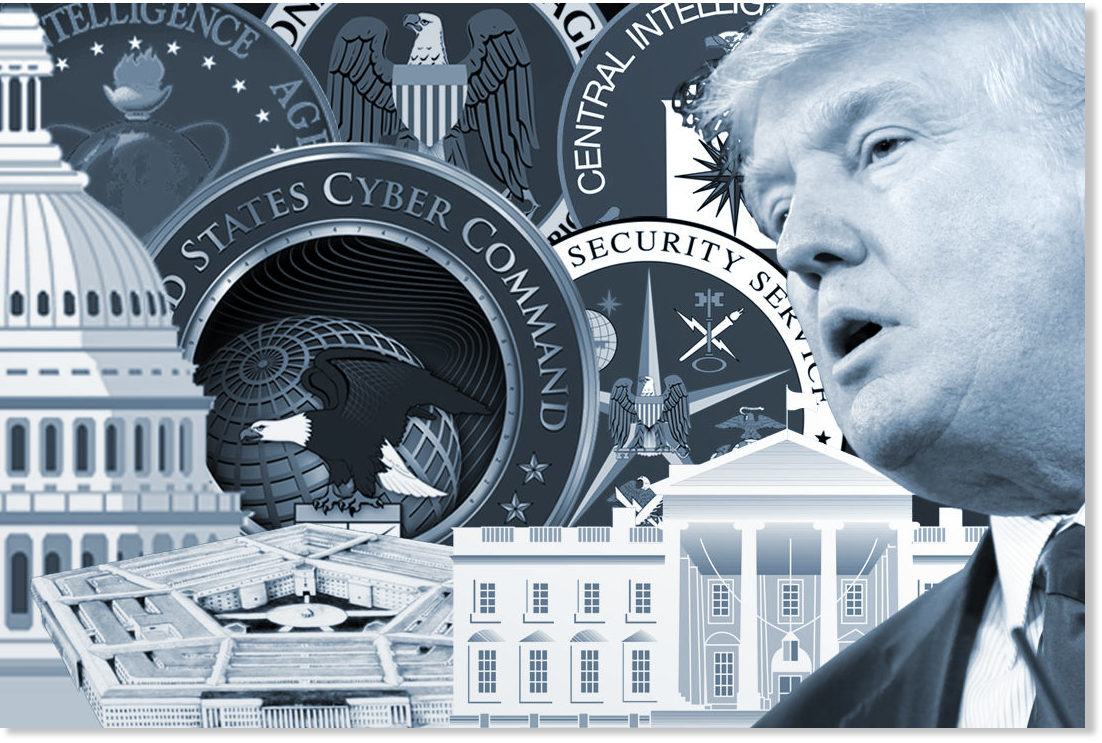
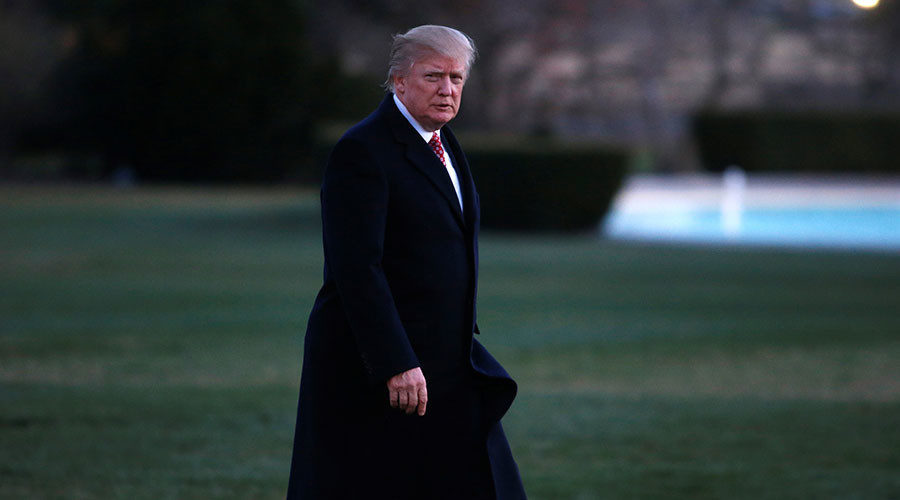
[W]hy is Russia such a perennial target of Washington's? Why are peaceful overtures toward Moscow so scorned? As the Trump administration found out, de-escalation is a no-no in Washington. Russia, along with China, are the leading targets of American long-term foreign policy. They represent the only two nations that might seriously rival the U.S. in Eurasia, which is considered the fulcrum of the 21st century global economy. Preventing the rise of new rivals is long-standing U.S. policy, most explicitly articulated by Paul Wolfowitz on behalf of the Clinton administration in early 1990s.
None of this should come as a surprise. Consider what was at stake. At the macro level, the entire program for global hegemony is under threat. Outlined over decades by foreign policy luminaries such as George Kennan, Allen Dulles, Wolfowitz, and Zbigniew Brzezinksi, the general plan is for full-spectrum dominance, meaning control of land, sea, air, and space, on a planetary basis, with a special emphasis on "Eurasian landmass," as the ghoulish McMaster called it in a recent anti-Russian speech.
If history is any guide, it is unacceptable for a U.S. president to thaw relations with Russia unless that thaw consists of Russia capitulating to American demands.
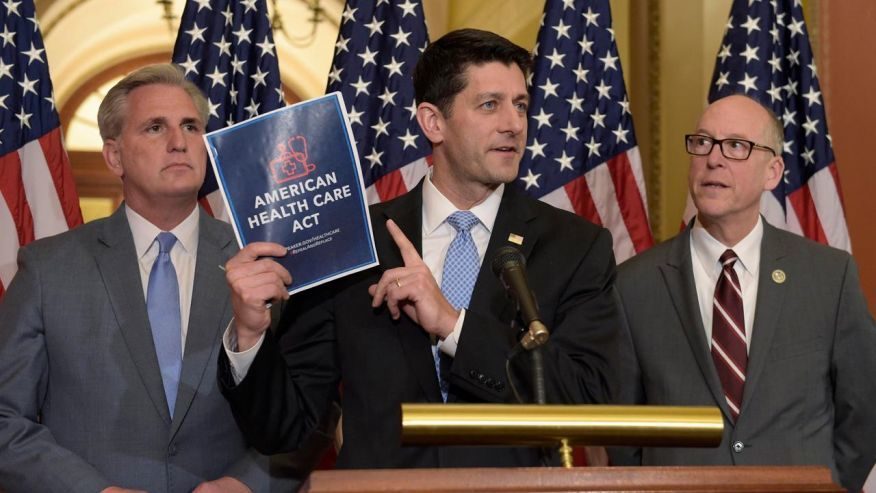
The Canadian plan also helps Canadians live longer and healthier than Americans. . . . We need, as a nation, to reexamine the single-payer plan, as many individual states are doing.The new American Health Care Act has been unveiled, and critics are calling it more flawed even than the Obamacare it was meant to replace. Dubbed "Ryancare" or "Trumpcare" (over the objection of White House staff), the Republican health care bill is under attack from left and right, with even conservative leaders calling it "Obamacare Lite", "bad policy", a "warmed-over substitute," and "dead on arrival."
— Donald Trump, The America We Deserve (2000)
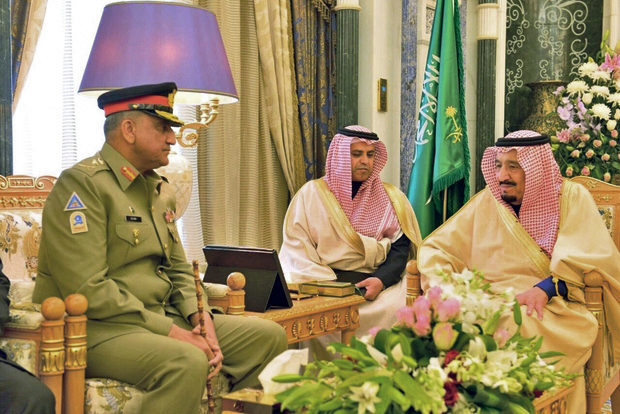
Defence Minister Khawaja Asif on Wednesday categorically rejected reports regarding the deployment of Pakistani army personnel to Saudi Arabia to assist the kingdom in its ongoing war with ongoing Saudi-Yemen conflict.
"No military personnel have been sent to Saudi Arabia in perspective of the Saudi Arabia-Yemen conflict," said the minister.
He was speaking on the floor of the National Assembly in response to a point of order raised by Pakistan Tehreek-i-Insaf (PTI) MNA Shafqat Mahmood.
Mahmood was referring to some reports and posts on the social media which suggested that a Pakistan Army brigade was sent to Saudi Arabia.
Asif said, "It is our policy not to get involved in Saudi Arabia-Yemen conflict. If any decision had to be taken, it will flow through the parliament."
As discussed in this house and approved, he stressed, "It would be our endeavour that our role is not partisan rather we would play a conciliatory role".
According to the federal minister, under a 1982 agreement between Pakistan and Saudi Arabia, just above 1,000 Pakistanis including technicians, doctors and engineers have been living in the country for many years.
"The decision of this house [National Assembly] is like an order for the government that Pakistan will not get involved Saudi Arabia-Yemen conflict," Asif maintained.
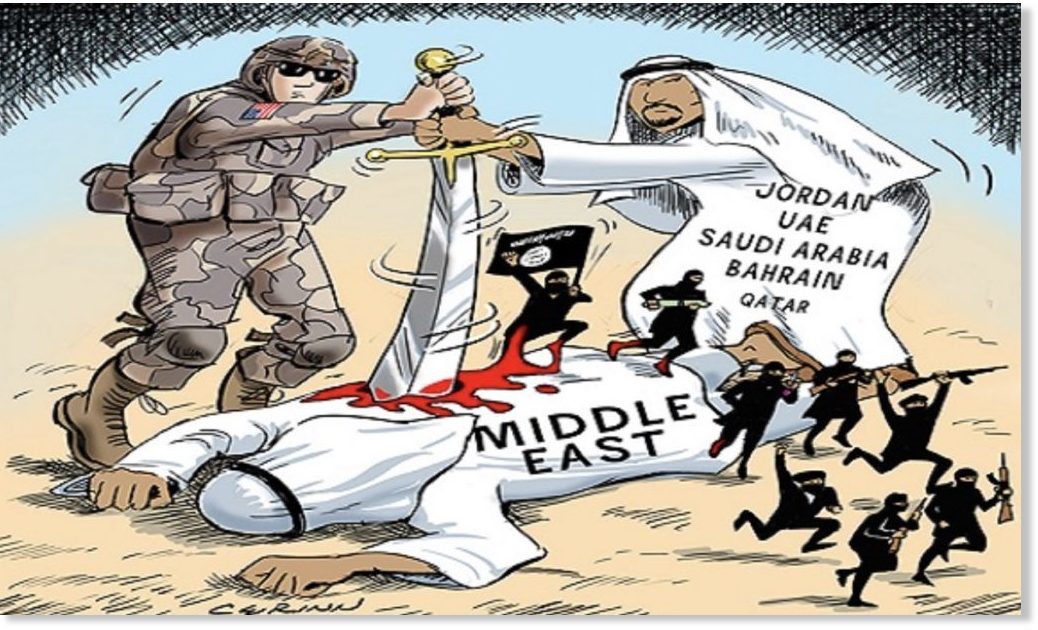
The State Department has approved a resumption of weapons sales that critics have linked to Saudi Arabia's bombing of civilians in Yemen, a potential sign of reinvigorated U.S. support for the kingdom's involvement in its neighbor's ongoing civil war.
The proposal from the State Department would reverse a decision made late in the Obama administration to suspend the sale of precision guided munitions to Riyadh, which leads a mostly Arab coalition conducting airstrikes against Houthi rebels in Yemen.
While the U.S. military has provided support to the Saudi-led air campaign since 2015, including aerial refueling for Saudi jets and a U.S. advisory mission in the Saudi operations headquarters, the Obama administration sought to scale back that support last year amid alleged Saudi strikes on civilian targets.
Comment: The fact that elections around the globe are being influenced by the distinction in media sources for propaganda/fake news versus unbiased reporting tells us that the problem extends way beyond the USA, especially in Western cultures. Those who do not recognize the difference, acknowledge and attempt to rectify are, as they say, 'doomed to repeat' and stuck in the past.