© The Daily Signal/RFE/RLAmerican propaganda outlet.
We are hearing much about Russian efforts to interfere in American politics. This is justifiable if overstated.
Less justified is the deadly silence in the Western media regarding persistent post-cold war American meddling in Russian domestic politics, including the same interference by Americans and the American government in Russian elections that Russians and the Russian government are accused of regarding the recent U.S. elections. A key instrument is America's and the West's
elaborate and robust 'strategic communications' or propaganda network, spearheaded by Radio Free Liberty/Free Europe (RFERL). Aside from propaganda efforts,
direct involvement has occurred in Russian and other countries' internal politics. Indeed, U.S. government entities acknowledge this openly in their internal discussions.
For example, a
Marine Corps University Journal article explicitly stated that democracy-promotion and stratcomm support prodemocratic parties "
to bring about a crisis" in regimes deemed authoritarian in order "to encourage a democratic transition." In examining democracy-promotion's "international dimension," the article discusses "coercive" and "intrusive" measures in support of creating democratic regimes in authoritarian states as well as more benign methods of "prodemocratic public diplomacy." Its author defined democracy promotion as "combined action of government agencies and private partners" that
seeks to "influence opinion and mobilize the public in ways that support interests and policies of foreign states" within the target state. Its "essence" is "strategic communication," which is modern-speak for propaganda and "aims to capture the hearts and minds of the general public in recipient countries" (my emphasis from Alessandra Pinna, "The International Dimension of Democratization: Actors, Motivations, and Strategies,"
Marine Corps University Journal, Vol. 5, No. 1 (Spring 2014), pp. 27-57, at pp. 49-50 and 55). More importantly,
the US has a long history of actually destabilizing regimes to the benefit of its own interests, not just democracy.

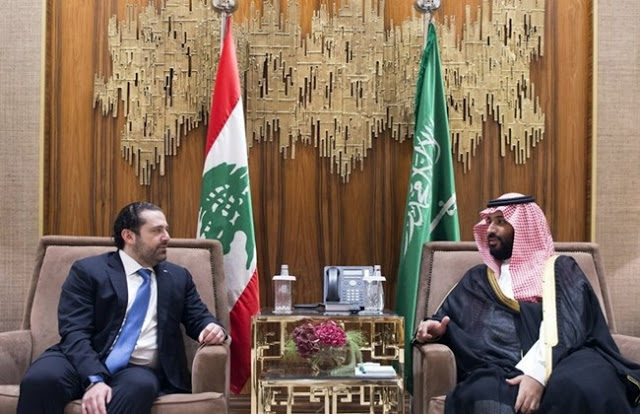




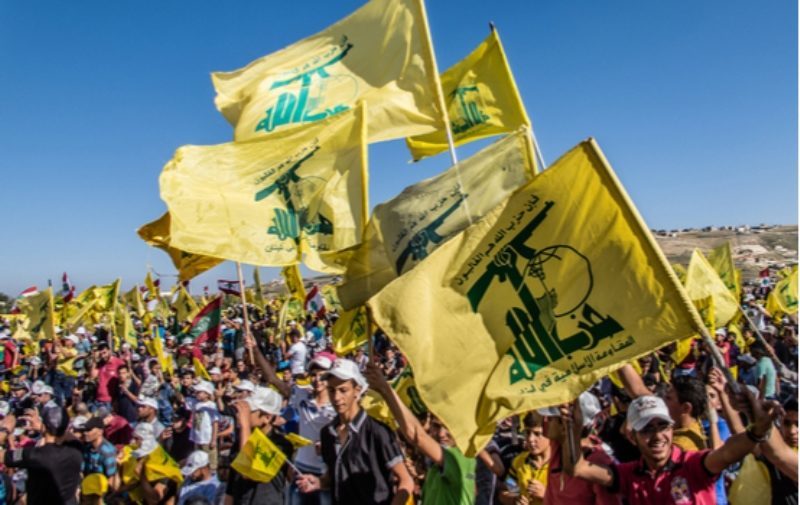







Comment: Marwa Osman at Fort Russ argues that this is the U.S. and Israel's "plan b" after losing the war in Syria. It comes on the heels of Trump's anti-Hezbollah rhetoric and the House's adding of Hezbollah's political wing to their terror list, not to mention new sanctions: