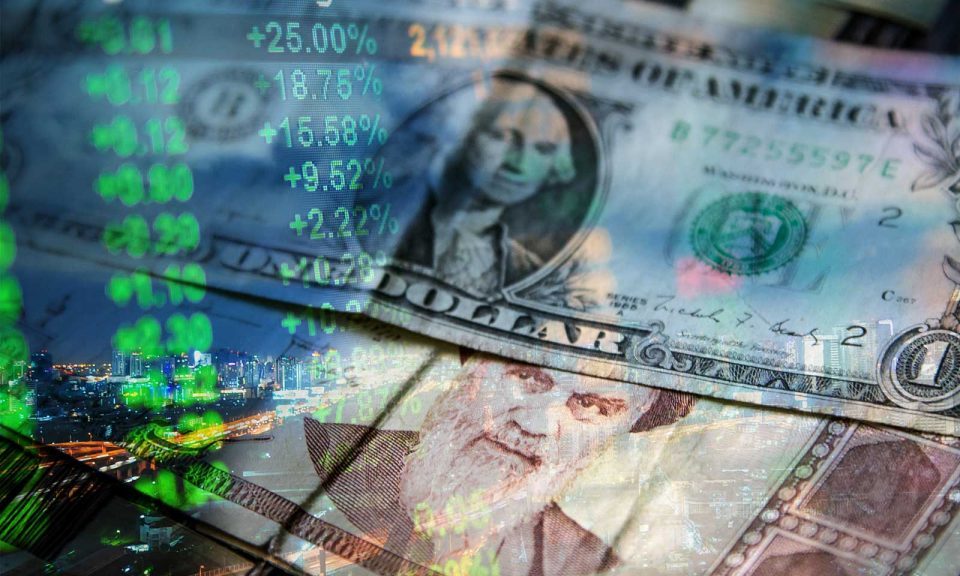
© iStockIran oil exports will likely drop to just over 2 million barrels a day pushing the rial lower.
There are multiple, complex, parallel vectors at play in this wilderness of crashing currencies. Turkey's case is heavily influenced by the bubble of
easy credit created by European banks.
Argentina's problem is mostly to do with the neoliberal austerity of President Mauricio Macri's government admitting it won't be able to fulfill payment targets agreed with the IMF less than three months ago.
Iran's has to do with harsh United States sanctions imposed after the Trump administration's unilateral pullout from the Iran nuclear deal.
Brazil's has to do with what the Goddess of the Market considers anathema: a victory by the imprisoned Lula (former president Luiz Inácio Lula da Silva) or his appointed candidate in the presidential election next October.
This is a serious currency crisis affecting key emerging markets. Three of these - Brazil, Argentina and Turkey - are G20 members, and Iran, absent external pressure, would have everything to qualify as a member. Two - Iran and Turkey - are under US sanctions while the other two, at least for the moment, are firmly within Washington's orbit.
Now, compare it with currencies that are gaining against the US dollar: the Ukrainian hryvnia, the Georgian lari and the Colombian peso. Not exactly G20 heavyweights - and all of them also inside Washington's influence.







Comment: A manipulative ploy by the US to get the Palestinians to accept an upcoming Trump 'deal'?
See also:
- Jared Kushner reportedly asked Jordan to end refugee status for 2M Palestinians
- Kushner's push for an 'honest effort to disrupt' Palestinian refugee agency has Abbas up in arms
- The unintended consequences of Trump's UNRWA Palestinian budget cuts
- Reading Maimonides in Gaza: Working with UNRWA during Israel's assaults on Gaza
The US is/was the largest country donor to UNRWA, but certainly not the only one. See here.