© Unknown
Over the following two decades, the first six were bombed, destabilized, or collapsed into civil war.
Only Iran remains standing — resistant to Western central banking, culturally hostile to global usury, and guarding some of the world's most ancient archeological sites.
Now, major media outlets such as
Fox News and the
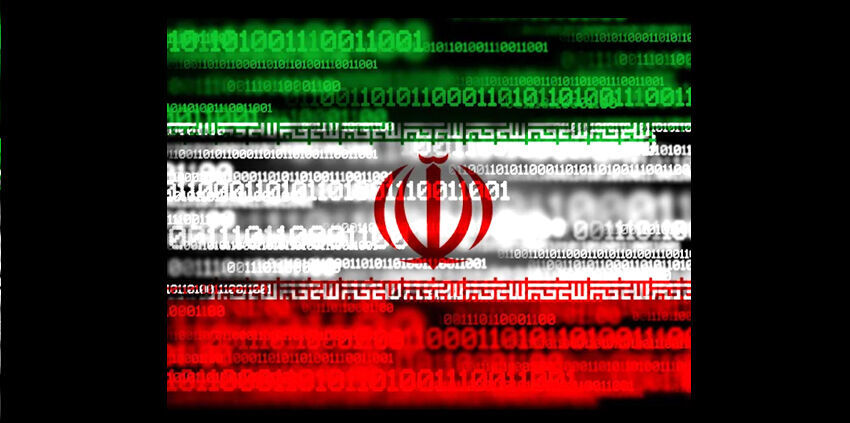
Independent warn of a looming cyberwar, and we're told to brace for a potential Iranian cyberattack on the US or its allies, aimed at critical infrastructure such as power and water systems. But rather than ask how to defend against it, we should ask something more:
Is Iran really the culprit? Or is it the designated scapegoat for an event designed to advance elite control both abroad and at home?Recent history provides a clear pattern: When crises erupt, state and corporate power rapidly consolidate. After
9/11, the US government ushered in the Patriot Act, warrantless surveillance, and indefinite detention, all in the name of security. The
2008 financial collapse delivered historic bank bailouts and accelerated economic consolidation. In 2020, the
covid pandemic normalized lockdowns, QR-code health passes, and
calls for digital identity systems tied to medical records. In the wake of the
Capitol riot, proposals
exploded for increased censorship, AI-powered surveillance, and
policing of online speech.
As the author Naomi Klein outlined in her seminal work, The Shock Doctrine, elites routinely exploit crises to fast-track policies that populations would otherwise reject.

















Comment: A larger view. More 'fun and (Great) games'?: