Science & TechnologyS


Magnify

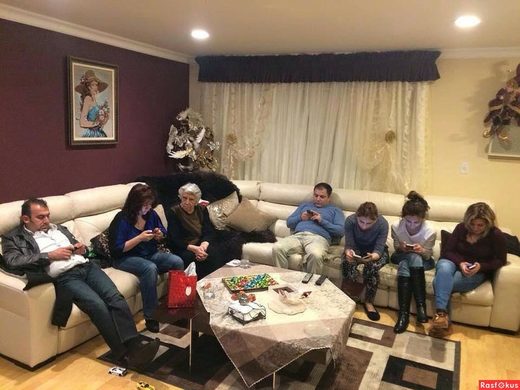
This is what the holiday season does to your brain

Holiday blues
© Mike Kemp / Getty Images
Giving, gratitude and all that sugar can make you feel awesome. But the winter blues are real, too.

It turns out that there's a whole network in our brains devoted to the Christmas spirit.

Scientists at the University of Copenhagen in Denmark accidentally found evidence of the network when they were conducting migraine research and noticed that several regions of the brain activate when healthy people view warm and fuzzy Christmas-themed photos. They published their finding in the British Medical Journal on Dec. 16.

"We found the findings very interesting," Dr. Bryan Haddock, a medical physicist at the university and a co-author of the study, told The Huffington Post.
Magnify

New genetic theory might pave way to understanding human intelligence

intelligence
© Science Picture Co./CorbisThe researchers found that genes that influenced the intelligence and ability of healthy people were the same ones that impaired cognitive ability and caused epilepsy when mutated.
Scientists from Imperial College believe that intelligence may be influenced by two networks of genes, possibly controlled by a master regulatory system

British scientists believe they have made a huge step forward in the understanding of the mechanisms of human intelligence. That genetic inheritance must play some part has never been disputed. Despite occasional claims later dismissed, no-one has yet produced a single gene that controls intelligence.

But Michael Johnson of Imperial College London, a consultant neurologist and colleagues report in Nature Neuroscience that they may have discovered a very different answer: two networks of genes, perhaps controlled by some master regulatory system, lie behind the human gift for lateral thinking, mental arithmetic, pub quizzes, strategic planning, cryptic crosswords and the ability to laugh at limericks.

Sheeple

UK couple have dead dog cloned in South Korea

Jacques family
© Christopher ThomondRichard Remde, Laura Jacques and dogs.
Laura Jacques and Richard Remde are first British customers of Sooam Biotech Research Foundation

A British couple has flown to South Korea to await the arrival of two puppies due to be born over Christmas after having their dead pet cloned.

Laura Jacques and her partner, Richard Remde, from Yorkshire, are the first UK customers to employ the services of the Sooam Biotech Research Foundation, which offers a dog cloning service for $100,000 (£67,000) per canine.

The couple's boxer dog, Dylan, died in June, leaving Jacques bereft. "I had had Dylan since he was a puppy," she said. "I mothered him so much, he was my baby, my child, my entire world."

Sooam, the leading laboratory in the world for dog cloning, has produced more than 700 dogs for commercial customers. The technique involves implanting DNA into a "blank" dog egg that has had the nucleus removed. The egg is given electric shocks to trigger cell division and is then implanted into a surrogate female dog.

The two puppies due to be born in the next few days will have identical DNA to Dylan, are likely to resemble him physically and share some of his personality.

Beaker

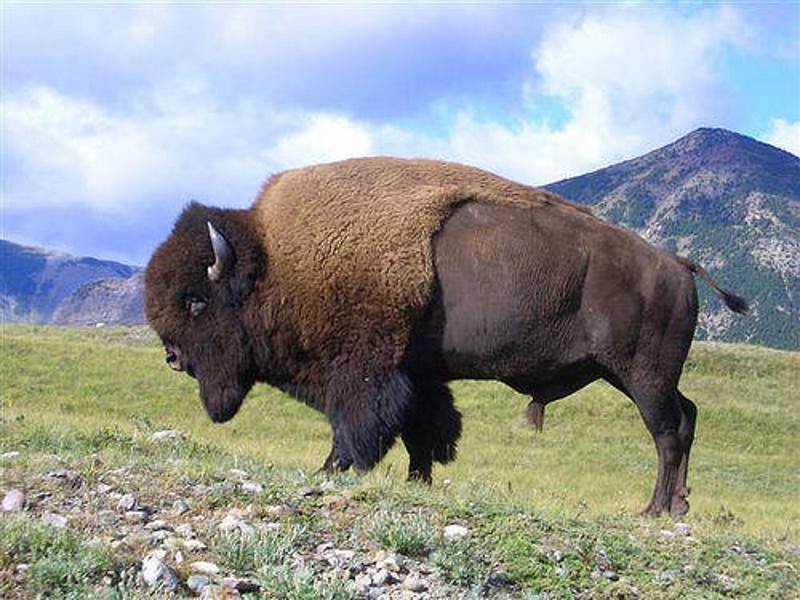
Utah found to be home to unique genetically pure bison

Researchers have confirmed that the Henry Mountains of southern Utah are home to a rare, genetically pure bison herd. The team included Utah State University scientists who analyzed tissue samples from the bison.
utah bison genetically pure
The North American Bison.
Dr. Johan du Toit, professor of ecology and large mammal conservation at USU, took part in the research. He said that the herd is even more unique than other populations of bison that have not interbred with cattle.

"We've got a very, very special case in that the Henry Mountains bison is actually in fact the only population of bison in existence which is now both genetically pure and is free of the disease brucellosis and is free-ranging on public land co-mingling with cattle and is legally hunted," du Toit said. "So, we have this very unique population which is one of a kind. It's a large credit to the Utah Division of Wildlife Resources, the Bureau of Land Management, and the local Henry Mountains Grazing Association. Over the years, they worked together to conserve this resource."

Camera

NASA captures radar images of asteroid passing Earth on Christmas Eve

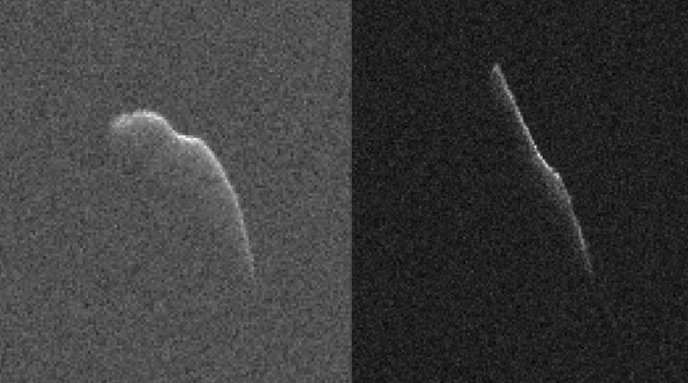
Asteroid SD220
© NASA
'Tis the night before Christmas, and Asteroid 2003 SD220 is making its closest approach to Earth. NASA managed to snap a few pics of this pickle-shaped asteroid, which the space agency says poses no threat to our planet whatsoever.

This asteroid will breeze by Earth today at a distance of 6.8 million miles (11 million km). Using the Deep Space Network's 230-foot (70-meter) antenna at Goldstone, California, scientists at NASA's Jet Propulsion Lab acquired some grainy radio images of the large space rock. These scans were made from December 17-22 when the asteroid was at a distance of 7.3 million miles (12 million km).

"The radar images data suggest that asteroid 2003 SD220 is highly elongated and at least 3,600 feet [1,100 meters] in length," noted JPL's Lance Benner of JPL in a statement. "The data acquired during this pass of the asteroid will help us plan for radar imaging during its upcoming closer approach in 2018."

Indeed, this asteroid will come back in a few years, but it'll be even closer at a distance of 1.8 million miles (2.8 million km).

"There is no cause for concern over the upcoming flyby of asteroid 2003 SD220 this Christmas Eve," added NASA's Paul Chodas. "The closest this object will come to Santa and his eight tiny reindeer is about 28 times the distance between Earth and the moon."

Saturn

Cassini spacecraft's last close flyby of Saturn moon brings NASA team sense of 'sadness & triumph'

Cassini Jupiter
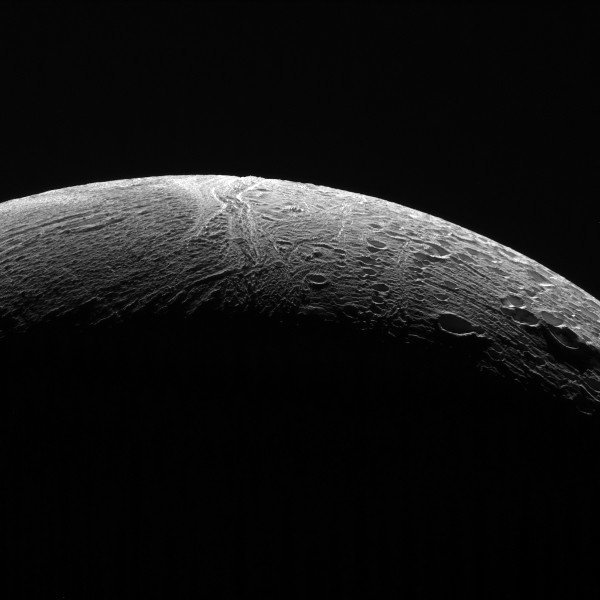
© NASANASA's Cassini spacecraft peered out over the northern territory on Saturn's moon Enceladus, during its final close flyby of Enceladus, on Dec. 19, 2015
NASA's Cassini spacecraft has completed its final close flyby of Saturn's moon Enceladus, capturing detailed images of its furrows and ridges. It was the spacecraft's 22nd encounter with the icy satellite.

Cassini passed Enceladus at a distance of 3,106 miles (4,999km) on December 19, snapping stunning photos of the moon.

The images, transmitted by the spacecraft and released by NASA, show three views from Cassini - one as it peered out over the moon's northern territory, another that focused on the icy moon's craggy, dimly lit limb, with the planet Saturn beyond, and a third photo showing the nearly parallel furrows and ridges of the feature named Samarkand Sulci.The flyby was Cassini's final close encounter with Enceladus - a fact that brings "both sadness and triumph," according to Earl Maize, Cassini project manager at NASA's Jet Propulsion Laboratory.

Snow Globe

Full moon to appear on Christmas Day; First time in 38 years

full moon
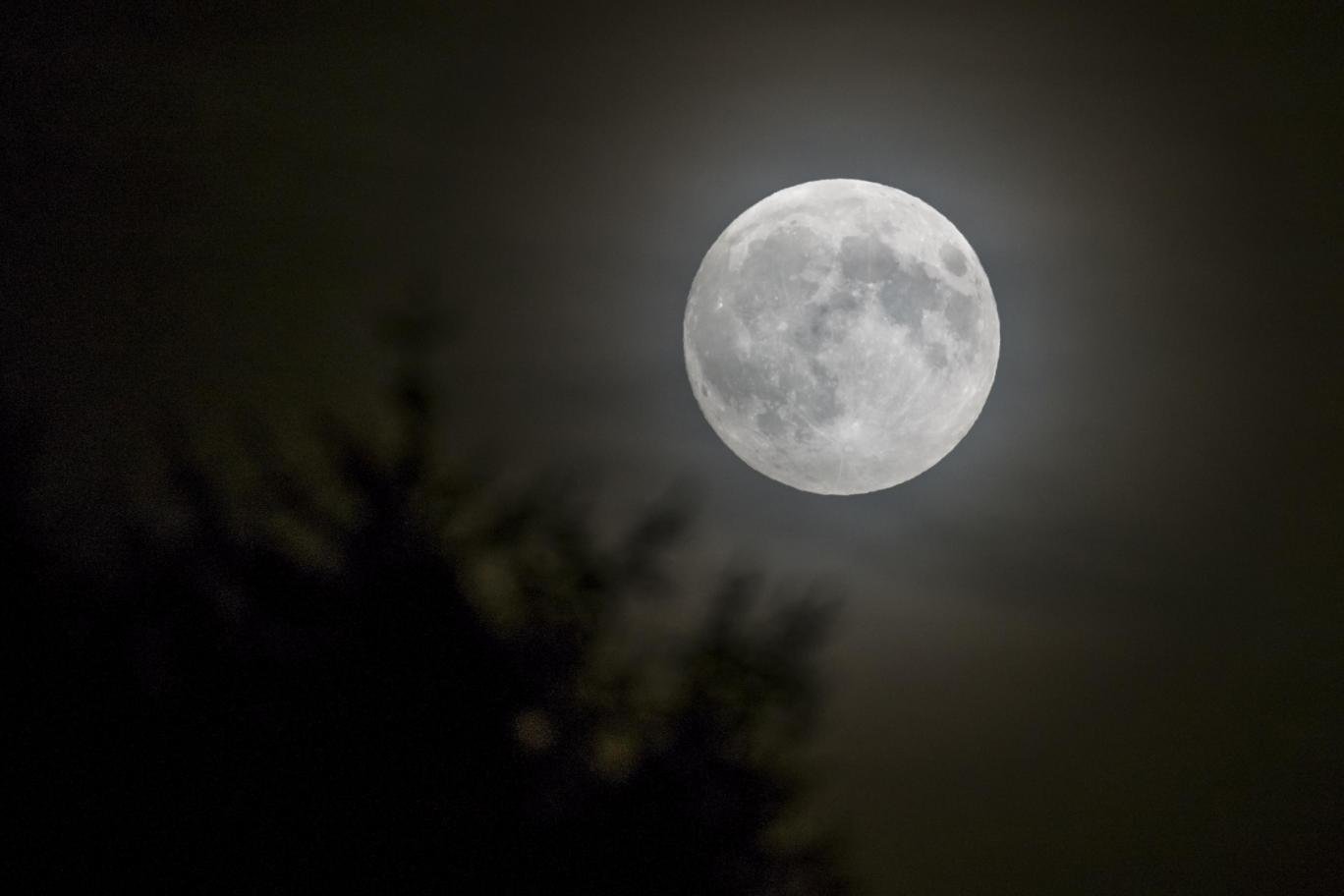
© Fabrice Coffrini/AFP/Getty ImagesThe full moon rises over Lausanne, France, in September 2015
A full moon will appear in the skies over Britain on Christmas day, for the first time in decades.

The last time there was a full moon on 25 December was 1977, and there won't be another one until 2034 - so unless you want a long wait to catch a sight of this rare astronomical occurrence, it's a good idea to head outside and look up on Christmas.

The full moon, which is the last of the year, is called the Full Cold Moon because it occurs at the start of winter.

Magic Wand

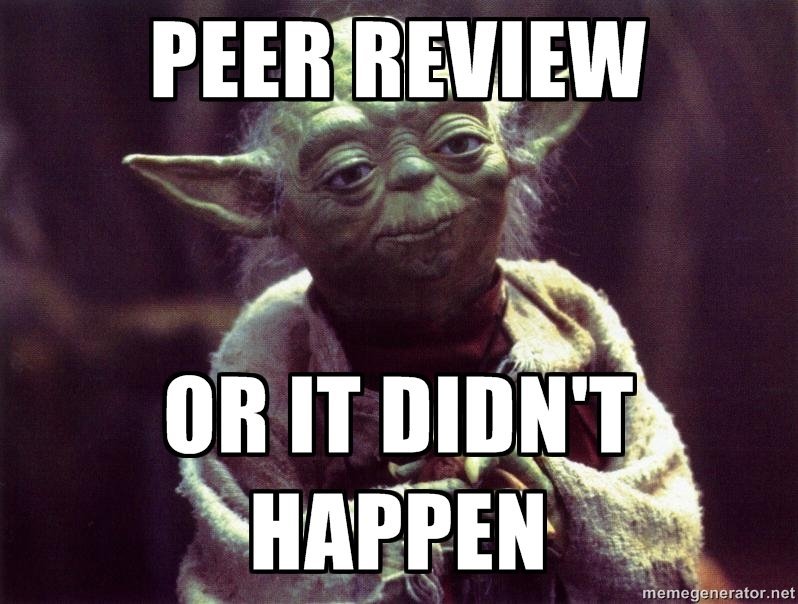
You can't trust peer review: Top 10 retractions of 2015

peer review
This was a year for splashy headlines about retractions, after some much-ballyhooed findings were pulled. Some prominent scientists each retracted multiple papers in 2015. And, of course, the last 12 months saw more and more cases of faked peer review. Here, in no particular order, are our picks for the top 10 retraction stories of 2015.

Comment: Exemplary behavior from the scientific establishment. Consider the paper that was cited 676 times before being retracted. Just consider the number of citations still on the books for papers later retracted, or which have yet to be exposed. And remember that the next time some scientism fundamentalist whines, "But it's peer-reviewed!"


Book 2

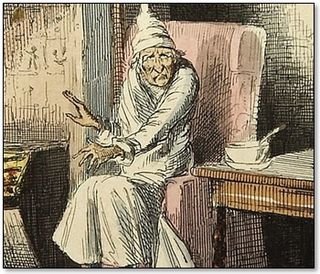
Charles Dickens, neuroscientist: Ebenezer Scrooge lets his mind wander

Scrooge
© Wiki / Flickr"Famous Fictional Characters Who Had Real Life Inspirations" by brizzle born and bred.
Written with the ostensive purpose of raising public awareness over the plight of the poor in 19th century England, Charles Dickens' A Christmas Carol became an instant holiday classic that has never once been out of print since its initial publication in 1843. In addition to being an undeniable literary masterpiece, Dickens' hopeful tale of human transformation is also a prescient piece of neuroscience, anticipating an aspect of human consciousness that was not understood until just a little over two decades ago.

It was once thought that when the human brain is not engaged in some purposeful task requiring concentration, it is "at rest," or more or less idle. Recent developments in neuroimaging technology, however, have shown that nothing could be further from the truth.

The "resting brain" is every bit as active as it is when it is dutifully working on a math problem or preparing a tax form, although the activity shifts to a different part of the brain during such periods of directed attention. Research on this resting state activity has revealed a discrete brain network that kicks in whenever the brain is not actively engaged in a goal-oriented task. So pervasive is this neural mode, active whenever our "central executive network" is not engaged in a task, and even sometimes when it is supposed to be engaged in one, that its discoverer Marcus Raichle named it the "default" mode.

Black Cat 2

Big "Schrödinger's cats" created

Black Cat
© Saiid El Ghazal / Shutterstock
The imaginary feline known as Schrödinger's cat, which is both alive and dead (or neither) until beheld, is the best-known representation of the real-life phenomenon known as superposition.

Now, for the first time, scientists have demonstrated superposition over a macroscopic scale of about a half-yard (0.54 meters). This finding reveals that superposition is possible at the distances and timescales of everyday life, researchers said.

This research could one day help test the limits of quantum physics, potentially yielding insights that could rewrite what researchers know about the nature of reality, scientists added.