Science & TechnologyS


Info

Unusual behaviour change noted among humpback whales

Humpback Whales
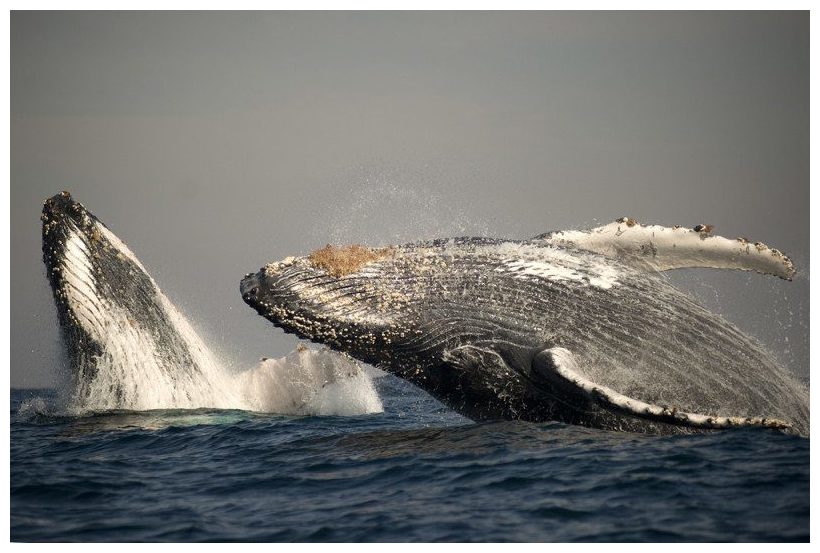
© Colin Marshall/FLPADid someone say dinner?

In a mysterious change to their normal behaviour, humpback whales are forming massive groups of up to 200 animals.

Humpbacks aren't normally considered to be terribly social. They are mostly found alone, in pairs, or sometimes in small groups that disband quickly.

But research crews have spotted strange new social behaviour on three separate cruises in 2011, 2014 and 2015, as well as a handful of public observations from aircraft.

These super-groups of up to 200 were spotted feeding intensively off the south-western coast of South Africa, thousands of kilometres further north from their typical feeding grounds in the polar waters of the Antarctic.

"It's quite unusual to see them in such large groups," says Gísli Vikingsson, head of whale research at the Marine and Freshwater Research Institute in Iceland.

Cassiopaea

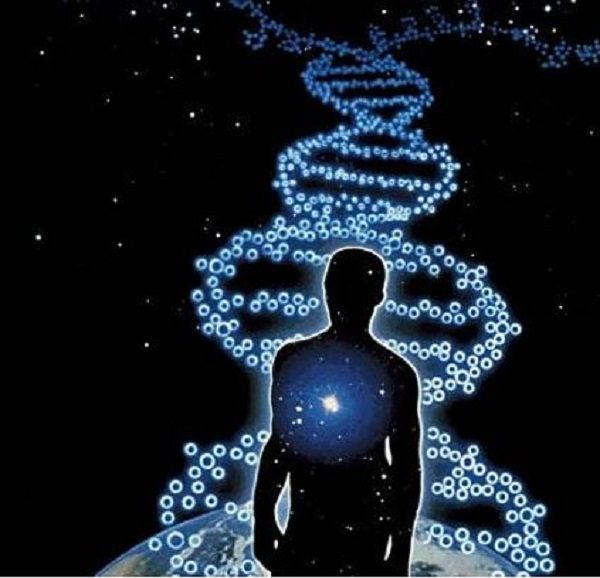
'Crucial regulatory segments' in DNA control thousands of genes

DNA reprogramming
The mysterious majority -- as much as 98 percent -- of our DNA do not code for proteins. Much of this part of our genome was thought to be nonfunctional evolutionary leftovers that are just along for the ride. However, hidden among this noncoding DNA are many crucial regulatory elements that control the activity of thousands of genes. What is more, these elements play a major role in our health with their potential to trigger diseases such as cancer, heart disease, and even autism.

After the 2003 completion of the Human Genome Project -- which sequenced all 3 billion "letters", or base pairs, in the human genome -- many thought that our DNA would become an open book. But a perplexing problem quickly emerged: although scientists could transcribe the book, they could only interpret a small percentage of it.

Biologists have suspected for years that some kind of epigenetic inheritance occurs at the cellular level. The different kinds of cells in our bodies provide an example. Skin cells and brain cells have different forms and functions, despite having exactly the same DNA.

As part of a major ongoing effort to fully map and annotate the functional sequences of the human genome, including this silent majority, the National Institutes of Health (NIH) announced new grant funding for a nationwide project to set up five "characterization centers," including two at UC San Francisco, to study how these regulatory elements influence gene expression and, consequently, cell behavior.

Comment: New science says that DNA is not the all powerful molecule biologists make it out to be


Seismograph

Scientists say 7.4 quake would cause ruptures from Los Angeles to San Diego

LA traffic
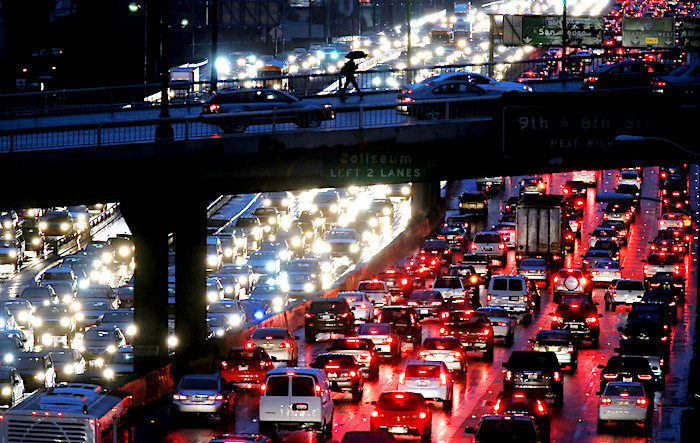
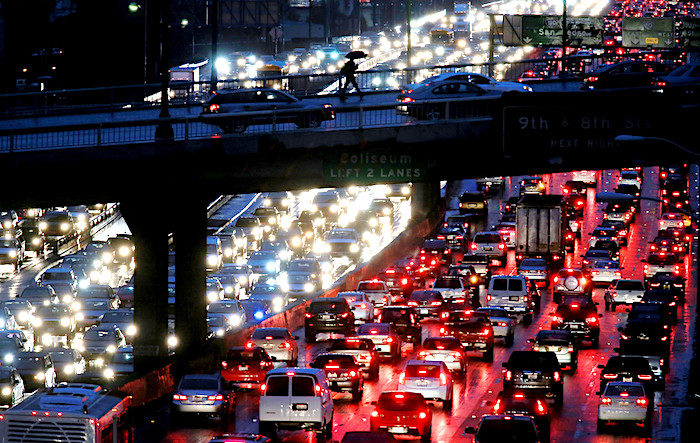
© Los Angeles TimesImagine: 7.4 magnitude earthquake in the LA basin at rush hour...
A new study shows that it is possible for a 7.4 magnitude earthquake to affect an area as wide as Los Angeles to San Diego. The Long Beach Earthquake of 1933 had a magnitude of 6.4 and killed 120 people, but a 7.4 would be 30 times as powerful.

For such a devastating earthquake to take place, it would have to be the result of a rupture, not only the Newport-Inglewood fault in Orange and Los Angeles counties, but also in San Diego's Rose Canyon fault system, which has not moved since around the mid-1650s.

The study, published in the Journal of Geophysical Research, concluded that
"an end-to-end rupture of the offshore portion of the (Newport-Inglewood/ Rose Canyon) fault zone could, depending on rupture characteristics, produce a M 7.3 earthquake, or a M 7.4 event if a northern onshore segment is included. If rupture were to occur on the southern onshore portion of the fault as well, the magnitude would be even greater."
US Geological Survey's Valerie Sahakian, lead author of the study, told the Los Angeles Times, "These two fault zones are actually one continuous fault zone."

Previously, scientists have reported that there could be as much as a three-mile gap between the faults, but the new study posits that the faults are only separated by a distance of one and a quarter miles. Sahakian said, "That kind of characterizes it as one continuous fault zone, as opposed to two different, distinct fault systems," explaining that this characteristic makes it easier for an earthquake to spread, as its seismic reach widens.

Some seismologists have suggested that the two faults may be one over the last 30 years, but proving the theory requires finding the gap's underwater location. Now, researchers from UC San Diego's Scripps Institution of Oceanography, including Sahakian, spent 100 days aboard boats collecting data in 2013.

They generated data using a machine that sends acoustic waves to the sea floor. The information sent back helped researchers locate the faults and produce a more accurate map.

Egill Hauksson, a seismologist at Caltech not involved with the study said that the location of the faults, near the shoreline and with extremely watery soil, is a cause for concern. He explained, "you would see a lot of liquefaction in the coastal areas, which means there will be a lot of damage to all kinds of coastal structures or piers." The most-impacted areas in such a temblor would have to seek assistance from places as far away as Santa Barbara and the Inland Empire.

Sahakian advised, "Make sure your bookshelves are bolted to the wall. Always be prepared for a large earthquake."

Satellite

Lunar spacecraft lost since 2009 found by NASA using radio waves

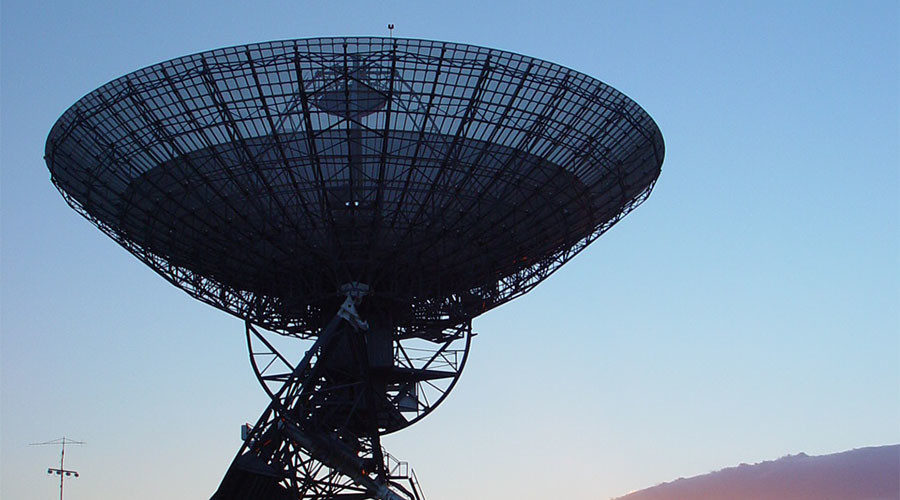
antenna shooting high frequency radio waves into space
© NASA
NASA has established radar capabilities to pinpoint tiny pieces of hardware lost in space and has already used it to find a lunar orbiter which mysteriously vanished in 2009.

The technique is being refined by NASA experts from the agency's Jet Propulsion Laboratory in Pasadena, California, and involves an extremely powerful antenna shooting high frequency radio waves into space.

NASA reported how it used the 70-meter antenna at the Goldstone Deep Space Communications complex in the Mojave Desert to detect India's Chandrayaan-1, which lost contact with earth almost a decade ago.

Christmas Lights

Neuroscientists discover new 'mini-neural computer' in the brain

dendrite
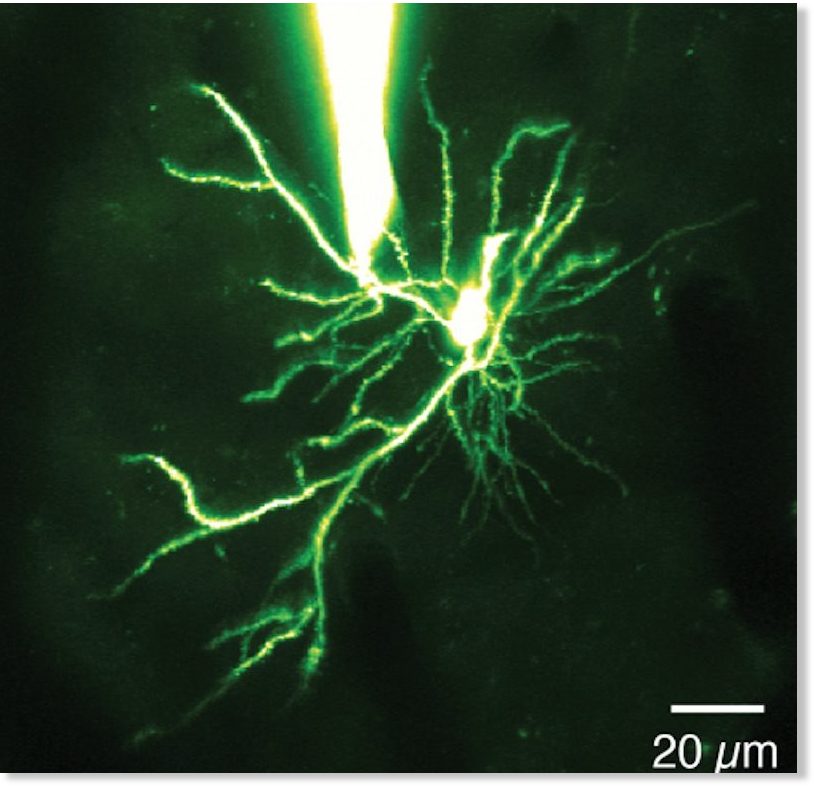
© Spencer SmithThis is a dendrite, the branch-like structure of a single neuron in the brain. The bright object from the top is a pipette attached to a dendrite in the brain of a mouse. The pipette allows researchers to measure electrical activity, such as a dendritic spike, the bright spot in the middle of the image.
Dendrites, the branch-like projections of neurons, were once thought to be passive wiring in the brain. But now researchers at the University of North Carolina at Chapel Hill have shown that these dendrites do more than relay information from one neuron to the next. They actively process information, multiplying the brain's computing power.

"Suddenly, it's as if the processing power of the brain is much greater than we had originally thought," said Spencer Smith, PhD, an assistant professor in the UNC School of Medicine.

His team's findings, published October 27 in the journal Nature, could change the way scientists think about long-standing scientific models of how neural circuitry functions in the brain, while also helping researchers better understand neurological disorders.

"Imagine you're reverse engineering a piece of alien technology, and what you thought was simple wiring turns out to be transistors that compute information," Smith said. "That's what this finding is like. The implications are exciting to think about."

Jet2

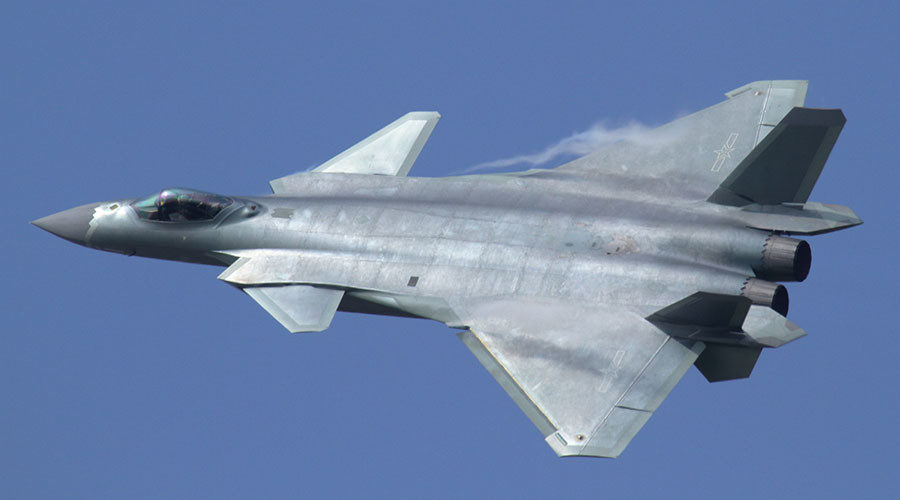
'Giant leap': China's 5th-gen stealth fighter enters service

Chinese Chengdu J-20 fighter jet
© Alert5 / Wikipedia
Months after unveiling its first fifth-generation J-20 fighter jet, China's People's Liberation Army announced that the advanced aircraft has entered service. The jet is meant to counter the US and its regional allies in a potential battle for air superiority.

The brief announcement on Friday made on state broadcaster CCTV's military and agricultural affairs channel said the J-20 had entered service in the People's Liberation Army Air Force (PLAAF). The report did not provide further details.

The announcement did not come as a big surprise; in November, the Chinese military demonstrated two J-20s during a pre-announced brief fly-past at the Zhuhai Air Show in Guangdong province, signaling that the aircraft was about to enter service.

Saturn

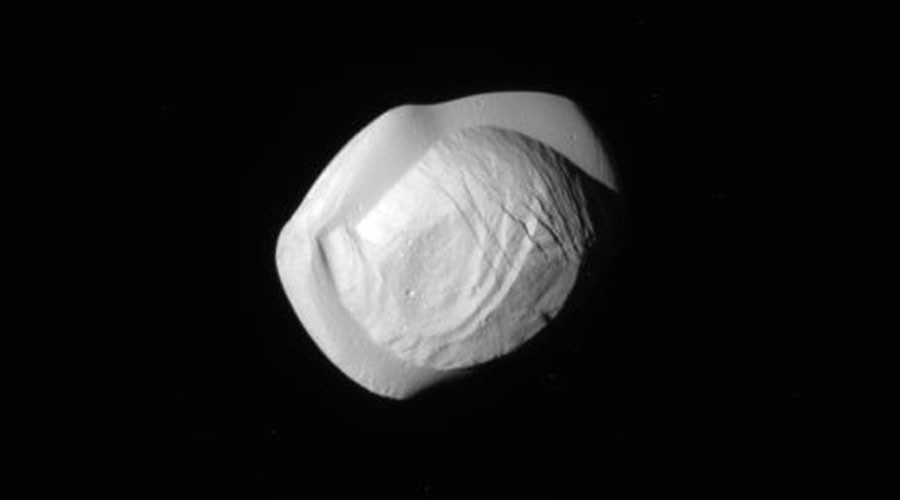
Saturn's moon Pan looks like lumpy flying saucer in closest-ever photos

Saturn’s moon Pan
© JPL / NASA
Newly released photographs of Pan, one of Saturn's moons, have revealed that the tiny satellite bears a striking resemblance to science fiction's imaginings of what an alien spacecraft looks like. That, or a giant piece of ravioli.

Cassini scientist Carolyn Porco took to Twitter to share some of the extraordinary new images snapped by the spacecraft. She also revealed some of the comparisons people were making about the tiny moon, which has a diameter of just 17 miles (28km).

"After 13 years, we've come to expect extreme reactions to our images. But hunger? Ravioli, tortellini, empanada, pierogi, hamburger, brie?" Porco said.

Robot

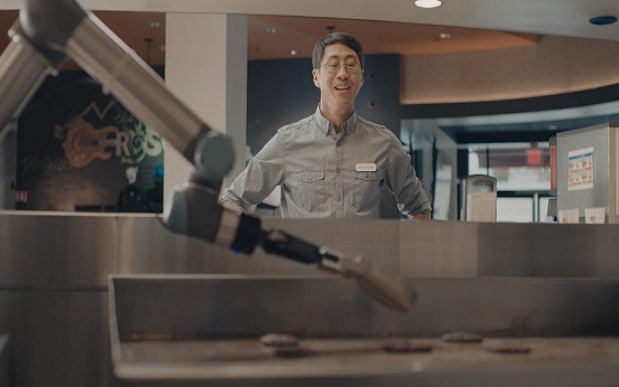
California restaurant installs burger-flipping robot replacing humans at the grill

robots restaurants, burger-flipping robot
A burger-flipping robot has just completed its first day on the job at a restaurant in California, replacing humans at the grill.

Flippy has mastered the art of cooking the perfect burger and has just started work at CaliBurger, a fast-food chain.

The robotic kitchen assistant, which its makers say can be installed in just five minutes, is the brainchild of Miso Robotics.

"Much like self-driving vehicles, our system continuously learns from its experiences to improve over time," said David Zito, chief executive officer of Miso Robotics.

Comment: Rise of the machines: Robots poised to replace 6% of jobs by 2021


Mars

NASA reveals unusual back to back storms engulfing Mars

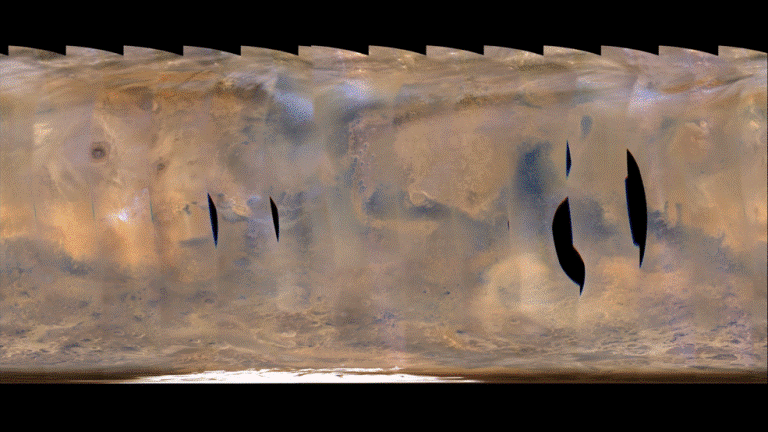
Storms on Mars
Still image of clip showing a global map of Mars with atmospheric changes from Feb. 18, 2017, through March 6, 2017, a period when two regional-scale dust storms appeared. It combines hundreds of images from the Mars Color Imager (MARCI) camera on NASA's Mars Reconnaissance Orbiter.
If you think the weather is bad on Earth, spare a thought for Mars.

NASA has revealed a stunning animation showing massive dust storms the size of America engulfing huge swathes of northern Mars.

The summer storms 'explode' in size, NASA says - and some can engulf the entire planet.

The latest images show the regional dust storm currently swelling on Mars follows unusually closely on one that blossomed less than two weeks earlier and is now dissipating.

Images from the orbiter's wide-angle Mars Color Imager (MARCI) show each storm growing in the Acidalia area of northern Mars, then blowing southward and exploding to sizes bigger than the United States after reaching the southern hemisphere.

'What's unusual is we're seeing a second one so soon after the first one,' said Mars meteorologist Bruce Cantor of Malin Space Science Systems, San Diego, which built and operates MARCI.

'We've had orbiters watching weather patterns on Mars continuously for nearly two decades now, and many patterns are getting predictable, but just when we think we have Mars figured out, it throws us another surprise.'

Video clip here

Magnify

IBM research: Storing data on a single atom becoming possible

an atom
© PinterestAtom: The itsy, bitsy bit storage device
Scientists at IBM have proven that they can encode computer code on a single atom. As the digital universe is expected to hit 44 trillion gigabytes by 2020, scientists are grabbling with the twin problem of computer data's limited lifespan when it is normally stored on a hard drive and running out storage devices.

Atoms are the smallest unit of matter that can be reliably manipulated and expected to remain stable. IBM's research means that storing data digitally on atoms could advance storage capacity on a molecular level.


Comment: There are between1078 to 1082 atoms in the known, observable universe. In layman's terms, that works out to between ten quadrillion vigintillion and one-hundred thousand quadrillion vigintillion atoms. If we can store our data on an atom...best not to lose it.