Science & TechnologyS


Saturn

NASA's Cassini detects heat of ocean on Saturn moon Enceladus

Bluish
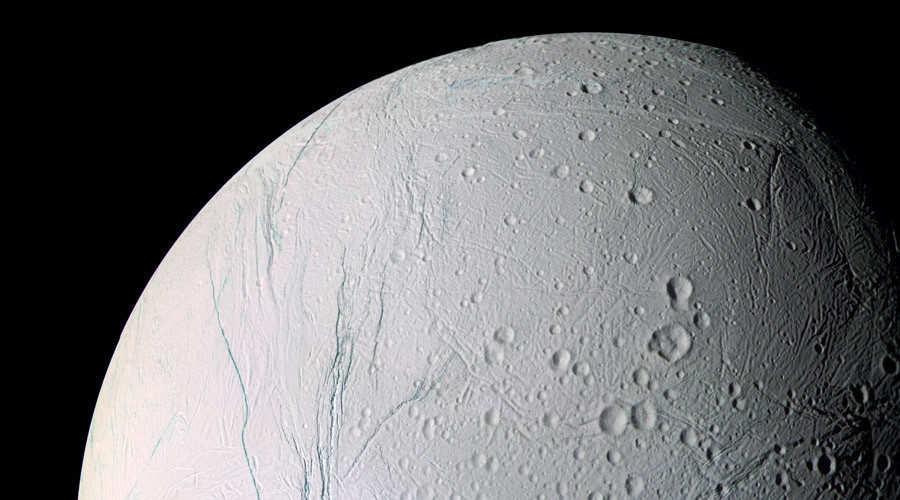
© NASA / JPL-Caltech / Space Science Institute Bluish "tiger stripe" fractures can be seen ripping across Enceladus' south polar region.
Data from NASA's Cassini spacecraft revealed evidence of heat close to the surface of Saturn's moon Enceladus. The latest discovery shows the moon as being warmer than expected with an ocean of water closer to the surface than previously believed.

The excessive heat is prominent in fractures in the moon's south pole, known as "tiger stripes," dormant venting fractures as seen in an image of the planet taken by Cassini. A study published in the journal Nature of microwave radiometry observations by Cassini of the stripes revealed a heating in temperature a few meters below the surface.

The results indicate an ocean of liquid water believed to be beneath Enceladus' surface may be at a depth of a mere couple of miles, closer than previously believed.

Question

Auroras affect sat-nav systems due to unknown mechanism

Aurora borealis
© Frank Olsen, NorwayThe aurora borealis.
The leading hypothesis used to explain why the aurora borealis and its southern hemisphere counterpart, the aurora australis, play havoc with global positioning systems has been knocked into a cocked hat.

The spectacular auroras are produced when gas particles in the earth's atmosphere collide with charged particles emitted by the sun. The resulting plasma turbulence has long been assumed to be the reason that the phenomena interfere with Global Navigation Satellite Systems (GNSS). Now, research led by Biagio Forte of the Department of Electronic and Electrical Engineering at the University of Bath in the UK has discovered that the predicted turbulence doesn't actually exist, meaning that an as yet unknown driver is causing the problem.

To conduct the research Forte's team collaborated with the European Incoherent Scatter Scientific Association (EISCAT), setting up in northern Norway to observe and analyse the aurora borealis using radar and a GNSS receiver. As the radar team developed visual imagery of the phenomenon, the GNSS team looked at how it interacted with global positioning systems.

Ambulance

DARPA aims to develop platform to stop spread of pandemic in 60 days

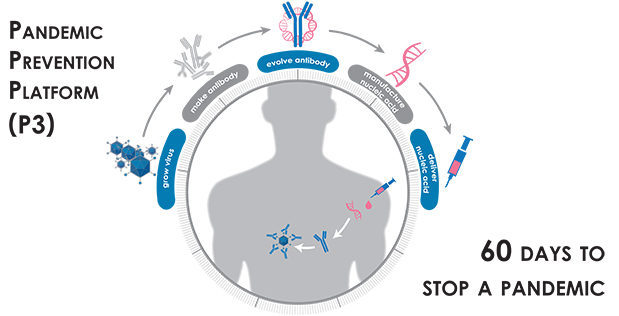
Pandemic Prevention Platform (P3)
© darpa.mil
Over the past several years, DARPA-funded researchers have pioneered RNA vaccine technology, a medical countermeasure against infectious diseases that uses coded genetic constructs to stimulate production of viral proteins in the body, which in turn can trigger a protective antibody response. As a follow-on effort, DARPA funded research into genetic constructs that can directly stimulate production of antibodies in the body.1,2

DARPA is now launching the Pandemic Prevention Platform (P3) program, aimed at developing that foundational work into an entire system capable of halting the spread of any viral disease outbreak before it can escalate to pandemic status. Such a capability would offer a stark contrast to the state of the art for developing and deploying traditional vaccines—a process that does not deliver treatments to patients until months, years, or even decades after a viral threat emerges.

"DARPA's goal is to create a technology platform that can place a protective treatment into health providers' hands within 60 days of a pathogen being identified, and have that treatment induce protection in patients within three days of administration. We need to be able to move at this speed considering how quickly outbreaks can get out of control," said Matt Hepburn, the P3 Program Manager. "The technology needs to work on any viral disease, whether it's one humans have faced before or not."

Recent outbreaks of viral infectious diseases such as Zika, H1N1 influenza, and Ebola have cast into sharp relief the inability of the global health system to rapidly contain the spread of a disease using existing tools and procedures. State-of-the-art medical countermeasures typically take many months or even years to develop, produce, distribute, and administer. These solutions often arrive too late—if at all—and in quantities too small to respond to emerging threats. In contrast, the envisioned P3 platform would cut response time to weeks and stay within the window of relevance for containing an outbreak.

Beaker

Transposable genetic elements could put evolutionary theory into question

monkey
© Charles J SharpJumping proboscis monkey
Transposable elements just don't make sense. These so-called "jumping genes" are segments of junk DNA that insert themselves at random in our genomes. That is the evolutionary interpretation of these genetic units, but how and why do they move about, and why don't they wreak havoc on the genome?

The answers to these questions, which have been emerging in recent years, is that transposable elements are exquisite, finely tuned, highly functional molecular machines that contradict evolutionary expectations. Evolutionists have a long, failed history of presumed dis-utility — after all, the world arose by chance, surely it doesn't work very well — and transposable elements are just one more example of this failed prediction. But the junk-to-hero story is only one of three ways that transposable elements utterly demolish evolutionary theory. The other two prongs in this Darwin-destroying triad are serendipity and pattern.

By serendipity, I am referring to the rather awkward findings, which are undeniable at this point, that if evolution is true, then it must have come about by highly complex, non-adaptive, mechanisms. From diploid genetics to horizontal gene transfer, alternate gene splicing, genetic regulation, epigenetics, mechanisms that cause adaptive mutations, and transposable elements, evolution must have bumbled along by luckily constructing fantastically complex mechanisms. Those mechanisms would provide no immediate adaptive value, yet somehow would persist and become vital agents in evolutionary history. Simply put, evolution must have created evolution in a most unlikely (astronomically unlikely) set of circumstances. That's serendipity, not science, and transposable elements heap more fuel onto the fire.

Comment: Further reading


Frog

Found: First Fluorescent Frog

neon frog
© Shirl Theis Art Studio
Under normal light, the South American polka dot tree frog (Hypsiboas punctatus) sports a muted palette of greens, yellows and reds. But dim the lights and switch on ultraviolet illumination, and this little amphibian gives off a bright blue and green glow.

The ability to absorb light at short wavelengths and re-emit it at longer wavelengths is called fluorescence, and is rare in terrestrial animals. Until now, it was unheard of in amphibians. Researchers also report that the polka dot tree frog uses fluorescent molecules totally unlike those found in other animals. The team published the find on 13 March in Proceedings of the National Academy of Sciences.

Because fluorescence requires the absorption of light, it doesn't happen in total darkness. That makes it distinct from bioluminescence, in which organisms give off their own light generated through chemical reactions. Many ocean creatures fluoresce, including corals, fish, sharks and one species of sea turtle (the hawksbill turtle, Eretmochelys imbricata). On land, fluorescence was previously known only in parrots and some scorpions. It is unclear why animals have this ability, although explanations include communication, camouflage and mate attraction.


Better Earth

New simulator predicts behavior of tsunamis within ten minutes

tsunami model
© University of GrenadaTsunami
Researchers have created a simulator that predicts in less than 10 minutes the behavior of tsunamis generated by landslides. The system reduces the time spent in calculating different situations up to 60 percent. With this simulator, it is possible to immediately obtain information and thus facilitate more effective performance of authorities and rescue teams.

The numerical model developed by the researchers accurately predicts the effects of the wave and performs a simulation before the actual events in real life. The impact of a tsunami on the coast can range from 10 minutes to several hours from the time it occurs. The simulation takes between five and 10 minutes and provides information on the time it will take to land, the magnitude and height of the wave, the coastal penetration and the flood that it would cause, which allows researchers to anticipate the course of action that should be followed in each case.

Pi

Stimulating the bright minds of tomorrow: Russia kicks off high-tech and science week sharing knowledge of experts with students across the country

russian high-tech week
Some of the best minds in the science, high-tech and innovation spheres will be sharing their knowledge with over 300,000 school students as the annual Week of High Technologies kicks off all across Russia.

For an entire week, pupils and students across Russia's eleven time zones will focus their attention on picking the brains of leading Russian scientists, entrepreneurs and high-tech business leaders.

Most of the experts will represent the leading high-tech state corporations - including the Russian space agency Roskosmos, the Russian state atomic energy corporation Rosatom, and Rusnano tasked with commercializing developments in nanotechnology. All of them are scheduled to give lectures during the high-tech educational week.

The focal point for the VI National Week of High Technologies is the Sirius Educational Centre for Gifted Children in Sochi, specially set up to promote young Russians' talents. However, everything offered by the center this week will be aired and available to all Russian schools online.


Comet 2

New Comet: C/2017 E4 (LOVEJOY)

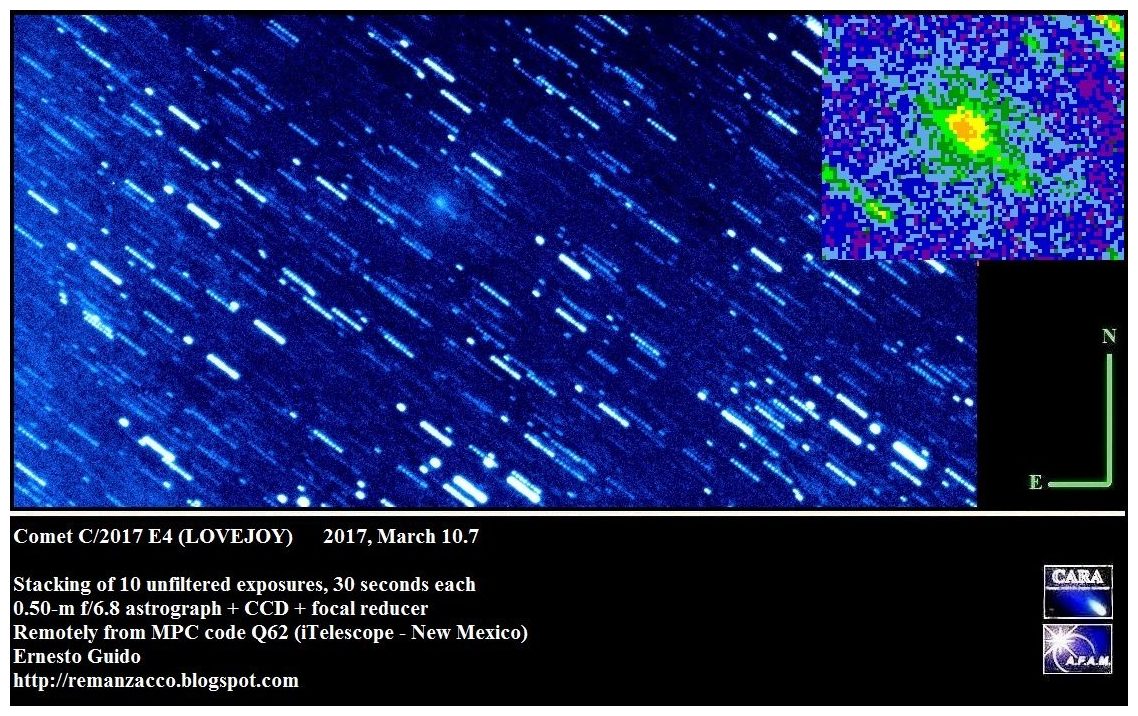
CBET nr. 4373, issued on 2017, March 13, announces the discovery of a comet (magnitude ~15) by Terry James Lovejoy on three CCD 8-s exposures taken five minutes apart starting on Mar. 9.684 UT with a Celestron C14 reflector operating at f/1.9 (+ QHY9 camera). The new comet has been designated C/2017 E4 (LOVEJOY).

I performed follow-up measurements of this object, while it was still on the neocp. Stacking of 10 unfiltered exposures, 30 seconds each, obtained remotely on 2017, March 10.7 from Q62 (iTelescope network) through a 0.50-m f/6.8 astrograph + CCD + focal reducer, shows that this object is a comet with a diffuse coma nearly 15 arcsec in diameter.

My confirmation image (click on it for a bigger version)
Comet Lovejoy C/2017
© Remanzacco Blogspot

Bulb

Scientists develop artificial retina that could restore vision to millions with retinal degeneration

artificial retina
The implant could be a turning point in the treatment of extremely debilitating retinal diseases."
Scientists have developed a retinal implant that can restore lost vision in rats, and are planning to trial the procedure in humans later this year.

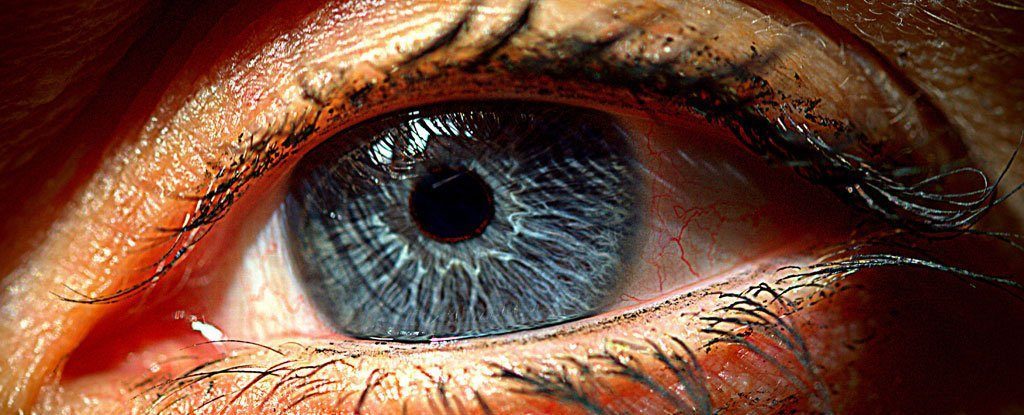
The implant, which converts light into an electrical signal that stimulates retinal neurons, could give hope to millions who experience retinal degeneration - including retinitis pigmentosa - in which photoreceptor cells in the eye begin to break down, leading to blindness.

The retina is located at the back of the eye, and is made up of millions of these light-sensitive photoreceptors. But mutations in any one of the 240 identified genes can lead to retinal degeneration, where these photoreceptor cells die off, even while the retinal neurons around them are unaffected.

Because the retinal nerves remain intact and functional, previous research has looked at treating retinitis pigmentosa with bionic eye devices that stimulate the neurons with lights, while other scientists have investigated using CRISPR gene editing to repair the mutations that cause blindness.

Now, a team led by the Italian Institute of Technology has developed a new approach, with a prosthesis implanted into the eye that serves as a working replacement for a damaged retina.

Brain

Our understanding of how brain cells function is flawed, says new research

neurons
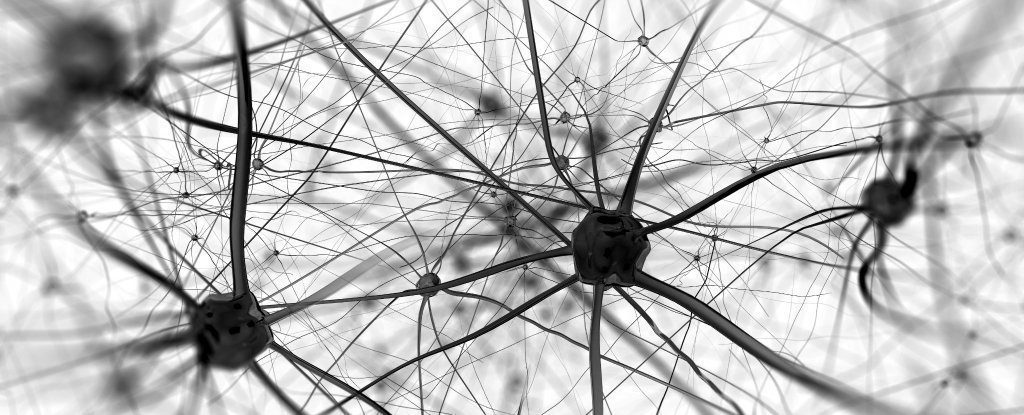
© Andrii Vodolazhskyi/Shutterstock.comOur neurons could be 10 times more active than we thought.
A new study has found evidence that a section of our neurons, called the dendrites, aren't the passive receivers we've always assumed them to be.

Instead, researchers have found that dendrites generate up to 10 times more electrical pulse spikes than parts of our brain cells called the soma, which until now were thought to be the main area to produce these electrical signals.

If verified, the study could change our understanding of neurons, and how the various parts of the human brain work together.

"Knowing [dendrites] are much more active than the soma fundamentally changes the nature of our understanding of how the brain computes information," said one of the team, Mayank Mehta, from the University of California, Los Angeles (UCLA).

"It may pave the way for understanding and treating neurological disorders, and for developing brain-like computers."