Science & TechnologyS


Robot

UK government to invest millions in 'truly groundbreaking' self-driving car tech

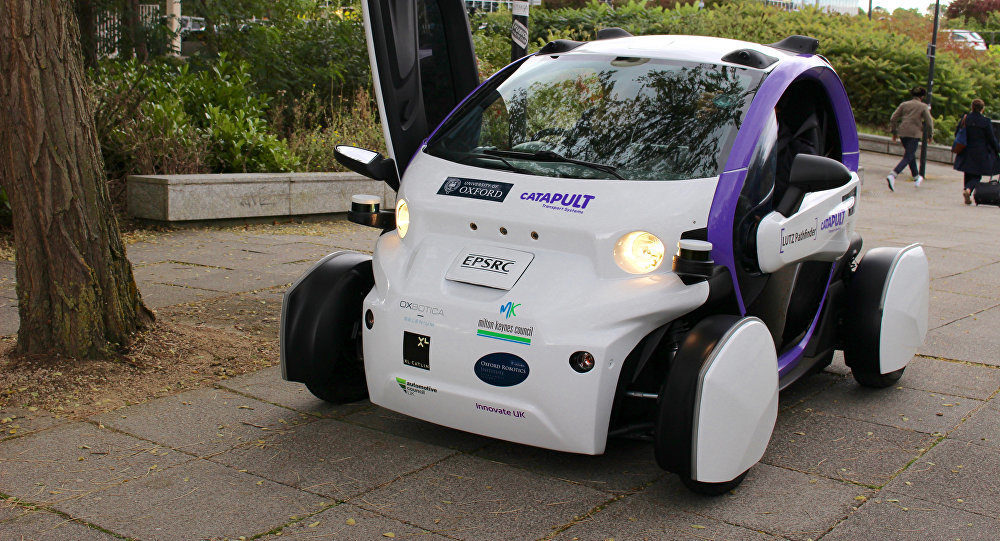
Oxbotica driverless car
© Oxbotica
Driverless cars are about to get a huge financial boost in the UK, as a group of technology companies, researchers and authorities such as Transport for London (TFL) have landed millions in funding from the government to get self-driving vehicles on Britain's roads.

Oxbotica, a UK tech company which spun off the Oxford Robotics Institute, will lead an ambitious 30-month program to get fully autonomous vehicles traveling between London and Oxford.

The UK public got their first extended trial of the driverless shuttlebus in March. As part of "Project Gateway", around 100 people traveled in a prototype shuttle on a route in Greenwich, London.

Monkey Wrench

The puppet masters of academia promoting GMOs and pesticides

The Puppetmasters of Academia
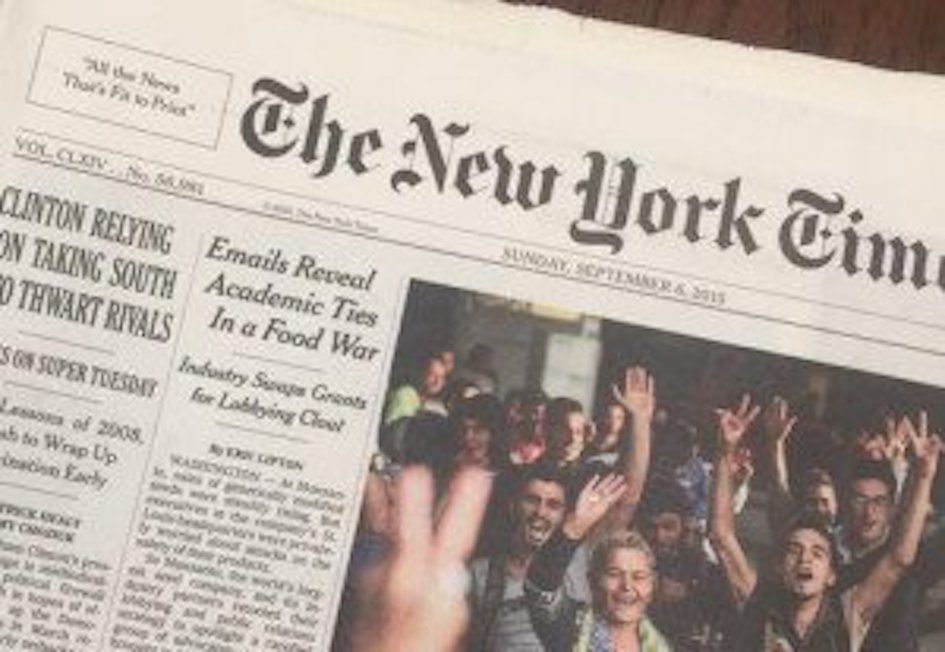
"Reading the emails make(s) me want to throw up" tweeted the Food Babe after reading a lengthy series of them posted online by the NY Times on Sept 5th. The emails in question result from a Freedom of Information Act (FOIA) request and are posted in the side bars of a front-page article by Times reporter Eric Lipton (Food Industry Enlisted Academics in G.M.O. Lobbying War, Emails Show). The article is highly disturbing, but, as the Food Babe implied, the Times buried the real story. The real scoop was not the perfidy and deceit of a handful of individual professors. Buried in the emails is proof positive of active collusion between the agribusiness and chemical industries, numerous and often prominent academics, PR companies, and key administrators of land grant universities for the purpose of promoting GMOs and pesticides. In particular, nowhere does the Times note that one of the chief colluders was none other than the President of the American Association for the Advancement of Science (AAAS).

All this is omitted entirely, or buried in hard-to-notice side bars, which are anyway unavailable to print readers. So, here is the article Eric Lipton should have written.

Rose

Naked mole-rats 'turn into plants' when deprived of oxygen

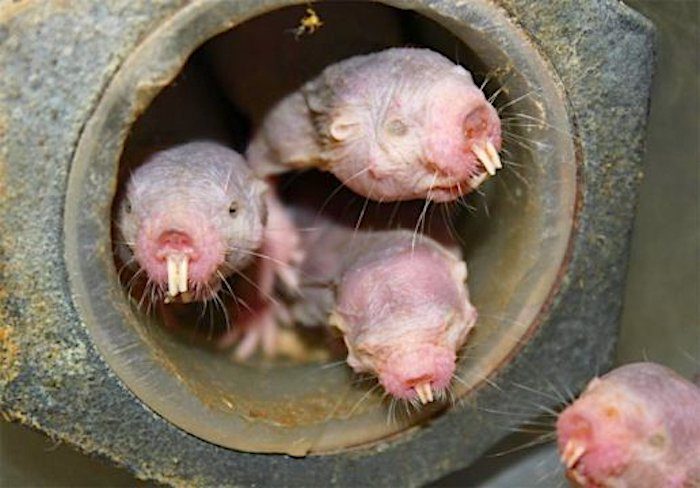
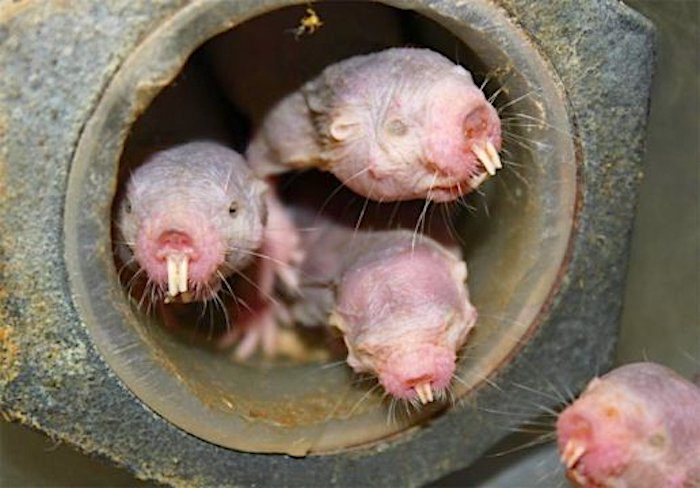
Naked mole-rats
© Thomas Park/UICNaked Mole-Rats - they're plants, well, sort of.
Deprived of oxygen, naked mole-rats can survive by metabolizing fructose just as plants do. Understanding how the animals do this could lead to treatments for patients suffering crises of oxygen deprivation, as in heart attacks and strokes.

"This is just the latest remarkable discovery about the naked mole-rat -- a cold-blooded mammal that lives decades longer than other rodents, rarely gets cancer, and doesn't feel many types of pain," says Thomas Park, professor of biological sciences at the University of Illinois at Chicago, who led an international team of researchers from UIC, the Max Delbrück Institute in Berlin and the University of Pretoria in South Africa on the study.

In humans, laboratory mice, and all other known mammals, when brain cells are starved of oxygen they run out of energy and begin to die. But naked mole-rats have a backup: their brain cells start burning fructose, which produces energy anaerobically through a metabolic pathway that is only used by plants -- or so scientists thought.

In the new study, the researchers exposed naked mole-rats to low oxygen conditions in the laboratory and found that they released large amounts of fructose into the bloodstream. The fructose, the scientists found, was transported into brain cells by molecular fructose pumps that in all other mammals are found only on cells of the intestine. "The naked mole-rat has simply rearranged some basic building-blocks of metabolism to make it super-tolerant to low oxygen conditions," said Park, who has studied the strange species for 18 years.

Black Cat 2

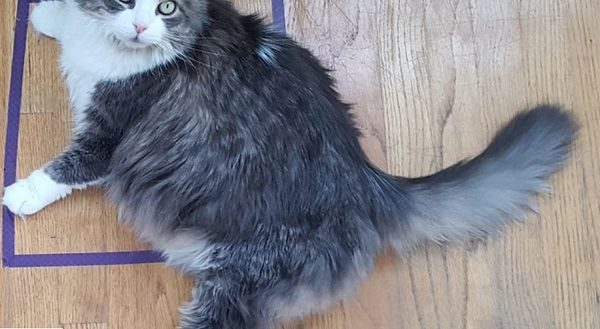
If they don't have a cardboard box, cats will settle for a square drawn on the floor

cat in a square
© Maggie Villiger, CC BY-NDNext best thing to a hidey-hole box?
Twitter's been on fire with people amazed by cats that seem compelled to park themselves in squares of tape marked out on the floor. These felines appear powerless to resist the call of the #CatSquare.

This social media fascination is a variation on a question I heard over and over as a panelist on Animal Planet's "America's Cutest Pets" series. I was asked to watch video after video of cats climbing into cardboard boxes, suitcases, sinks, plastic storage bins, cupboards and even wide-necked flower vases.

"That's so cute ... but why do you think she does that?" was always the question. It was as if each climbing or squeezing incident had a completely different explanation.

It did not. It's just a fact of life that cats like to squeeze into small spaces where they feel much safer and more secure. Instead of being exposed to the clamor and possible danger of wide open spaces, cats prefer to huddle in smaller, more clearly delineated areas.

Info

Bilingualism in children develops concurrently but independently

Children
© Shutterstock
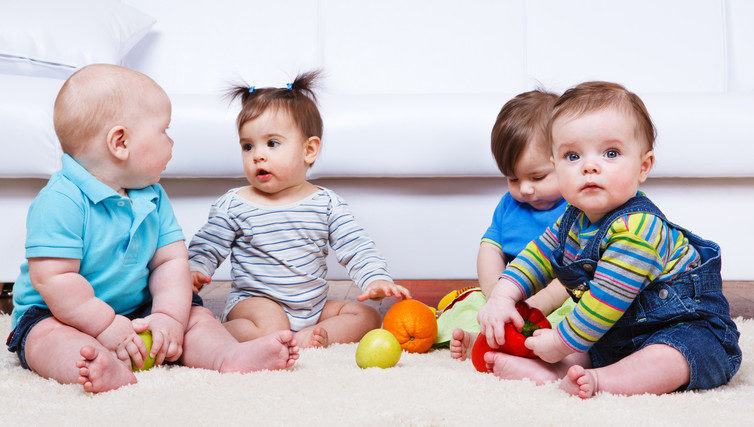
When children learn two languages from birth each language proceeds on its own independent course, at a rate that reflects the quality of the children's exposure to each language. This is the finding of a new study of Spanish-English bilingual children by researchers at Florida Atlantic University.

Additionally, the study finds that Spanish skills become vulnerable as children's English skills develop, but English is not vulnerable to being taken over by Spanish.

In their longitudinal study data, the researchers found evidence that as the children developed stronger skills in English, their rates of Spanish growth declined. Spanish skills did not cause English growth to slow, so it's not a matter of necessary trade-offs between two languages.

Lead author Erika Hoff, Ph.D., psychology professor in FAU's Charles E. Schmidt College of Science, said:
"One well established fact about monolingual development is that the size of children's vocabularies and the grammatical complexity of their speech are strongly related. It turns out that this is true for each language in bilingual children. But vocabulary and grammar in one language are not related to vocabulary or grammar in the other language."

Frog

Flu viruses decimated by South Indian frog mucus

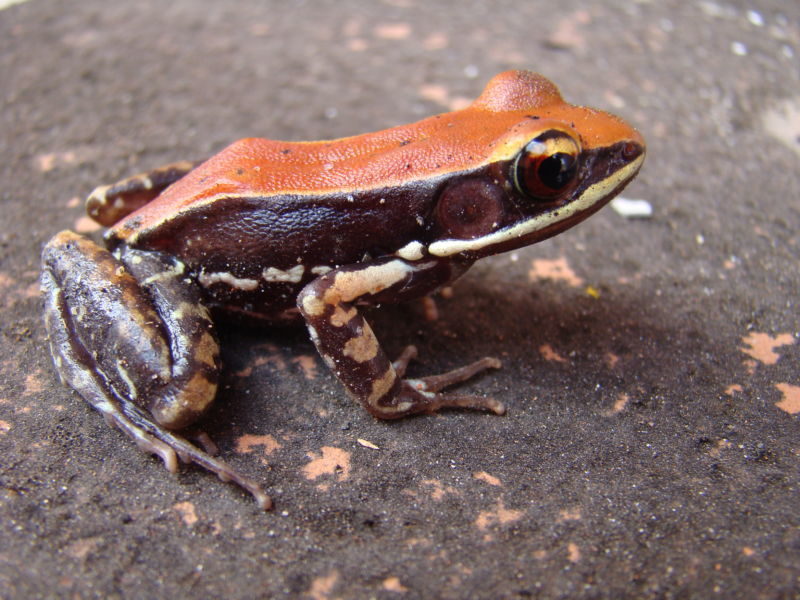
 Hydrophylax bahuvistara
Hydrophylax bahuvistara
From the slimy backs of a South Indian frog comes a new way to blast influenza viruses.

A compound in the frog's mucus—long known to have germ-killing properties—can latch onto flu virus particles and cause them to burst apart, researchers report in Immunity. The peptide is a potent and precise killer, able to demolish a whole class of flu viruses while leaving other viruses and cells unharmed. But scientists don't know exactly how it pulls off the viral eviscerations. No other antiviral peptide of its ilk seems to work the same way.

The study authors, led by researchers at Emory University, note that the peptide appears uniquely nontoxic—something that can't be said of many other frog-based compounds. Thus, the peptide on its own holds promise of being a potential therapy someday. But simply figuring out how it works could move researchers closer to a vaccine or therapy that could take out all flus, ditching the need for yearly vaccinations for each season's flavor of flu.

With those annual waves of flu, the occasional pandemic, plus the rise of drug-resistant varieties of flu, "there is a pressing need to develop new antivirals" the authors write. They're hopeful that their new peptide may be just that.

Info

New atmospheric phenomenon discovered by SWARM satellites

Steve
© Dave Markel Photography Thanks to scientists, citizen scientists, ground-based imagers and ESA’s magnetic field Swarm mission, this purple streak of light in the night sky has been discovered. Originally thought to be a ‘proton arc’, this strange feature has been called Steve.
Thanks to social media and the power of citizen scientists chasing the northern lights, a new feature was discovered recently. Nobody knew what this strange ribbon of purple light was, so ... it was called Steve.

ESA's Swarm magnetic field mission has now also met Steve and is helping to understand the nature of this new-found feature.

Speaking at the recent Swarm science meeting in Canada, Eric Donovan from the University of Calgary explained how this new finding couldn't have happened 20 years ago when he started to study the aurora.

While the shimmering, eerie, light display of auroras might be beautiful and captivating, they are also a visual reminder that Earth is connected electrically to the Sun. A better understanding of the aurora helps to understand more about the relationship between Earth's magnetic field and the charged atomic particles streaming from the Sun as the solar wind.

"In 1997 we had just one all-sky imager in North America to observe the aurora borealis from the ground," said Prof. Donovan.

Brain

Elon Musk's new startup aims to merge human brains with computers in order to engage in consensual telepathy

Tesla Motors CEO Elon Musk
© Reuters / Rebecca CookElon Musk
Billionaire entrepreneur Elon Musk on Thursday confirmed plans for his newest company, called Neuralink Corp., revealing he will be the chief executive of a startup that aims to merge computers with brains so humans could one day engage in "consensual telepathy."

Speaking to writer Tim Urban on the explainer website Wait But Why, Mr. Musk confirmed a Wall Street Journal report last month that Neuralink aims to implant tiny brain electrodes that first would be used to fight brain conditions but later help humanity avoid subjugation at the hands of intelligent machines.

A Neuralink spokesman said Mr. Musk plans to serve as the chief executive, adding another CEO role to his already busy schedule running electric-car maker Tesla Inc. TSLA -0.99% and rocket company Space Exploration Technologies Corp. Mr. Musk couldn't be reached for comment through the spokesman.

Neuralink's goals are arguably bolder than Tesla's plans of mass-market electric vehicles or SpaceX's ambitions to send humans to Mars. As Mr. Musk describes it, Neuralink wants to develop brain interfaces that would effectively replace human language as we know it.

Microscope 1

The past lives on: Scientists observed epigenetic memories being passed down for 14 generations

epigenetics
The most important set of genetic instructions we all get comes from our DNA, passed down through generations. But the environment we live in can make genetic changes, too.

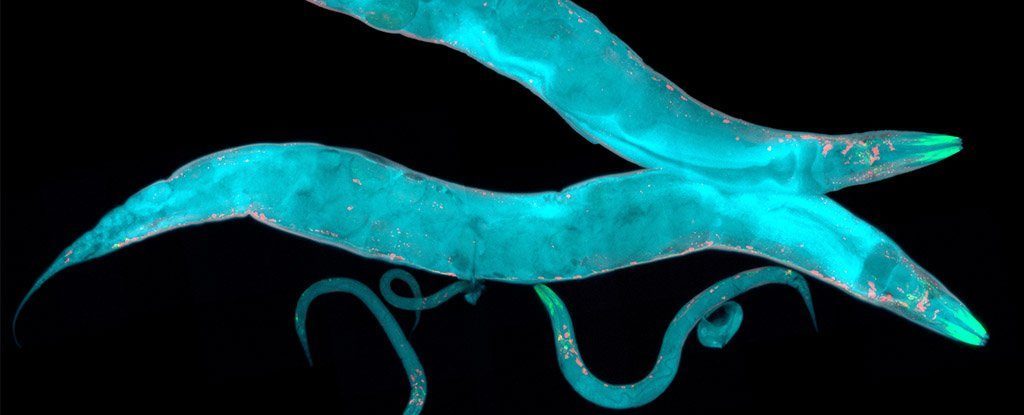
Researchers have now discovered that these kinds of environmental genetic changes can be passed down for a whopping 14 generations in an animal - the largest span ever observed in a creature, in this case being a dynasty of C. elegans nematodes (roundworms).

To study how long the environment can leave a mark on genetic expression, a team led by scientists from the European Molecular Biology Organisation (EMBO) in Spain took genetically engineered nematode worms that carry a transgene for a fluorescent protein. When activated, this gene made the worms glow under ultraviolet light.

Then, they switched things up for the nematodes by changing the temperature of their containers. When the team kept nematodes at 20° Celsius (68° F), they measured low activity of the transgene - which meant the worms hardly glowed at all.

But by moving the worms to a warmer climate of 25° C (77° F), they suddenly lit up like little wormy Christmas trees, which meant the fluorescence gene had become much more active.

Beaker

Researchers' proposal may triple complexity of genetic code

DNA helix
© lisichik/Pixabay
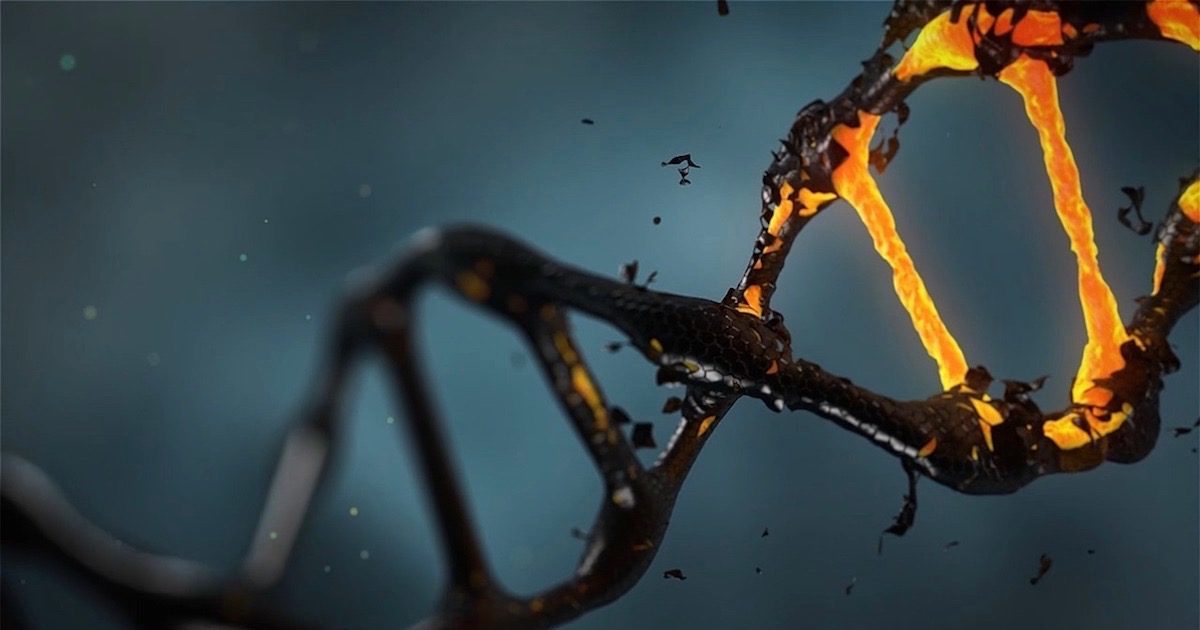
A codon is a triplet of three nucleotides in DNA. Genes are read in these triplet codons, each one standing for an amino acid or a "punctuation" mark as the gene gets translated (61 of the 64 possible triplets actually code for amino acids; the others work as "start" and "stop" codons). This much we've known since the 1960s. Now, however, two scientists from the University of Utah want to complicate matters further.

An article at Phys.org explains:
The so-called central dogma of molecular biology states the process for turning genetic information into proteins that cells can use. "DNA makes RNA," the dogma says, "and RNA makes protein." Each protein is made of a series of amino acids, and each amino acid is coded for by sets of "triplets," which are sets of three informational DNA units, in the genetic code.

University of Utah biologists now suggest that connecting amino acids to make proteins in ribosomes, the cell's protein factories, may in fact be influenced by sets of three triplets - a "triplet of triplets" that provide crucial context for the ribosome. [Emphasis added.]
It sounds like a wild idea, but it was just published in the Proceedings of the National Academy of Sciences. What could be the impact of this "Case for the genetic code as a triplet of triplets"?